

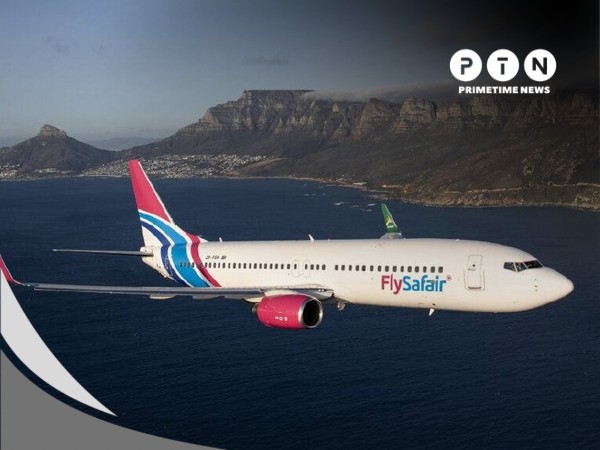
On 11 November 2022 a routine tow at OR Tambo International Airport turned chaotic when an Airbus A320, being moved by SAA Technical staff, broke free from its tug and slammed into a Safair‑operated Boeing 737‑800. The impact left the Boeing grounded for weeks, forced the cancellation of dozens of scheduled flights and prompted Safair to seek R21 million in damages.
What happened on the tarmac?
According to the summons filed in the Johannesburg High Court, the Airbus was under the control of a tug operated by employee Y Rocker. While the aircraft was being pulled, the shear pin that secures the tow‑rope snapped, allowing the A320 to veer off its intended path. The pilot in the cockpit, L Gumede, was reportedly “riding the brakes” at the time.
Rocker managed to move the tug clear of the way and shouted warnings, but Gumede allegedly failed to notice the danger until the Airbus collided with the Safair Boeing. The collision caused structural damage to the 737‑800, rendering it unairworthy until extensive repairs could be completed.
Safair’s damage claim and financial impact
Safair argues that the loss of the aircraft went far beyond the cost of repairs. The airline had scheduled the Boeing for domestic services between 1 December and 22 December 2022, a period that would have seen the plane operate six sectors per day – a total of 132 flight legs. Each sector could carry up to 189 passengers, meaning the aircraft could have offered 24 948 seats during that window.
Based on Safair’s average load factor for the season, the airline estimates it would have sold roughly 24 070 of those seats. The resulting loss of revenue, combined with the cost of canceling airport slots and compensating affected passengers, has been calculated at R21.1 million. This figure forms the basis of the claim lodged on 2 September 2023.
Legal arguments and duty of care
Safair’s case rests on the allegation that Gumede, as an employee of SAA Technical, breached a duty of care owed to neighbouring aircraft. The airline contends that a reasonable pilot would have maintained a vigilant lookout, communicated with the tug operator and applied the aircraft’s brakes promptly when the shear pin failed.
In the filing, Safair states that Gumede “failed to maintain proper control of the A320; failed to apply the brakes in a timely manner; and failed to respond to Rocker’s attempts to attract his attention.” By neglecting these precautions, the pilot allegedly caused the collision that led to the Boeing’s damage and the subsequent loss of profit.
The claim also highlights the broader responsibility of SAA Technical to ensure that its staff are adequately trained and that equipment such as shear pins are regularly inspected. If the pin had been in good condition, the tow might have proceeded without incident.
Potential resolution and next steps
While Safair has taken the matter to court, the airline has signalled a willingness to settle the dispute out of trial. In a Rule 41A notice filed alongside the summons, Safair expressed confidence that mediation could bring a mutually acceptable agreement, referencing earlier settlement talks that had not succeeded.
SAA Technical has not yet entered a formal plea, meaning the specific points of contention remain untested in court. The High Court will give the respondent an opportunity to file a defence, after which a hearing date will be set.
Industry observers note that the case underscores the financial vulnerability of smaller carriers when operational mishaps affect a single aircraft. A Boeing 737‑800 represents a significant portion of Safair’s domestic capacity, and any prolonged outage can quickly erode profitability.
For readers interested in how courts handle aviation‑related disputes, the detailed report on the collision offers additional context about the legal strategies employed by both parties.
Safair’s claim also arrives amid a series of high‑profile aviation incidents in South Africa, reminding operators that robust safety protocols and clear communication are essential on busy airport ramps. As the case proceeds, the outcome may set a precedent for how ground‑handling negligence is quantified in terms of lost revenue and passenger impact.
In related legal news, the Boksburg court case also highlights the South African judiciary’s role in adjudicating complex civil disputes.