

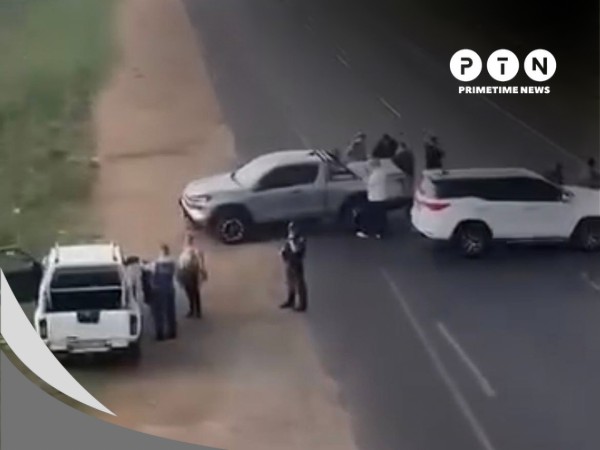
On a quiet morning in Pretoria, a violent confrontation erupted between law‑enforcement officers and a group of men suspected of orchestrating a cash‑in‑transit (CIT) heist. Gauteng Police spokesperson Dimakatso Nevhuhulwi confirmed that three of the alleged robbers were shot dead after an exchange of gunfire, while a fourth suspect was taken into custody and several firearms were recovered at the scene.
The Incident Unfolds
The clash took place near the central business district, an area that frequently sees armored‑vehicle movements delivering cash to banks and retail outlets. According to ENCA’s coverage of the event, officers were alerted to a suspicious vehicle that matched the description of a CIT truck that had reportedly been targeted earlier that week. When police approached, the suspects opened fire, prompting a rapid escalation.
Witnesses described the sound of automatic weapons echoing through the streets, a stark reminder of the risks faced by both the security personnel guarding valuable consignments and the civilians who happen to be nearby. The firefight lasted only a few minutes, but the intensity was enough to result in three fatalities among the suspects. One individual survived the encounter, surrendered, and was subsequently arrested.
Police Response and Tactical Details
Gauteng police have a specialised unit – the Special Task Force (STF) – trained to intervene in high‑risk armed confrontations. Nevhuhulwi indicated that the STF was deployed after the initial report, employing standard operating procedures that prioritize the containment of fire and the preservation of public safety. The recovered weapons included two semi‑automatic pistols and an assault rifle, suggesting the gang was heavily armed and prepared for a violent showdown.
Following the incident, a forensic sweep of the area was conducted to collect ballistic evidence. This evidence will be crucial in court to link the seized firearms to previous CIT robbery attempts that have plagued Gauteng in recent months. Police also announced that they are reviewing surveillance footage from nearby businesses and traffic cameras to piece together the suspects’ movements before and after the shoot‑out.
Implications for Cash‑in‑Transit Security
The fatal encounter highlights the growing vulnerability of the CIT sector in South Africa. Over the past year, the Financial Intelligence Centre has reported a 12% rise in attempts to hijack armored‑vehicle convoys, prompting industry leaders to call for tighter security protocols. Experts argue that the proliferation of high‑capacity firearms among criminal networks has outpaced the defensive capabilities of many private security firms that traditionally guard these transports.
In response, several CIT companies are exploring the integration of GPS‑enabled tracking devices on their vehicles, as well as the deployment of armed response teams that can react within minutes of an alarm. Additionally, there is a push for greater collaboration between the private security industry and the South African Police Service (SAPS), ensuring that intelligence about planned robberies is shared swiftly.
Broader Context: Crime, Economy, and Community Initiatives
While the Pretoria shoot‑out underscores the immediate dangers of organized crime, it also sits within a larger socio‑economic narrative. High unemployment rates, especially among youth in townships surrounding Gauteng’s urban centres, have been linked to the rise in sophisticated robbery rings. Governmental programmes aimed at job creation and entrepreneurship are seen as long‑term solutions to curb the allure of illicit activity.
One such initiative is the R1bn fund launched to boost Black businesses and jobs, which seeks to channel significant capital into small‑scale enterprises, fostering economic empowerment and reducing the pool of potential recruits for criminal outfits. By supporting legitimate income‑generating ventures, the fund aims to address some of the root causes that drive individuals toward high‑risk crimes like CIT robbery.
Community leaders in Pretoria have also called for increased neighbourhood watch programmes and better lighting in high‑traffic corridors, measures that can deter opportunistic attacks on armored vehicles. The combination of robust policing, technological upgrades, and socio‑economic development is widely regarded as the most effective strategy to stem the tide of cash‑in‑transit crime.
As investigations continue, the police have pledged to keep the public informed about any further arrests or links to other unsolved robberies. The incident serves as a stark reminder of the delicate balance between maintaining security for financial assets and safeguarding the lives of citizens caught in the crossfire.