

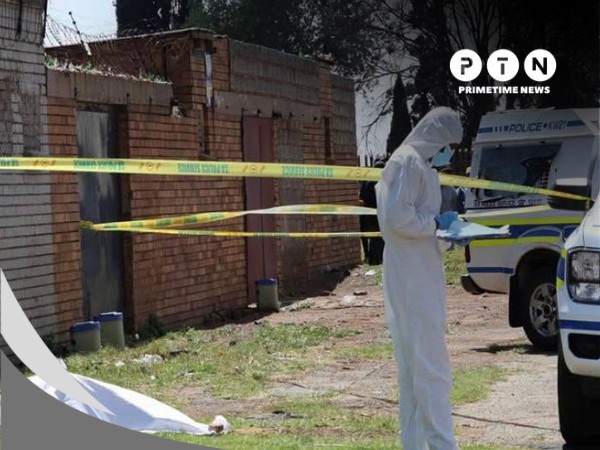
Gauteng Provincial Police Commissioner Tommy Mthombeni announced a significant development in the ongoing investigation of the Gauteng women murder cases. In a press briefing held in Johannesburg, the commissioner confirmed that three of the twelve cases, in which women’s bodies were discovered across Ekurhuleni, have now been solved.
Breakthroughs and Ongoing Leads
The solved cases involved meticulous work by specialised investigators, forensic analysts and an investigative psychologist. Mthombeni highlighted that the police have also pinpointed persons of interest in three additional cases centred in Kempton Park, and that teams are actively pursuing those leads.
“We have deployed experts in DNA analysis, forensic science and criminal psychology to ensure every piece of evidence is examined,” Mthombeni said. “This multidisciplinary approach is what allowed us to close three of the twelve cases.”
Unidentified Victims and Continuing Challenges
Despite the progress, three of the recovered bodies remain unidentified. The police are working with the National Forensic Pathology Service to extract DNA profiles that could match missing‑person reports. The unidentified victims underscore the difficulty of solving cases where families have not reported disappearances, a common issue in rural and peri‑urban areas.
Families of the victims have expressed both relief at the recent convictions and frustration over the lingering mysteries. Community leaders are urging anyone with information – even seemingly minor details – to come forward.
Reward Still on Offer
To encourage public cooperation, the Gauteng Provincial Police continue to offer a R400,000 reward for credible information that leads to the resolution of the remaining nine cases. The reward, announced at the start of the investigation, remains untouched, reflecting the police’s reliance on community assistance.
“We are grateful for the tips we have received so far, but we need more,” Mthombeni emphasized. “If you recognise any of the unidentified victims or have seen suspicious activity around the sites where the bodies were found, please contact the police.”
Broader Context: Violence Against Women in South Africa
These murders form part of a disturbing national trend. According to recent statistics from the South African Police Service, gender‑based violence has risen sharply over the past five years, with Gauteng recording one of the highest rates of female homicide. Experts attribute the surge to a combination of socioeconomic pressures, inadequate protective legislation, and gaps in law‑enforcement capacity.
Non‑governmental organisations such as the Women’s Legal Centre have called for stronger preventative measures, including community education programmes and faster judicial processing of gender‑based crimes. The recent successes in the Gauteng women murder cases are being hailed as a model for how specialised forensic resources can make a difference.
Related Crime Stories
While the province grapples with these murders, other high‑profile incidents continue to capture public attention. For instance, the Wynberg taxi ambush that left two dead highlighted the pervasive nature of violent crime across South Africa.
Authorities stress that each case, whether involving a taxi driver or a woman found in a remote field, requires a coordinated response that blends investigative rigor with community outreach.
As the investigation proceeds, Gauteng Police remain committed to delivering justice for all victims. The ongoing reward, the deployment of forensic specialists, and the identification of new suspects demonstrate a renewed focus on ending the cycle of violence that has plagued the province.