
South Africa has witnessed a spate of emergency incidents over the past week, ranging from traffic collisions involving children to violent attacks that left several injured. These events underscore the critical role of emergency responders and the urgent need for stronger safety measures across the country.
Vehicle collisions claim young lives
At 16:43 on a Tuesday afternoon, an 11‑year‑old boy was struck by a vehicle near Meadow Feeds and Kaap Agri in Paarl. The incident was reported to the DFW emergency control room, prompting a rapid response from responder B. Avobcvo, who was on patrol nearby. While awaiting additional medical support, the responder provided first aid and stabilised the child, illustrating the importance of on‑the‑spot emergency care.
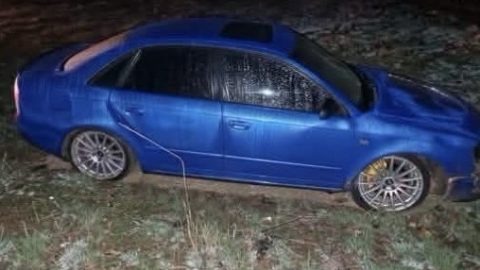
Just days earlier, a teen was left in a coma after a state car failed to stop at a road‑side robot, a tragic event documented by Arrive Alive’s coverage of the accident. That case, coupled with the Paarl incident, adds to South Africa’s alarming road‑traffic fatality statistics: the Road Traffic Management Corporation reports over 13,000 deaths annually, with children disproportionately affected.
These accidents have prompted the Retail Motor Industry Organisation (RMI) to call for stricter vehicle maintenance checks during Transport Month, reminding drivers that a well‑maintained car can be the difference between life and death.
Animal attacks raise safety concerns
In the Greenwood Park area of Isom Road, a woman suffered severe injuries after a dog attack on Tuesday morning. The incident was first noticed by Duane from Nettow Towing Service, who heard the victim’s screams and rushed to the scene. Emergency medical services from KwaZulu‑Natal’s VIP unit arrived promptly, but the woman’s condition remains serious.
South Africa’s stray‑dog population has been a growing public‑health issue. According to the National Department of Health, dog bites account for roughly 1,200 hospital admissions each year, many of which could be prevented through better animal control policies and public education on responsible pet ownership.
Violence on the road: gunfire and taxi incidents
Road‑related violence escalated in Amawoti, KwaZulu‑Natal, when a taxi driver and more than eight passengers were injured after their vehicle collided while attempting to flee an ongoing gunfight on Monday, 28 September 2026. The incident, reported to Reaction Unit South Africa (RUSA), highlights how criminal activity can spill over onto public thoroughfares, endangering innocent commuters.
Just weeks earlier, the nation mourned the victims of the Wedela tavern shooting, where the death toll rose to 18 as police continue to hunt eight gunmen. For a deeper look at that tragedy, see the Wedela tavern shooting coverage. Both events illustrate a disturbing trend: firearms are increasingly being used in public spaces, complicating the work of emergency services and law enforcement.
Authorities have responded by increasing patrols in high‑risk zones and encouraging citizens to report suspicious activity. Community‑police partnerships are now being formalised in several provinces to improve intelligence sharing and rapid response capabilities.
Police patrols and community cooperation
On a sunny Sunday morning at 06:45, a Fidelity ADT officer was conducting routine patrols along the Summerstrand beachfront when two civilians approached, seeking assistance in locating a suspect who had allegedly robbed two 15‑year‑old teenagers of a Samsung phone. The officer’s quick engagement with the public demonstrates how collaborative policing can lead to faster suspect identification and potentially prevent further crimes.
Such cooperation is essential, especially in areas where emergency resources are stretched thin. The South African Police Service (SAPS) has launched a new community‑alert app that allows residents to share real‑time information with officers, aiming to cut down response times and improve situational awareness.
Road safety focus during Transport Month
October marks Transport Month, a period when the RMI and other stakeholders spotlight road safety. While vehicle condition is a cornerstone of the campaign, experts argue that driver behaviour, infrastructure quality, and emergency response readiness are equally vital.
Recent data from the Department of Transport shows that 35 % of serious road crashes involve vehicles with faulty brakes, worn tyres, or defective lighting. The RMI’s call for regular inspections aligns with a broader governmental push to introduce mandatory annual safety checks for all commercial and private vehicles.
In addition to mechanical inspections, the campaign promotes defensive driving courses, especially for young drivers who are statistically more likely to be involved in accidents. Schools in Gauteng and the Western Cape have begun integrating road‑safety modules into their curricula, teaching students about hazard perception and the importance of wearing seatbelts.
Collectively, these initiatives aim to reduce the frequency of emergency incidents on South Africa’s roads, ensuring that fewer families have to endure the trauma of injury or loss.
As the nation grapples with a range of emergencies—from traffic collisions and animal attacks to violent crime—coordinated action between emergency services, law enforcement, and the public remains the most effective defence against further tragedy.