
South Africa’s political arena received a fresh jolt on Monday when the Eastern Cape High Court in Makhanda ruled that Julius Malema, the leader of the Economic Freedom Fighters (EFF), may appeal not only his five‑year sentence but also the conviction itself. The decision follows a protracted legal battle stemming from a rifle discharge at an EFF rally in Mdantsane in July 2018.
Background of the 2018 Mdantsane Rally
The incident in question took place during the EFF’s fifth‑anniversary celebration at Sisa Dukashe Stadium in the township of Mdantsane, Eastern Cape. Video footage captured Malema brandishing a rifle and firing a single shot into the air, an act he later claimed was a harmless prop. The rally, attended by thousands of supporters, turned into a high‑profile criminal case when the police identified the weapon as a real firearm loaded with live ammunition.
Details of the Conviction and Sentencing
In April 2025, Magistrate Twanet Olivier handed down a conviction on five separate firearm‑related charges: unlawful possession of a firearm, unlawful possession of ammunition, unlawful discharge of a firearm, failure to take reasonable precautions to avoid danger, and reckless endangerment. Olivier imposed an effective five‑year prison term – five years for the firearm charge, two years for the ammunition charge, and six‑month terms (with a R20 000 fine option) for the remaining three offences, all to run concurrently. The magistrate also declared Malema unfit to own any firearm in the future.
While Malema was granted leave to appeal the length of the sentence, his request to challenge the conviction was initially denied. His former bodyguard, Adriaan Snyman, who faced the same charges, was acquitted, a fact that added another layer of complexity to the case.
High Court Decision to Allow an Appeal of the Conviction
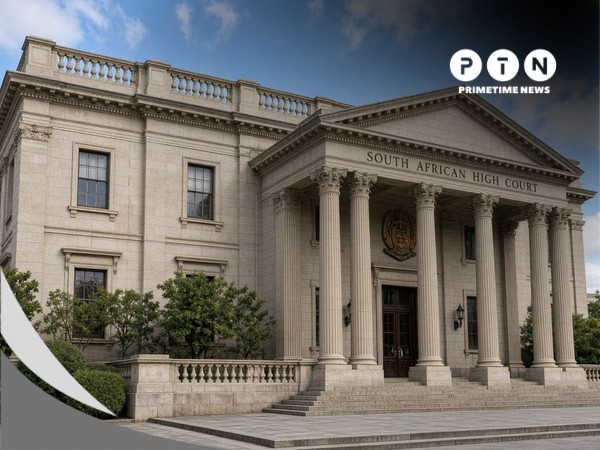
Malema appealed to the High Court, arguing that procedural irregularities and the denial of his earlier appeal right undermined his defence. The State opposed the application, insisting that the conviction was sound. After reviewing the submissions, the High Court concluded that “compelling reasons” existed to refer the matter to a Full Bench for a fresh hearing. As IOL reported, the court’s order effectively opens the door for Malema to contest both the conviction and the sentence.
Implications for Malema’s Parliamentary Position
The legal development carries significant political weight. South African law stipulates that any Member of Parliament sentenced to more than twelve months’ imprisonment without the option of a fine becomes automatically disqualified from serving in the National Assembly. Because Malema’s appeal is now pending, the disqualification clause will only take effect after all avenues of appeal are exhausted and a final judgment is rendered. Until then, he remains a sitting MP, though the uncertainty may affect the EFF’s strategic planning ahead of the next general election.
Broader Context: Firearm Legislation and Political Violence in South Africa
South Africa’s firearm regulations have long been a point of contention, especially among political leaders who argue that stricter controls infringe on constitutional rights, while civil society groups call for tougher enforcement to curb gun‑related violence. The Malema case underscores the delicate balance between political expression and public safety. It also highlights the judiciary’s role in interpreting the Firearms Control Act, which mandates rigorous licensing procedures and imposes severe penalties for unlawful possession.
In a climate where violent incidents involving public figures often dominate headlines, the legal outcome of Malema’s case could set a precedent for how political rallies are policed and how leaders are held accountable for weapon use. The ruling may also influence future legislative debates on amending firearm laws to address the unique challenges posed by political gatherings.
Meanwhile, South Africa continues to grapple with other violent crimes. In related news, an e‑hailing driver shot and left critical after an armed robbery near Bhambayi highlights the broader security concerns that affect everyday citizens across the country.
As the appeal process moves forward, observers will watch closely to see whether the High Court’s Full Bench will overturn the conviction, reduce the sentence, or uphold the original judgment. The final decision will not only shape Malema’s personal future but also send a clear message about the limits of political theatrics involving firearms in South Africa.