

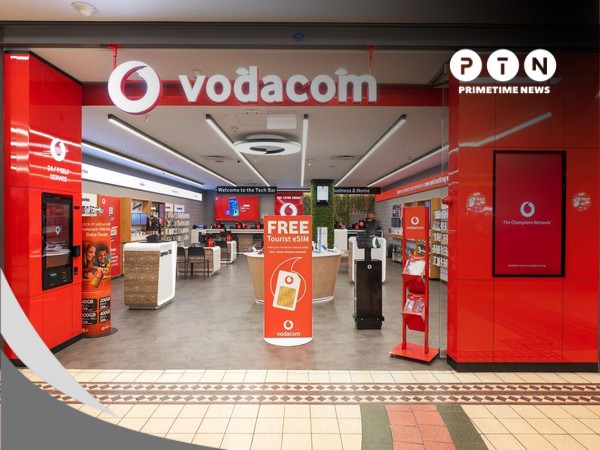
South Africa’s municipalities are undergoing a rapid transformation of their water and electricity services thanks to a coordinated push for smart utility modernisation. Central to this shift is Vodacom Business, which, through the National Treasury’s RT29‑2024 transversal contract, is supplying the connectivity, data platforms and analytics that enable municipalities to monitor, manage and protect essential utilities in real time.
The RT29‑2024 Contract and Its Strategic Objectives
The RT29‑2024 agreement, launched by the National Treasury, is a multi‑year framework designed to fast‑track the deployment of smart‑metering and digital water‑management solutions across the country’s local governments. Its twin goals are to improve service delivery – by reducing losses, illegal connections and billing errors – and to stimulate local economies through job creation. By the end of the 2026 financial year, the programme is on track to have generated roughly 650 positions, a noticeable rise from the 500 jobs recorded in the previous fiscal year.
Vodacom Business: The Digital Backbone
Vodacom Business supplies the Internet‑of‑Things (IoT) infrastructure that connects every meter to a cloud‑based analytics engine. Partner Ontec delivers the physical smart meters and the utility‑management software, while Macrocomm handles field implementation, community outreach and skills training. Together, the trio creates an end‑to‑end ecosystem where a water pipe or an electricity line can be monitored from a municipal control centre with the click of a mouse.
According to an industry report published in September 2026, the integration of Vodacom’s IoT platform has reduced data latency by up to 70 % compared with legacy SCADA systems, allowing municipalities to act on anomalies within minutes rather than hours.
On‑the‑Ground Impact: Case Studies from Across the Country
Sol Plaatje Local Municipality (Northern Cape) – In less than 80 days, more than 15,000 smart electricity meters were installed. The rapid rollout was supported by a team of about 85 local residents who received hands‑on training in meter installation and system maintenance, creating a skilled workforce that can be redeployed for future projects.
Naledi Local Municipality (North West) – Over 6,000 smart meters have been fitted, delivering a dramatic cut in electricity losses. Real‑time consumption monitoring identified illegal connections and tampering, driving the loss rate down from 26 % to the national benchmark of 5 %.
City of Tshwane – Vodacom’s water‑management dashboard now provides a live view of the entire distribution network. Early leak detection has already cut water wastage by an estimated 12 %, translating into significant cost savings for the municipality and preserving a scarce resource.
Other municipalities such as Mogale, Matzikama, Mbombela, Thabazimbi, Kgatleng and Buffalo City are also benefitting from the programme, each adding thousands of meters and gaining the analytical tools needed to optimise their utility grids.
Economic and Community Benefits Beyond the Meter
The smart‑meter roll‑outs are more than a technological upgrade; they are a catalyst for local economic participation. Residents hired for installation, data validation and system support acquire marketable technical skills, which can be leveraged for future ICT or renewable‑energy projects. Moreover, improved revenue protection – through accurate billing and reduced theft – strengthens municipal finances, allowing for reinvestment in infrastructure, schools and health clinics.
Community engagement is a core pillar of the RT29 model. Macrocomm’s outreach programmes ensure that households understand the benefits of smart meters, from transparent billing to quicker outage resolution. This transparency builds public trust, an essential factor in the long‑term success of any utility modernisation effort.
Future Outlook: Scaling the Digital Infrastructure
Vodacom Business’s director, Videsha Proothveerajh, emphasises that digital innovation is no longer optional for municipalities. “When we combine technology with community employment, we’re not just fixing infrastructure; we’re building local capacity and economic resilience,” she notes.
As more municipalities join the RT29‑2024 framework, the lessons learned from early adopters will inform a national blueprint for smart utility management. The expected outcomes include a unified data standard across provinces, enhanced predictive maintenance powered by AI, and the potential integration of renewable‑energy sources into municipal grids.
For readers interested in how public‑sector challenges intersect with community safety, the recent incident involving a Limpopo police sergeant illustrates the broader social context in which municipal services operate. Details can be found in the coverage of that case.
Overall, the partnership between Vodacom Business, Ontec and Macrocomm under the RT29‑2024 contract demonstrates a scalable, replicable model for smart utility modernisation that delivers tangible benefits to both municipalities and the citizens they serve.