
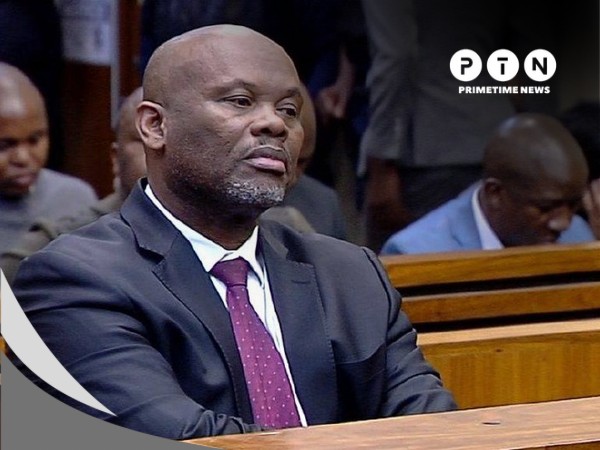
At a packed Randburg Magistrate’s Court on 1 October 2026, Deputy National Police Commissioner Lieutenant‑General Shadrack Sibiya, currently suspended, was confronted with accusations that he threatened the father of a 16‑year‑old girl. The alleged intimidation, combined with a string of grave sexual‑offence charges, has sparked a heated bail debate and drawn national attention to police misconduct in South Africa.
Alleged Threats During a Bail Application
Detective Sergeant Nokukhanya Ndlovu testified that the father – identified only as Mr M – is a former bodyguard of Sibiya. After Mr M lodged a criminal complaint, Ndlovu said Sibiya called him and warned, “What are you doing? It can take a minute to wipe you and your family out.” The officer also reportedly reminded the father that he had once bought food for him and described him as “easy to deal with” if anyone needed handling. Mr M interpreted the remarks as a direct threat, a claim that the prosecution is using to argue against bail.
Serious Sexual‑Grooming and Rape Allegations
The state has laid five charges against the 59‑year‑old official. Three counts allege sexual grooming of the 16‑year‑old, one charge accuses him of raping an 18‑year‑old woman, and a further count relates to human trafficking for alleged sexual exploitation of three victims. A separate firearm charge was added after police recovered a gun in his vehicle during a September 21 arrest at The Grand Club in Sandton.
According to the prosecution, between 20 July and 3 August 2026, Sibiya exchanged explicit WhatsApp messages with the teenager after her father supplied her contact details for transport. The messages allegedly turned sexual: Sibiya asked if the girl was sexually active, sent her nude photographs, demanded videos of her masturbating, and urged her not to tell anyone. The girl reportedly saved his number under the nickname “Ntate Sibiya.” The state says the evidence includes a multi‑minute explicit video that Sibiya praised and asked for more.
Sibiya denies any grooming, claiming the teenager’s father invited him to a braai, handed over an explicit video that originated from an unknown source, and told him his daughter had a crush on him. He maintains that no sexual relationship ever existed.
The rape charge concerns an incident on 16 May 2026, when Sibiya allegedly took the 18‑year‑old and a group of friends to a Sandton venue, supplied alcohol, and later assaulted the woman at a hotel while she was heavily intoxicated and unconscious. Witnesses are expected to testify that Sibiya made demeaning comments about the victim’s virginity after the alleged assault. While Sibiya admits to having sexual contact with the 18‑year‑old, he insists it was consensual and that the women were intoxicated but not incapacitated.
Intimidation, Witness Protection, and Ongoing Investigations
Beyond the alleged threats to Mr M, the prosecution highlighted a pattern of intimidation. On 19 September, a caller pretending to be the investigating officer phoned Mr M to inquire whether he had opened the case. Later, a police officer described as close to Sibiya asked, “Are you going to stand for what you have started?” A recording presented in court also captured Bishop Azwihangwi Maumela – a known ally of Sibiya – urging Mr M to meet the 18‑year‑old complainant, after previously stating, “we will retaliate.” Maumela has since distanced himself from Sibiya, but the recordings raise concerns about possible witness tampering.
The two young complainants have repeatedly expressed fear for their lives and even hinted at suicidal thoughts in their messages. Witness protection services have been engaged, but placement has been delayed to avoid disrupting the girls’ final examinations. Authorities expect to relocate the victims after the exam period, likely in late October.
Detective Ndlovu described the case against the suspended police official as “strong,” citing WhatsApp logs, cellphone records, and eyewitness statements. She linked the bail opposition to broader national worries about violence against women and children, a crisis that South Africa continues to grapple with.
Legal Maneuvers and Court Proceedings
Sibiya’s defence team is challenging both the factual narrative and the risk assessment presented by the state. They have submitted material questioning Mr M’s reliability and argue that the alleged threats were either misinterpreted or fabricated. The bail application, which began earlier in the week, was adjourned on Thursday and rescheduled for Friday, 2 October, with no decision rendered by the close of Thursday’s hearing.
While the suspended police official remains incarcerated at Kgosi Mampuru II Correctional Centre, the outcome of the bail hearing will set a precedent for how seriously South African courts treat alleged intimidation by high‑ranking law‑enforcement officers. The case also underscores the importance of robust witness protection, especially when the victims are minors.
Broader Implications for Police Accountability
If the court denies bail, it could signal a tougher stance on abuse of power within the South African Police Service. Conversely, a bail grant might fuel public perception that senior officers enjoy preferential treatment, undermining confidence in the justice system. The ongoing trial will likely examine the culture of impunity that some critics argue persists in senior police ranks.
For a broader perspective on how police misconduct can intersect with other criminal incidents, see the recent recovery of two abandoned hand grenades in Roodepoort, which highlights the unpredictable nature of security challenges in our cities.
As the legal battle unfolds, the nation watches closely, hoping that due process will prevail and that the victims receive the protection and justice they deserve. Further updates will be provided as the case progresses and additional court rulings are issued.