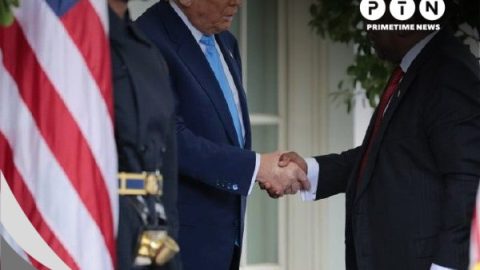


The first round of diplomatic engagement between Washington and Tehran concluded this Monday in Geneva, marking the end of what officials have termed the US Iran talks Switzerland. The US Iran talks Switzerland remain a focal point for both capitals, and mediators said the sessions were high‑level, involving senior officials from both capitals, and that the opening was marred by Tehran’s announcement of a renewed closure of the strategic Strait of Hormuz. The United States, represented by senior advisers, responded with President Donald Trump’s reiterated warnings that Washington could resume military strikes against Iranian targets if the situation escalated. Observers noted the stark contrast between the ceremonial setting of the Swiss capital and the heightened rhetoric that accompanied the initial exchanges.
US Iran talks Switzerland: diplomatic stakes and regional ripple effects
The diplomatic stakes of the US Iran talks Switzerland are rooted in a decade of oscillating negotiations over Iran’s nuclear programme. The US Iran talks Switzerland continue to shape regional calculations. The 2015 Joint Comprehensive Plan of Action lifted many sanctions in exchange for strict monitoring, a framework that the United States abandoned in 2018 after President Trump withdrew from the agreement. Since then, Tehran has pursued a series of ballistic‑missile tests and has repeatedly threatened to disrupt shipping lanes, most recently by declaring the Strait of Hormuz temporarily closed. For the Iranian delegation, the Geneva talks represent an opportunity to signal that its regional ambitions can be pursued without further economic isolation, while for Washington the agenda centres on preventing a wider conflagration that could involve U.S. forces in the Persian Gulf.
Negotiators from both sides were accompanied by European mediators, chiefly the Swiss Federal Department of Foreign Affairs and the United Arab Emirates, who have sought to keep a channel of communication open despite mutual recriminations. According to the mediators, the discussions covered a range of issues, from the release of detained dual nationals to the re‑instatement of certain limited sanctions relief. However, the most volatile element remained Tehran’s decision to tighten control over the vital maritime conduit, a move that prompted the United States to reiterate that any further aggression could trigger a renewed military response. The tone, described as “tense,” foreshadowed the challenges that lie ahead for any future round of talks.
Regional implications of a closed Strait of Hormuz
The strategic waterway that links the Arabian Sea with the Persian Gulf carries roughly a fifth of global oil shipments, and any interruption can reverberate through energy markets worldwide. Iran’s claim that it can close the Strait of Hormuz at will is a lever it has employed intermittently since the early 2000s, but the closure announced during the opening of the US Iran talks Switzerland underscores the depth of mistrust between the parties. Analysts argue that a prolonged shutdown could drive oil prices higher, compel tankers to reroute around the Cape of Good Hope, and increase insurance premiums for vessels transiting the region. For Gulf Cooperation Council states, the threat of disruption adds pressure to align with U.S. security guarantees, while for Tehran it serves as a bargaining chip in negotiations over sanctions relief and nuclear compliance.
From a broader diplomatic perspective, the outcome of the US Iran talks Switzerland reflects an emerging pattern in which neutral venues are used to stage back‑channel engagements between adversarial states. The US Iran talks Switzerland have set a precedent for future mediation. The Swiss city, renowned for its tradition of host‑mediated peace talks, offers a discreet environment where senior officials can meet away from the glare of domestic politics. Such settings have previously facilitated dialogues on the Syrian conflict, the North Korean nuclear issue, and the historic talks that led to the 1978 Camp David accords. In the current context, the presence of high‑ranking representatives from Washington and Tehran signals a willingness, however tentative, to keep diplomatic options alive despite the prevailing climate of confrontation.
Looking ahead: prospects for a second round
While mediators confirmed that the first round of US Iran talks Switzerland has formally concluded, they stopped short of promising an immediate follow‑up. The US Iran talks Switzerland remain under close observation by analysts. Sources familiar with the process indicated that both sides will now retreat to their capitals to assess the progress made and to gauge domestic political reactions. In Washington, the administration faces pressure from Congress to demonstrate a clear strategy for preventing further escalation in the Gulf, whereas Tehran must balance the expectations of hard‑line factions who view any concessions as a betrayal of national sovereignty. The likelihood of a second round will depend on whether both parties can find common ground on the most contentious issues, notably the status of the Strait of Hormuz and the potential resumption of limited sanctions relief.
The international community has watched the developments with a mixture of hope and apprehension. European capitals, particularly those within the European Union, have urged both Washington and Tehran to adhere to the spirit of the 2015 nuclear accord, emphasizing that a diplomatic solution serves the interests of regional stability. Meanwhile, the United Nations has called for restraint from all actors, warning that any inadvertent clash could spiral into a broader conflict. In the months ahead, diplomatic channels will likely remain active, with back‑channel communications supplementing any formal meetings that may be arranged in neutral locales.
Domestic audiences in both countries are also shaping the narrative surrounding the talks. In the United States, public opinion remains divided, with polls indicating that a majority of Americans support a negotiated settlement that averts further bloodshed, even as a significant minority endorse a more aggressive posture toward Iran. In Iran, the leadership’s rhetoric continues to portray the closure of the Strait of Hormuz as a sovereign right, while also signaling willingness to engage in dialogue if the United States eases punitive measures. This duality underscores the delicate balance each side must strike between external pressure and internal political calculations.
Should a second round of negotiations materialise, the agenda is expected to expand beyond the immediate security concerns that dominated the opening session. Topics such as the release of American citizens held in Iranian prisons, the potential re‑introduction of humanitarian waivers, and the future of the 2020 nuclear compliance timeline are likely to feature prominently. Moreover, observers suggest that Tehran may seek assurances regarding the lifting of certain secondary sanctions that have hampered its oil exports, while Washington could press for more robust verification mechanisms to ensure that any renewed concessions are not diverted to prohibited programmes.
In summary, the first round of US Iran talks Switzerland closed on a note of tension but also demonstrated that diplomatic engagement remains possible even amid heightened rhetoric. The US Iran talks Switzerland, despite the tension, illustrate diplomatic possibilities. The closure of the Strait of Hormuz and President Trump’s renewed threats added complexity to the discussions, highlighting the fragile nature of any prospective agreement. As mediators continue their behind‑the‑scenes work, the international community will be watching closely for signs of progress, aware that the outcomes of these talks could shape the security architecture of the Middle East for years to come.
Learn more about our newsroom on our About page.