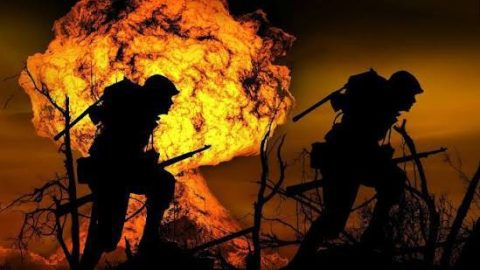


An early morning blast at the core processing complex in Ras Laffan sparked what officials are calling the Qatar LNG explosion. Initial reports confirm fifty-four injured and eighteen missing, prompting a large-scale emergency response. The blast damaged key installations, halted production, and raised concerns about regional energy supplies. Local authorities, alongside international safety experts, have mobilised rescue teams, medical units and fire crews to contain the situation and assist victims.
Qatar LNG explosion triggers emergency response
The rapid deployment of emergency services reflected the strategic importance of the LNG hub, a significance underscored by the Qatar LNG explosion, which handles a significant share of the world’s liquefied natural gas exports. Firefighters tackled flames that erupted from storage tanks, while specialized hazmat units monitored for possible gas leaks. Hospital staff in nearby cities prepared to receive casualties, and shelters were set up for families of the missing.
Officials emphasized that the site’s safety protocols were being reviewed in the wake of the Qatar LNG explosion. They noted that the plant follows stringent international standards, yet the scale of the incident suggested a failure of one or more critical systems. Investigation teams are gathering evidence, interviewing plant personnel and analysing surveillance footage to piece together the sequence of events that led to the explosion.
Impact on LNG market and regional energy dynamics
The Qatar LNG explosion arrives at a time when global energy markets are already volatile due to geopolitical tensions and shifting demand patterns. Qatar is the world’s largest LNG exporter, and the Ras Laffan complex contributes a substantial portion of its output. Any prolonged shutdown could tighten supply, potentially affecting spot prices and long‑term contracts. Traders are closely monitoring the situation, awaiting guidance from the country’s energy ministry on expected recovery timelines.
Analysts point out that other producing nations may see short‑term gains if Qatar’s export capacity is reduced, but they also warn that a severe disruption could prompt buyers to diversify sources, reshaping trade flows. The incident underscores the fragility of critical infrastructure and the need for robust contingency planning across the sector.
Authorities and investigation procedures
Government spokespersons have pledged full transparency, promising to release investigation findings as soon as they become available. The Qatar LNG explosion is being examined by a joint task force that includes representatives from the Ministry of Interior, the Energy Ministry and independent safety consultants. Their mandate covers everything from equipment failure analysis to potential human error and external interference.
In the meantime, families of the injured and missing are receiving support from social services, and the state has announced compensation measures for those directly affected. International humanitarian organisations have also offered assistance, emphasizing the humanitarian dimension of the disaster.
While the full extent of damage to the processing plant remains unclear, engineers, cognizant of the Qatar LNG explosion, are already assessing the feasibility of restarting operations. Preliminary inspections suggest that some sections of the facility may be salvageable, but extensive repairs could be required before the complex can resume full production. The timeline for any restart will depend on safety certifications, replacement of damaged equipment and regulatory approvals.
Community leaders have called for solidarity, urging residents to remain calm and cooperate with rescue teams. Public gatherings have been discouraged near the site to allow emergency services to work unhindered. Local media continue to provide updates, and official channels are advising the public to rely on verified information to avoid speculation.
Historically, the Ras Laffan area has been a cornerstone of Qatar’s economic diversification strategy, feeding revenues that support public services and infrastructure projects. The setback caused by the Qatar LNG explosion therefore has broader socio‑economic implications, potentially influencing budgetary planning and development initiatives.
Looking ahead, the incident may prompt a reassessment of safety standards across the global LNG industry. Stakeholders are expected to review emergency response protocols, invest in advanced monitoring technologies and reinforce training programs to mitigate future risks. The lessons learned from this event could shape regulatory frameworks and operational best practices worldwide.
As the rescue operation winds down, authorities, in the aftermath of the Qatar LNG explosion, will shift focus to accounting for all personnel, providing medical care to the injured, and offering psychological support to those traumatized by the blast. The Qatar LNG explosion remains a stark reminder of the hazards inherent in large‑scale energy production, highlighting the need for vigilance, preparedness and coordinated response.
Learn more about our newsroom on our About page.