

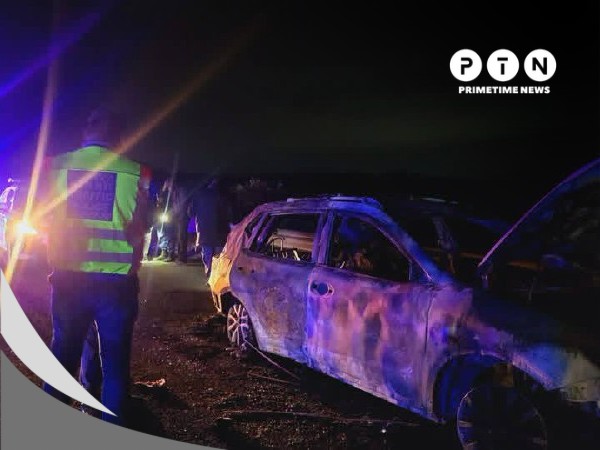
On the night of 22 September 2026, a tragic incident unfolded along the N2 freeway near Park Rynie in KwaZulu‑Natal. Timothy Simpson, a dedicated provincial inspector with the Road Traffic Inspectorate (RTI), was on duty when the state‑owned patrol vehicle he was occupying caught fire and was completely engulfed, resulting in his death. The sudden blaze, reported at approximately 20:00, has sent shockwaves through the law‑enforcement community and raised urgent questions about vehicle safety and emergency response protocols.
What Happened on the N2?
According to eyewitnesses and the initial police report, the patrol car was travelling northbound when a sudden, intense flame appeared to emanate from the engine compartment. Within minutes the vehicle was a rolling inferno, leaving little chance for the officer inside to escape. Emergency services arrived promptly, but the fire had already consumed the cabin. The cause of the fire remains under investigation, with early speculation focusing on potential fuel system failure, electrical short‑circuit, or an external ignition source.
Immediate Response and Family Support
Within hours of the incident, senior officials from the Department of Transport, including Head of Department Zibusizo Dlamini, coordinated a response team to meet Simpson’s family. The department’s statement emphasized respect for the officer’s “discipline and dedication” and promised full cooperation with the family throughout the grieving process. A formal condolence visit was scheduled, and the department pledged to provide counseling and financial assistance, reflecting standard protocol for line‑of‑duty deaths.
Joint Investigation: Police and Forensic Teams
The RTI has mobilised a specialised investigative unit to work alongside a highly trained team from the South African Police Service (SAPS). This collaborative effort will examine forensic evidence, vehicle maintenance records, and the driver’s last known actions. The forensic team will also conduct a detailed analysis of the vehicle’s fire‑suppressant systems, which are mandatory on state‑owned patrol cars. The investigation aims to determine whether a mechanical defect, sabotage, or procedural lapse triggered the blaze.
In a related development, the department’s internal audit will review compliance with the national road‑safety standards that govern the upkeep of police and traffic‑inspection fleets. Findings could lead to policy revisions, especially regarding regular engine inspections and the installation of advanced fire‑extinguishing equipment.
Road Safety Context and Lessons Learned
South Africa records one of the highest rates of road‑traffic fatalities on the continent. According to the latest Road Traffic Management Corporation (RTMC) data, over 13,000 people die on the nation’s roads each year, with vehicle fires accounting for a small but significant proportion of those deaths. The RTI’s fleet, which operates 24‑hour patrols on major highways like the N2, is expected to adhere to the strictest safety standards. This incident underscores the importance of continuous vehicle monitoring and the need for rapid fire‑containment training for all officers.
Experts suggest that regular thermal imaging inspections and the integration of automatic fire‑suppression systems could dramatically reduce the risk of similar tragedies. Moreover, the incident highlights the broader challenge of maintaining aging patrol fleets while balancing budget constraints.
Looking Ahead: Support for the Officer’s Family
Beyond the technical investigation, the department has pledged ongoing support for Simpson’s widow and children. A dedicated liaison officer will keep the family informed of investigative milestones and ensure they receive appropriate compensation under the Compensation for Dependants of Road Accident Victims Act. The department also plans to honour the officer’s service with a memorial ceremony at the Inkosi Mhlabunzima Maphumulo House, a venue that has previously hosted RTI commendations.
In a show of solidarity, colleagues from across the province have organised a moment of silence during the next shift change, and a tribute video featuring messages from fellow inspectors is being prepared for public release. The loss has also reignited discussions about mental‑health support for officers who regularly confront high‑risk situations.
For further community insight, readers may recall the apology after threat against women at Sandton restaurant goes viral, which similarly prompted a departmental review of internal policies and public communication strategies.
As the investigation proceeds, the RTI and SAPS remain committed to uncovering the precise cause of the fire, implementing corrective measures, and honouring the memory of an officer who gave his life in the line of duty.