
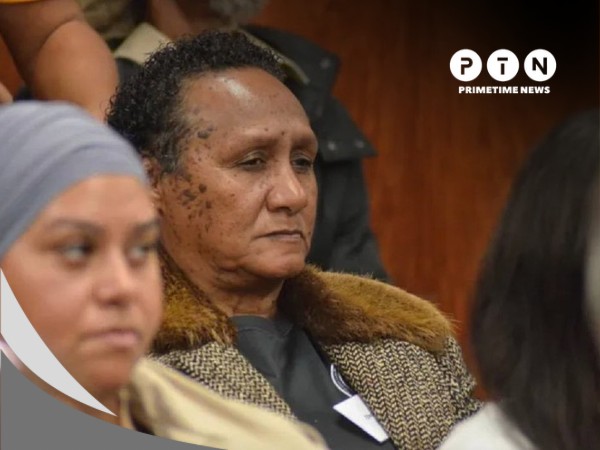
In the heated atmosphere of the recent Cape Forum mayoral debate, Ellen Pakkies sat quietly among the audience, her presence a silent reminder of the NCC’s commitment to the Cape Flats community. While she did not speak, her absence sparked a fierce exchange between NCC leader Fadiel Adams and ActionSA’s Dereleen James, who accused the party of marginalising the candidate.
Why Ellen Pakkies Was Chosen
The National Community Coalition (NCC) announced Pakkies as its Cape Town mayoral hopeful in April, banking on her status as a symbol of the Cape Flats’ struggle against drug addiction. In 2007, Pakkies made national headlines after the tragic killing of her son, an addict, a case that highlighted the deep‑seated social challenges in the region. Her personal story has since become a rallying point for community activists demanding better support services.
Debate Dynamics and the Accusations
During the Bellville debate, the NCC’s official representative, Fadiel Adams, took the podium while Pakkies remained in the crowd. After the event, James questioned on social media why the party’s “face” was not given a platform to articulate her vision. She argued that using Pakkies’ narrative in campaign material without allowing her to speak was a form of tokenism.
Adams Defends the Candidate’s Role
Adams responded in a Facebook Live session, emphasizing that Pakkies’ strength lies in her grassroots work rather than polished public speaking. He described her as “the mother the Cape Flats needs,” a figure who embodies the everyday battles of local mothers facing poverty, crime, and inadequate services. According to Adams, Pakkies initially hesitated to run, feeling unqualified and preferring a ward council position where she could directly assist residents. He convinced her that her lived experience made her uniquely suited for mayoral leadership, stating, “She did not see this as an opportunity to elevate herself; she saw it as a duty to her community.”
Community Impact Versus Debate Performance
While James suggested that Pakkies’ silence could be a strategic oversight, Adams argued that debate eloquence is secondary to authentic community engagement. He challenged James, asking whether she could match Pakkies’ record of on‑the‑ground work or her understanding of the “genocide” of neglect occurring in the Cape Flats. The leader warned that attempts to embarrass Pakkies onstage would only backfire, alienating voters who view her as a genuine advocate.
Broader Political Context
The NCC’s internal dynamics are further complicated by speculation around other mayoral hopefuls, such as PAC’s Larry Varrie, who some believe may be positioning himself to appeal to “Coloured unity” voters. Adams has not confirmed Varrie’s identity in these rumors, but the chatter underscores the fragmented nature of opposition politics in Cape Town ahead of the 2026 municipal elections.
Beyond the political theatre, the Cape Flats continues to grapple with a severe drug crisis, high unemployment, and strained municipal services. Advocacy groups argue that candidates like Pakkies bring needed visibility to these issues, pressing the city council for expanded rehabilitation centres, youth programmes, and safer neighbourhoods.
For readers interested in how community leaders balance activism with political ambition, the NCC’s approach offers a case study in leveraging personal tragedy for public policy change. As the election draws nearer, voters will decide whether a candidate rooted in lived experience can translate that into effective governance.
In related news, the region recently faced an industrial accident in Wellington that claimed one life and injured two others, highlighting ongoing safety concerns that also demand political attention.
For a deeper look at the statements made by Adams and the surrounding controversy, see the recent coverage on Daily Voice.