

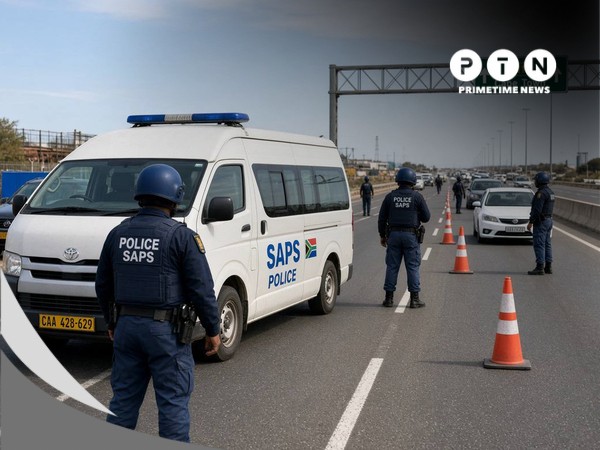
The South African Police Service (SAPS) has announced a sweeping success for its Operation Shanela, reporting that 14,274 suspects were taken into custody between 21 September and 27 September 2026. The operation targeted a broad spectrum of serious offences, ranging from murder and rape to drug trafficking, illegal migration, copper theft and unlawful possession of firearms.
Scale of the Arrests and Types of Crime
According to the official SAPS report, the majority of those apprehended were linked to violent crimes. Notably, 195 individuals were arrested on rape charges, underscoring a focused effort to combat gender‑based violence that has plagued many communities. In addition, 2,858 people were detained for drug‑related offences, while 1,196 drivers faced charges for driving under the influence.
Firearms offences also featured prominently. Detectives traced and arrested an extra 1,854 wanted suspects, and SAPS removed 148 illegal guns and 1,706 rounds of ammunition from circulation. These weapons are often the catalyst behind the deadly incidents that occur in unregulated drinking establishments.
Targeting Illegal Liquor Outlets
Alcohol abuse and illicit drinking venues have long been identified as breeding grounds for violent crime. During the same week, police shut down 369 unlicensed liquor outlets, with KwaZulu‑Natal accounting for 216 of those closures. Licensed premises were not exempt; SAPS conducted 5,727 compliance inspections, seizing more than 22,000 litres of alcohol that had been stored or sold in violation of regulations.
The crackdown on illegal shebeens and taverns is part of a broader strategy to dismantle the “deadly mix” of alcohol and firearms. By curbing the supply of illicit alcohol, SAPS hopes to reduce the frequency of bar‑room brawls that often end in shootings.
High‑Profile Incidents Highlight the Need for Action
Two recent mass‑shootings illustrate the urgency of the operation. In the Western Cape, a dedicated investigative team has been assigned to the Lwandle shooting, which left ten people dead and eleven injured. Another tragic episode unfolded at the Wedela Tavern, where 17 patrons—13 men and four women—were gunned down. These events have galvanized public demand for stricter enforcement of firearm and liquor laws.
Police spokespersons emphasized that the arrests are not merely numbers on a report but represent a decisive step toward safeguarding vulnerable communities. “These decisive actions underscore SAPS’ determination to protect communities from the deadly mix of alcohol abuse and illegal firearms while relentlessly pursuing suspects behind serious crimes,” the department said in a statement.
Broader Implications and Future Outlook
Operation Shanela’s results have ripple effects beyond immediate crime reduction. The seizure of copper, a valuable commodity often stolen for resale, helps protect South Africa’s infrastructure and mining sector. Moreover, the removal of over 1,700 rounds of ammunition reduces the likelihood of those bullets being used in future offences.
Community leaders have welcomed the crackdown but stress that sustained effort is essential. They call for continued collaboration between police, municipal authorities and civil society to monitor compliance at licensed venues and to provide support services for victims of gender‑based violence.
While the operation’s short‑term impact is clear, long‑term success will depend on follow‑up investigations, prosecutions and preventative programs aimed at addressing the root causes of crime, such as poverty, unemployment and substance abuse.
What This Means for South Africans
For everyday citizens, the message is twofold: illegal activities will face swift and comprehensive enforcement, and there is a renewed commitment from SAPS to protect public safety. Residents are encouraged to report suspicious activity, especially around unlicensed drinking spots, and to cooperate with authorities during compliance checks.
In related news, the government has also rescheduled the Cape Town power outage to 10 October, a move that aims to minimise disruption while essential maintenance is carried out. Both developments reflect a broader trend of proactive governance aimed at improving everyday life for South Africans.
As Operation Shanela continues to unfold, the nation watches closely, hopeful that this decisive wave of law‑enforcement will usher in a safer, more orderly future.