

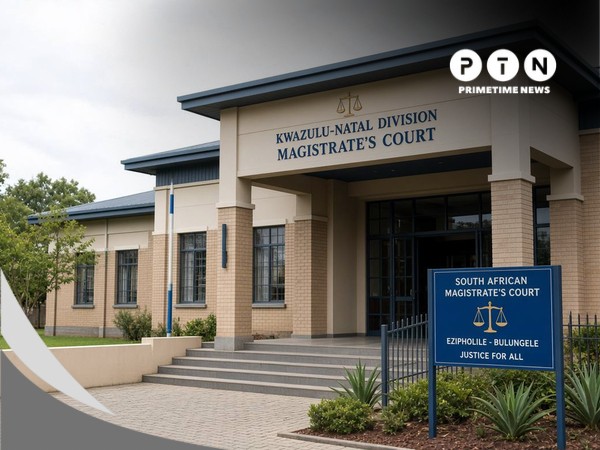
The Ntuzuma Magistrate’s Court delivered a landmark verdict this week, sentencing Apostle Mandla Mahlaba of the New Jerusalem in Zion church to life imprisonment for the rape of a 13‑year‑old girl. The judgment, handed down after a three‑year legal battle, has ignited both relief among the victim’s family and fury among community members who accuse the cleric of a pattern of abuse.
Background to the case
Mahlaba faced multiple allegations of sexual abuse involving three under‑age girls whose parents were congregants at his church. One of the victims was his step‑daughter, who later gave birth to his child. Although he publicly admitted to impregnating his step‑daughter, he framed the incident as a private family matter and even announced plans to take her as a second wife. His legal wife initially filed a rape complaint but withdrew it before the case reached court, leaving only the charge involving the 13‑year‑old from Ntuzuma.
Under South Africa’s Sexual Offences Act of 2007, rape of a child under the age of 14 can attract a life sentence, especially when aggravating factors such as abuse of authority are proven. The act also mandates mandatory reporting of child sexual abuse, a provision that many victims and their families still struggle to invoke due to fear of stigma and retaliation.
The trial and sentencing
The prosecution presented forensic evidence, testimony from the victim, and corroborating statements from other church members who alleged that Mahlava regularly coerced congregants into consuming meat he slaughtered and amasi (fermented milk) during services – a practice that had already drawn criticism for its cult‑like overtones.
After hearing the evidence, the magistrate described Mahlaba as “a cruel individual who has no place among the members of this community.” In a statement that resonated with the crowd gathered outside the courtroom, the judge affirmed that the life sentence reflected the gravity of the crime and the need for deterrence.
The mother of the 13‑year‑old, who requested anonymity to protect her daughter, expressed that the verdict brought a measure of solace after years of anguish. “If there was a sentence heavier than life imprisonment, I would have said he should receive it,” she said, adding that the sentence would help the family begin to heal.
Community reaction and aftermath
Following the verdict, ululations and chants filled the air as locals celebrated what they saw as justice finally being served. Some attendees later gathered at the site where Mahlaba’s church once stood, where the building had been set alight by angry residents after the abuse allegations surfaced. The arson was condemned by the local police, but many community members argued that the fire was a symbolic act of purging the evil they believed had festered within the walls of the church.
In the weeks leading up to the sentencing, the church had already become a flashpoint for controversy. Apart from the sexual abuse claims, congregants complained that they were forced to eat meat and amasi prepared by the priest, a practice that many viewed as an abuse of spiritual authority. Such coercive rituals are not unique to this congregation; similar patterns have been documented in other fringe religious groups across South Africa, prompting calls for tighter regulation of religious organisations.
Legal and societal implications
The case underscores the challenges South Africa faces in combating child sexual abuse. According to the Department of Social Development, more than 30 % of reported sexual offences involve children under 18, yet conviction rates remain low due to procedural delays and inadequate victim support services. The three‑year duration of Mahlava’s case reflects a broader systemic issue of case backlogs in magistrate courts.
Experts argue that stronger community education and robust reporting mechanisms are essential. A recent study by the South African Medical Research Council highlighted that early intervention can reduce the long‑term psychological impact on victims, who often suffer from depression, anxiety, and academic decline.
For those interested in the full court judgment and its legal reasoning, the court sentencing details provide a comprehensive overview of the evidence and statutory provisions applied.
Looking ahead
The sentencing has sparked renewed dialogue about safeguarding children within religious settings. Local NGOs are now coordinating with the Ntuzuma police precinct to conduct workshops on recognizing and reporting abuse, while the Department of Justice is reviewing policies to accelerate the processing of sexual offence cases.
Meanwhile, the broader community continues to grapple with the trauma left by the priest’s actions. Schools in the area have arranged counselling sessions for the victim and other students affected by the case, acknowledging that the ripple effects of such abuse extend far beyond the courtroom.
As South Africa strives to confront its endemic child abuse crisis, the Ntuzuma verdict serves as a stark reminder that accountability, even for those in positions of spiritual authority, is both possible and necessary. The hope is that this landmark ruling will deter future perpetrators and encourage victims to come forward, knowing that the justice system can, ultimately, deliver life‑changing outcomes.
In related local news, the region has also been dealing with other tragic events, such as the recent fatal crash on the M7 in Zonkizizwe, which underscores the diverse challenges facing communities across the country. For more details on that incident, see the report on the recent accident on the M7.