
South Africa has been rocked by two separate mass shootings in the space of a single weekend, leaving at least 27 people dead and dozens more wounded. The attacks, which took place near Johannesburg and Cape Town, have intensified public anger over a murder rate that remains among the world’s highest.
The twin attacks that shocked the nation
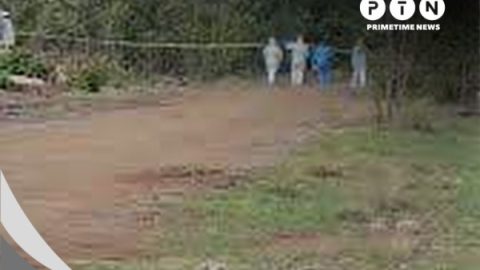
On Saturday night, eight gunmen armed with AK‑47 assault rifles and pistols stormed a tavern in Wedela township, roughly 80 kilometres south‑west of central Johannesburg. Police say 17 patrons were killed and another 15 were shot. The assailants reportedly searched the crowd for cell phones before fleeing in two unmarked vehicles, which they set ablaze.
Just hours later, a second massacre unfolded at a shisanyama – a popular open‑air grill venue – in Lwandle, a suburb of Cape Town. Ten people died on the spot and a further eleven were taken to hospitals with serious injuries. Witnesses described the gunmen entering the venue shortly after 1 a.m., opening fire indiscriminately, and then disappearing into the early morning darkness.
Possible motives: illegal mining, rivalry and retaliation
Investigators in Gauteng have linked the Wedela shooting to a suspected turf war over illegal gold mining. The region is known for the presence of “zama‑zamas”, informal miners who often operate under the protection of organised crime gangs. Gauteng Police Commissioner Tommy Mthombeni suggested the tavern attack could be retaliation for a similar incident at the same venue a month earlier.
In the Western Cape, detectives are exploring a different angle: reports that some customers were bringing cheaper, untaxed alcohol into the shisanyama, potentially sparking a dispute between rival vendors. While the exact trigger remains unclear, the pattern of gunmen using military‑grade weapons points to well‑armed criminal networks rather than isolated shooters.
Government response and public outcry
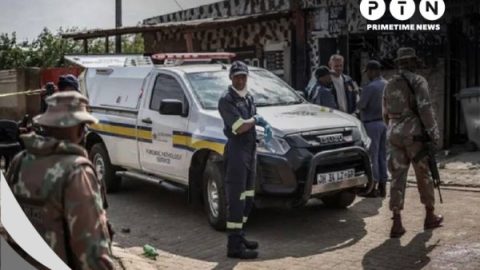
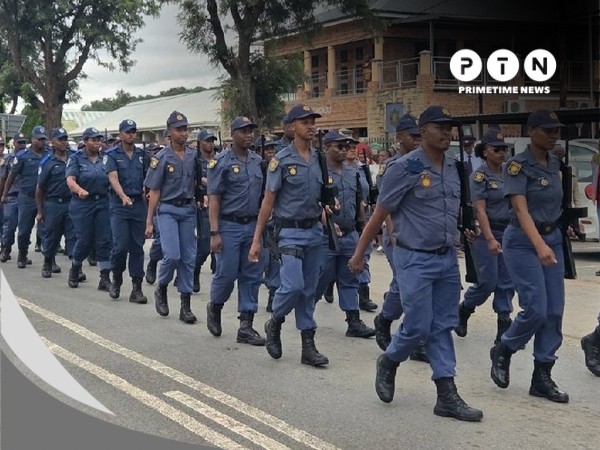
President Cyril Ramaphosa addressed the nation on Sunday, calling the spate of killings “unacceptable” and promising that security forces would “pull out all stops” to curb the violence. The South African Police Service launched a manhunt for the eight unidentified suspects in the Wedela case and assembled a team of serious violent crime detectives to investigate the Lwandle shooting.
Community leaders and opposition parties have demanded faster action, especially as the country grapples with other high‑profile crimes – including the recent discovery of multiple women’s bodies near O.R. Tambo International Airport and the ongoing Madlanga Commission inquiry into police corruption.
Context: South Africa’s broader crime crisis
According to the United Nations Office on Drugs and Crime, South Africa recorded a murder rate of almost 40 per 100,000 people in 2024 – the ninth‑highest globally. In the 12 months to 30 June, police logged more than 22,700 homicides, a figure that eclipses the total deaths from many other countries combined.
The prevalence of illegal mining, gang activity, and a proliferation of high‑capacity firearms such as the AK‑47 have all contributed to the lethal landscape. Moreover, gender‑based violence remains a pervasive problem, with the recent string of murders near the airport reigniting calls for comprehensive reform.
For a broader view of how these incidents fit into a troubling pattern, see the global analysis of South Africa’s mass shootings published by The Guardian.
What comes next? Ongoing investigations and community resilience
Police have yet to make any arrests in either case, but they are combing through CCTV footage, mobile‑phone records and ballistic evidence to identify the perpetrators. In Gauteng, the search for the two burnt‑out vehicles continues, while Western Cape detectives are interviewing survivors and reviewing the venue’s entry logs.
Amid the grief, local residents are banding together to provide support for victims’ families and to demand safer neighbourhoods. Community watch groups have stepped up patrols, and civil‑society organisations are urging the government to address the root causes of violence – from unemployment and illegal mining to the easy availability of military‑grade weapons.
As South Africa confronts this latest wave of bloodshed, the nation’s resolve will be tested. The hope is that the combined pressure from citizens, lawmakers and international observers will translate into concrete reforms that finally curb the relentless tide of gun violence.
For further local coverage, see the recent report on eleven killed in a head‑on collision on the N2, which underscores the broader climate of tragedy affecting South Africans today.