

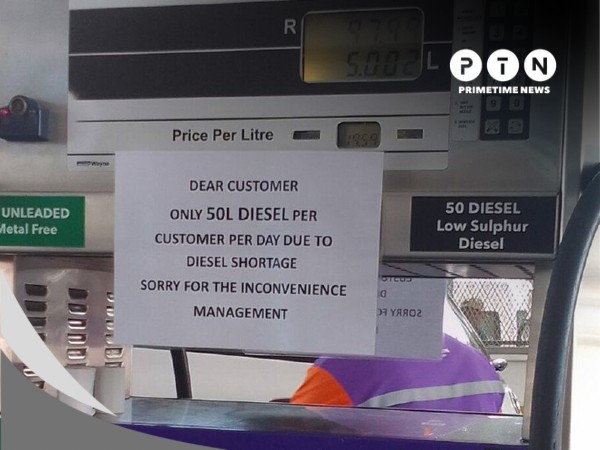
According to the latest projections from the Central Energy Fund (CEF), South Africa is on track for unprecedented fuel price levels in October 2026. Inland 95 petrol is expected to climb from R26.05 per litre in September to roughly R28.88, while wholesale 50 ppm diesel could breach historic peaks. These figures, if realised, would mark the highest national rates recorded since the market opened in the early 1990s.
What the Numbers Mean for Drivers
The CEF’s forecast compares confirmed September pump prices with anticipated October adjustments based on data collected up to 23 September. While the diesel numbers reflect wholesale baseline rates, retail forecourt prices will likely follow a similar upward trajectory, given the tight link between import costs and retail pricing. For a typical driver, the jump translates into an extra R300 per fill‑up for a petrol‑powered car and about R1 400 more per month for a diesel vehicle that travels 1 500 kilometres.
Why Fuel Prices Are Shooting Up
Three inter‑related forces are pushing the Petrol and Diesel Prices South Africa to new heights. First, geopolitical tension in the Middle East has sent Brent crude above the US$100‑per‑barrel mark. The United States’ recent strikes against Iranian targets and the looming threat to Saudi export terminals have rattled markets, creating a premium on refined products.
Second, the disruption of key shipping lanes—most notably the Strait of Hormuz—has squeezed refining margins. Even though crude oil itself is costly, the added expense of moving and processing it into petrol and diesel has amplified the final import bill.
Third, the South African rand has offered little relief. Throughout September, the currency hovered between R16.05 and R16.44 per US dollar, a range that fails to offset the dollar‑denominated surge in oil costs. Combined with an estimated R56 billion increase in the nation’s fuel import bill since February 2026, the financial pressure on both the government and consumers is mounting.
Ripple Effects on Commuters and the Economy
Higher fuel prices reverberate far beyond the pump. Minibus‑taxi operators have already raised fares by R3 to R6 on short city routes and by R10 to R30 on longer inter‑city journeys. For many South Africans who rely on these services, the increase erodes disposable income and may force a shift to alternative transport modes.
In the freight and logistics sector, diesel accounts for between 35 % and 55 % of total operating costs for road transport. A modest R3 per litre rise can add thousands of rands to the cost of moving goods, which in turn pushes retail prices higher. Food items, household supplies and even imported electronics could see price tags inch upward as businesses pass on the extra expense.
Household budgets are also feeling the squeeze. Since the start of 2026, the average South African motorist has spent roughly R300 more per month on petrol and up to R1 400 extra on diesel, depending on vehicle type and mileage. Over a year, these incremental costs amount to a substantial dent in family finances, especially for low‑ and middle‑income households.
When Will the New Rates Take Effect?
The Department of Mineral and Petroleum Resources (DMPR) is slated to announce the official fuel price changes on Monday, 5 October 2026. The revised rates will become effective at midnight on Wednesday, 7 October 2026. Because the final figures are still subject to daily fluctuations in international product prices and exchange rates, a slight variance from the CEF’s projections is possible.
For those seeking the most up‑to‑date information, the government’s official fuel price data will be released alongside the announcement.
Looking Ahead: What Drivers Can Do
While the macro‑economic forces driving the Petrol and Diesel Prices South Africa October 2026 surge are largely beyond individual control, motorists can mitigate the impact. Car‑pooling, adopting more fuel‑efficient driving habits and, where feasible, switching to hybrid or electric vehicles can reduce fuel consumption. Businesses may explore route optimisation software to cut diesel use in logistics fleets.
On a broader scale, the government is under pressure to stabilise the rand and explore strategic petroleum reserves to buffer future shocks. In the meantime, staying informed about price movements and planning travel budgets accordingly will be essential for South Africans navigating an increasingly costly fuel landscape.
Even as the nation watches the fuel market closely, sports fans can take a brief mental break by recalling moments like Harrison’s Intercept Try Secures England Victory Over Black Ferns, reminding us that resilience and strategy win both on the field and in the marketplace.