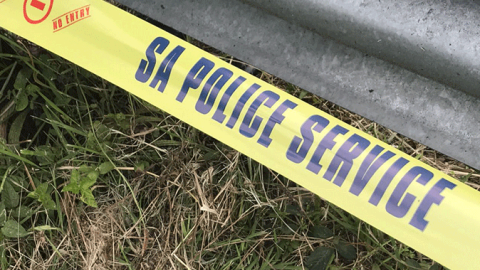


Gauteng police announced on Thursday that they have taken a suspect into custody in Limpopo in connection with the killing of Ntombifuthi Nxumalo. The 27‑year‑old’s naked body was discovered at Mooifontein Cemetery on Saturday, showing severe head trauma and surrounded by scattered stones. The arrest marks the culmination of a coordinated, cross‑provincial investigation that began after terrified residents reported hearing her screams outside a local tavern in Tembisa.
The grisly discovery
When officers arrived at Mooifontein Cemetery late on Saturday, they found Nxumalo’s body lying face‑down among the graves. Forensic experts noted extensive blunt‑force injuries to the skull, suggesting a violent assault with a heavy object. The presence of stones around the corpse indicated that the scene may have been staged to mislead investigators. The victim was found without clothing, a detail that has prompted questions about the motive and the level of premeditation involved.
Timeline of the investigation
According to preliminary police reports, Nxumalo was last seen exiting the Bar 7 tavern in Tembisa around 22:30 on Friday night. Witnesses recalled a man in a dark hoodie accompanying her, but they could not provide a clear description. Several neighbours reported hearing a woman’s desperate pleas for help, followed by a sudden silence. The next morning, a passerby discovered her body, prompting an immediate crime scene response.
Detectives quickly traced mobile phone pings from the victim’s handset to a location near the tavern, narrowing down the list of potential suspects. Surveillance footage from a nearby shop showed a lone male figure walking away from the tavern shortly after Nxumalo left. Using this visual clue, investigators identified a man who matched the description and began tracking his movements.
The suspect fled the Gauteng province shortly after the murder, heading north to Mohlabaneng village in the Mopani District of Limpopo. A joint task force comprising Gauteng, Limpopo and SAPS crime units set up a covert operation to locate him. Early Sunday morning, officers entered the suspect’s modest home while he was asleep and took him into custody without incident.
The arrest was confirmed in an official police statement, which also indicated that the suspect will face charges of murder, indecent assault and obstruction of justice. Further forensic analysis of the crime scene and the suspect’s belongings is ongoing.
Community reaction and broader crime context
The brutal killing has sent shockwaves through Tembisa, a township already grappling with high rates of violent crime. Residents expressed outrage on social media, demanding swift justice and better security measures. Local leaders called for increased police patrols and community‑based safety initiatives.
This case is not isolated. In recent months, Ekurhuleni authorities have uncovered several bodies in the region, prompting fears of a possible serial offender. The discovery of another woman’s remains earlier this year, as well as the ninth body found in the broader Ekurhuleni area, has heightened public anxiety.
For a broader perspective on how police investigations are being handled across provinces, readers may refer to the full investigation into the RTI Provincial Inspector death, which illustrates the challenges of inter‑jurisdictional cooperation.
Legal process and what comes next
Following his arrest, the suspect was presented before a magistrate in Limpopo and charged with murder. He will appear before the court next week, where bail will be considered. South African law mandates that a murder case proceeds to the High Court for trial, meaning the proceedings could extend over several months.
Forensic teams are still processing evidence from the cemetery site, including DNA samples from the stones and any potential trace evidence on the victim’s clothing. Prosecutors are expected to rely heavily on this scientific data, alongside eyewitness testimony, to build a robust case.
Human rights groups have called for a transparent investigation, emphasizing the need for victim support services for Nxumalo’s family. The Department of Justice has pledged to provide counseling and legal assistance, a standard response in high‑profile homicide cases.
As the legal process unfolds, the community hopes that the swift arrest will serve as a deterrent to future violence and restore a measure of confidence in law enforcement. The case also underscores the importance of rapid inter‑provincial cooperation, a lesson that may shape future policing strategies in South Africa.