

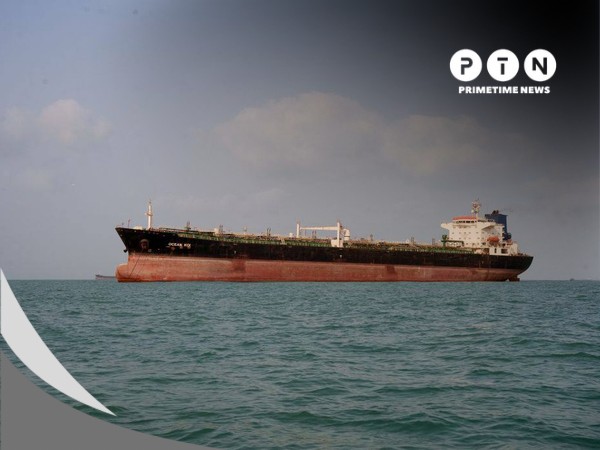
In a blunt statement at the White House, President Donald Trump dismissed Iran’s seven‑day roadmap aimed at ending hostilities and reopening the strategic Strait of Hormuz. Tehran, however, insists that only a negotiated settlement can break the deadlock, while U.S. officials signal no immediate compromise. The clash underscores the fragile balance of power in the Middle East and the global stakes tied to one of the world’s most vital oil corridors.
Background: Why the Strait of Hormuz Matters
The Strait of Hormuz, a narrow waterway linking the Persian Gulf with the Gulf of Oman, carries roughly a fifth of the world’s petroleum trade. Any disruption reverberates through global energy prices, affecting economies from Europe to South Africa. After the United States and Israel launched a joint military campaign on 28 February, Iran responded by threatening to close the strait, prompting a wave of attacks on commercial vessels and a sharp decline in shipping traffic.
In retaliation, Washington imposed a sweeping economic blockade, freezing Iranian assets and tightening secondary‑sanction threats against airlines and firms dealing with Iran. The pressure has already forced the United Arab Emirates, Iraq and Oman to suspend flights to Iranian destinations, illustrating how quickly the conflict spills over into civilian sectors.
Iran’s Seven‑Day Proposal and Its Conditions
During a speech at the United Nations General Assembly, Iran’s foreign minister Abbas Araghchi unveiled a concise, seven‑day plan. The roadmap called for the United States to release frozen Iranian funds, lift oil‑related sanctions, and end the naval blockade on Iranian ports. In return, Tehran promised to reopen the Strait of Hormuz within four to five days and to commence broader negotiations on a permanent settlement by the seventh day.
Araghchi emphasized that the proposal was a “good‑faith gesture” designed to demonstrate Iran’s willingness to pursue diplomacy, especially after months of intense military posturing. He later posted on Telegram that Iran would not back down from its demands and was awaiting a definitive response from the mediators before deciding on the next steps.
For a snapshot of the rand’s performance against major currencies, see the latest rand exchange rates today.
Trump’s Immediate Rejection and the U.S. Position
When asked about the Iranian initiative, President Trump dismissed it as “unacceptable,” suggesting Tehran only wanted a deal because it was “losing so badly.” He added that while he was “open to a deal,” the terms presented by Iran did not meet U.S. expectations. According to a report by Al Jazeera, Trump’s administration had already signaled privately that the proposal would be rejected, citing doubts about Iran’s willingness to honor the agreement.
White House aides reportedly told the president that a renewed bombing campaign could be on the table after the November mid‑term elections, a stance that deepens the sense of a “limbo” status for the conflict. The Wall Street Journal, citing unnamed officials, noted Trump’s skepticism about Tehran’s capacity to meet the U.S. demands within the tight timeline.
Mediators, Regional Reactions and the Way Forward
Iran has engaged several intermediaries, including a meeting between Araghchi and Steve Witkoff, a Trump‑appointed envoy, to outline broader conditions such as a regional ceasefire covering Lebanon and Yemen. Yet, as of now, no concrete feedback from these mediators has been communicated to Tehran.
Iranian President Masoud Pezeshkian, also speaking at the UNGA, voiced a growing mistrust of Washington, pointing to previous negotiations that were followed by fresh sanctions and military strikes. He argued that the United States had effectively closed the strait before Iran, and that reopening would only happen if a comprehensive peace agreement were reached.
Analysts like Ross Harrison of the Middle East Institute view the Iranian proposal as largely symbolic—a way to signal to domestic audiences that Tehran is willing to negotiate, even if the leadership anticipated a U.S. rebuff. The proposal mirrors a June memorandum of understanding that collapsed after the United States allegedly undermined it, reinforcing the notion that Tehran expected Trump’s dismissal.
With both sides entrenched, the international community remains uneasy. The United Nations has called for restraint, while European powers warn that prolonged instability could trigger a sharp spike in oil prices, affecting everything from South African fuel costs to global inflation trends.
In the short term, the Strait of Hormuz is likely to stay partially closed, with limited commercial traffic and heightened naval presence from the United States and its allies. Longer‑term resolution will depend on whether a third‑party mediator can craft a mutually acceptable framework that addresses Iran’s demand for sanction relief and the United States’ insistence on security guarantees.
Until such a breakthrough occurs, the region faces a precarious balance: a war‑fatigued Iran pressing for diplomatic recognition, a U.S. administration signaling a hardline stance, and global markets watching closely for any shift that could reverberate through oil‑dependent economies worldwide.