

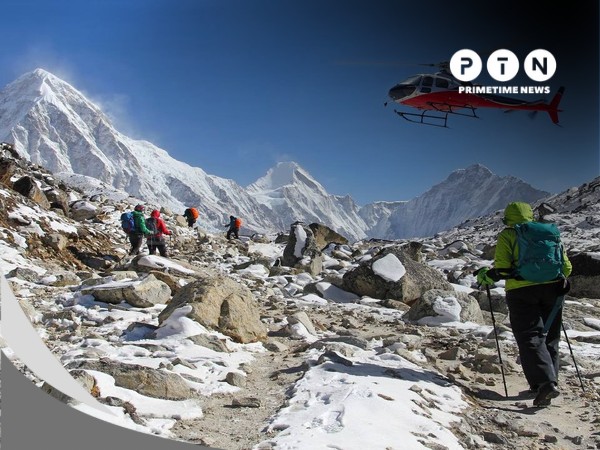
On Sunday morning a sudden avalanche slammed into a staging area close to the 7,126‑metre Himlung Himal peak in the Manang district of Nepal, wiping out a base camp that was being prepared for an upcoming expedition. Ten Nepalese climbers – eight from one trekking company and two from another – have been reported missing, according to the expedition organiser.
The avalanche and immediate impact
The avalanche struck just as local guides were setting up ropes, fixing routes and establishing supplies for foreign teams slated to attempt the summit later in the season. Bibhuti Chand Thakur, a spokesperson for Himalaya Holidays Trekking, told AFP that the missing climbers were part of the core crew responsible for ensuring the safety of the ascent.
Weather forecasts in the days leading up to the disaster had warned of heavy snowfall around Himlung Himal, a mountain that straddles Nepal’s border with Tibet. The fresh snowpack, combined with steep slopes, created the perfect conditions for a slab avalanche, which can travel at speeds of up to 80 km/h and bury anything in its path within seconds.
Why the Himalayas are becoming more perilous
Scientists have long warned that climate change is reshaping the dynamics of high‑altitude snow and ice. According to a recent BBC report, warming temperatures are causing more frequent melt‑freeze cycles, which destabilise snow layers and increase the likelihood of avalanches the BBC explains. In the Himalayas, the problem is amplified by rapid glacial retreat and erratic monsoon patterns, both of which have intensified in the past decade.
These environmental shifts have already taken a heavy toll on the region’s mountaineering community. Earlier this week, climbers were forced to abandon an attempt on Mount Manaslu, the world’s eighth‑highest peak, after authorities warned of an escalating avalanche threat. The loss of the ten climbers comes less than two months after six Nepali mountaineers perished on Broad Peak in Pakistan, a tragedy that highlighted the growing risks faced by professional high‑altitude guides.
Rescue challenges in extreme weather
Rescue operations have been hampered by the same harsh conditions that caused the avalanche. Persistent snowstorms and low visibility have grounded helicopters, while ground teams struggle to navigate deep drifts and unstable terrain. The Nepalese Army’s Mountain Rescue Unit has deployed a limited number of personnel, but the remote location – over 3,000 metres above sea level – makes rapid response difficult.
Efforts to locate the missing climbers are further complicated by the region’s rugged topography. The Manang district is characterised by narrow valleys, steep ridges and a network of glacial streams that can quickly become treacherous after heavy snowfall. In past incidents, rescue teams have relied on satellite phones and GPS beacons, but there is no confirmation that any of the missing climbers were equipped with such devices.
The situation echoes other crises where swift decisions are crucial, as seen when Swiss neutrality was upheld after voters rejected stricter sanctions. In both cases, the window for effective action narrows as conditions deteriorate.
Implications for Nepal’s climbing tourism
Mountaineering is a cornerstone of Nepal’s economy, generating roughly US$300 million annually and supporting thousands of local families. The recent avalanche adds to a string of weather‑related setbacks that threaten the sector’s stability. Persistent rain and snow across Nepal’s mountain districts have already forced the postponement of several trekking seasons, and the loss of experienced local guides could diminish the country’s reputation for safe, well‑managed expeditions.
Tour operators are now re‑evaluating their risk management protocols. Some are investing in advanced avalanche forecasting tools, while others are considering alternative routes that avoid the most avalanche‑prone slopes. The Nepalese government, meanwhile, has pledged to enhance early‑warning systems and to provide additional training for rescue personnel, though funding constraints remain a significant hurdle.
Looking ahead
As search teams continue to comb the avalanche zone, families of the missing climbers await news with growing anxiety. The incident underscores the urgent need for better preparedness in a region where climate‑driven hazards are becoming the new normal.
For the broader climbing community, the tragedy serves as a stark reminder that even seasoned guides are vulnerable to nature’s sudden fury. Strengthening safety infrastructure, investing in technology, and fostering international cooperation on mountain rescue could help mitigate future losses in the Himalayas.