
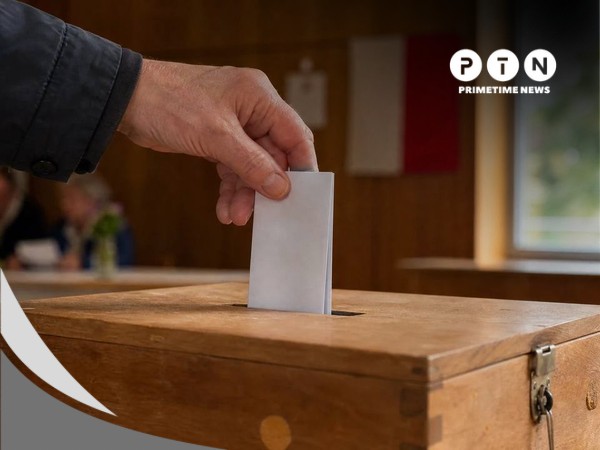
Switzerland’s famed stance of neutrality survived a pivotal referendum on Sunday, with roughly seven out of ten voters rejecting a proposal that would have tightened the constitutional definition of the principle. The initiative, dubbed “Safeguard Swiss Neutrality,” aimed to bar the country from participating in any military or security alliance and, crucially, from imposing sanctions on hostile states such as Russia.
What the referendum sought to change
Since the early 19th century, Swiss neutrality has been a cornerstone of its foreign policy, formally enshrined in the Constitution in 1848 after the tumult of the Napoleonic Wars. The 2022 Russian invasion of Ukraine prompted the Swiss Federal Council to adopt a suite of sanctions aligned with European Union measures, a move that sparked debate among purists who argued that any sanction breaches true neutrality.
The “Safeguard Swiss Neutrality” initiative would have re‑interpreted the constitutional article to prohibit any future sanctions, effectively shielding the nation from taking sides in international conflicts. Proponents claimed this would preserve Switzerland’s reputation as a safe diplomatic hub, while opponents warned it could isolate the country and undermine its role in global finance and humanitarian mediation.
Voting results and immediate implications
According to the Swiss polling institute GFS Bern, early tallies showed the “no” camp at 68% with a voter turnout of 46%. The final count, still being verified, is expected to confirm a decisive rejection. By keeping the current interpretation of neutrality, Switzerland can continue to enforce the sanctions regime against Moscow, which includes asset freezes, travel bans, and restrictions on trade in dual‑use goods.
Maintaining the status quo also means the Swiss banking sector can continue cooperating with international partners on anti‑money‑laundering efforts tied to Russian funds, a critical component of the broader Western response to the war.
Political and diplomatic context
The referendum unfolded against a backdrop of mounting pressure from the European Union, which has repeatedly urged Switzerland to align more closely with EU sanctions policy. While Switzerland is not an EU member, it relies heavily on the single market for trade, making alignment a practical necessity for many Swiss businesses.
Swiss officials, including Federal Councilor Ignazio Cassis, have repeatedly stressed that neutrality does not equate to indifference. In a statement following the vote, Cassis highlighted that “neutrality is a dynamic principle that allows Switzerland to act responsibly in the face of aggression, without joining a military bloc.” This nuanced view mirrors the stance of other traditionally neutral nations such as Austria and Ireland, which have also imposed sanctions on Russia while maintaining their non‑aligned status.
Public sentiment and broader societal factors
Swiss voters have historically demonstrated a pragmatic approach to neutrality, balancing idealism with economic realities. The relatively low turnout—just under half of eligible voters—suggests a degree of voter fatigue on constitutional amendments, a trend observed in recent Swiss referendums on topics ranging from cannabis legalization to pension reforms.
Interestingly, the referendum’s timing coincided with other national news, such as the tragic death of Park Rynie RTI officer Timothy Simpson in a vehicle fire on the N2. The incident reminded many citizens of the everyday challenges faced by public servants, subtly influencing the public mood toward stability and continuity.
For a deeper look at that story, see the coverage of the recent tragedy involving Park Rynie RTI officer Timothy Simpson.
What the future holds for Swiss neutrality
While the vote maintains the current legal framework, the debate is far from settled. Analysts predict that future referendums may revisit the issue, especially if geopolitical tensions intensify or if the economic costs of sanctions become more pronounced for Swiss firms.
For readers seeking a broader European perspective on Switzerland’s decision, Swiss rejection of stricter neutrality provides detailed coverage of the political ramifications across the continent.
In the meantime, Switzerland will continue to navigate its unique diplomatic path—upholding a centuries‑old policy while engaging actively in international sanctions regimes, a balancing act that defines its modern identity on the world stage.