
A sudden blast ripped through a modest two‑storey structure in Athens’ bustling Plaka district on Friday morning, killing six people and injuring two more. Among the dead were four United States citizens, a loss that has prompted an outpouring of condolences from the U.S. Embassy and heightened scrutiny of safety standards in historic urban areas.
What happened in Plaka?
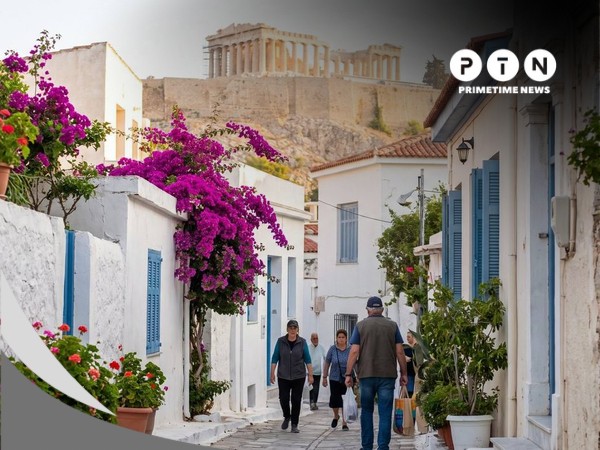
Plaka, the labyrinthine neighbourhood that hugs the base of the Acropolis, is a magnet for tourists seeking cobbled streets, neoclassical houses and traditional tavernas. At approximately 09:30 local time, a loud explosion echoed through the narrow alleyways, sending plaster, brick and roof tiles cascading onto the street below. The force of the blast caused the building’s roof to collapse, trapping occupants and nearby pedestrians under a mass of debris.
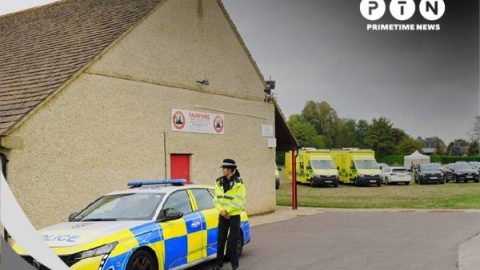
Emergency crews from the Hellenic Fire Department arrived within minutes, deploying ladders, hydraulic rescue tools and a canine unit to locate survivors. Initial reports indicated that six individuals were missing; later that day, officials confirmed that all six bodies had been recovered.
Investigation points to gas leak
The Greek authorities, in conjunction with the U.S. State Department, have identified the incident as a gas explosion. While the exact trigger is still under investigation, preliminary findings suggest a leak in the building’s natural‑gas supply line may have ignited, possibly due to outdated piping or illegal modifications. Greece has faced similar incidents in the past, most notably a 2013 explosion in Thessaloniki that claimed ten lives, underscoring the need for rigorous inspection of aging infrastructure.
Technical experts are now examining the site for signs of faulty installation, corrosion, or unauthorized connections. The investigation also includes a review of municipal permits to determine whether the property complied with local building codes, which were tightened after the 2010 earthquake that devastated parts of the country.
U.S. response and support for families
U.S. Ambassador to Greece Kimberly Guilfoyle posted a statement on X expressing deep sympathy for the victims and their families. “My thoughts and prayers are with the families and the loved ones of those killed and injured in this horrific incident,” she wrote, adding gratitude for the swift actions of Greek first responders.
The U.S. Embassy in Athens has activated its emergency assistance protocol, assigning consular officers to liaise with the families of the American victims, provide logistical support, and coordinate repatriation of the deceased. Such protocols are part of a broader diplomatic framework that ensures American citizens receive timely aid abroad, especially in crisis situations.
In addition to consular help, the State Department has pledged to work closely with Greek officials to share best practices on gas safety and urban emergency preparedness. The agency’s spokesperson confirmed that the four American deaths were officially recorded as the result of the gas explosion.
Impact on tourism and local community
Plaka’s reputation as a safe, family‑friendly destination has been momentarily shaken. Local businesses, many of which rely on the steady flow of tourists visiting the nearby Acropolis Museum, reported a temporary dip in foot traffic following the blast. The Athens municipality has pledged to conduct a rapid safety audit of similar historic buildings, aiming to reassure both residents and visitors.
Mayor Haris Doukas confirmed that two people in an adjoining structure sustained injuries but are now in stable condition. He urged citizens to remain vigilant and report any suspicious smells of gas, emphasizing that early detection can prevent tragedies of this magnitude.
Broader safety concerns and lessons learned
The incident adds to a growing list of urban accidents linked to outdated utility networks across Europe. According to a 2022 European Commission report, more than 30 % of cities with populations over one million have at least one segment of their gas distribution system classified as high‑risk due to age and lack of maintenance. Greece, with its extensive network of historic buildings, faces unique challenges in retrofitting modern safety standards without compromising architectural heritage.
Experts recommend regular leak detection surveys, the installation of automatic shut‑off valves, and public education campaigns on recognizing gas odors. In the wake of the tragedy, the Greek Ministry of Environment and Energy has announced a pilot program to install smart meters in high‑risk districts, a move that could set a precedent for other Mediterranean capitals.
For readers interested in how other unexpected incidents can strain emergency services, see the recent coverage of illegal street racing in Cape Town leading to an N1 patrol crash. Meanwhile, the full details of the Athens explosion were initially reported by ABC News, which documented the immediate aftermath and the ongoing rescue efforts.
As Athens mourns the loss of six lives, the tragedy serves as a stark reminder of the delicate balance between preserving historic charm and ensuring modern safety. Ongoing investigations will determine the precise cause, but the hope is that lessons learned will prevent similar disasters in the future.