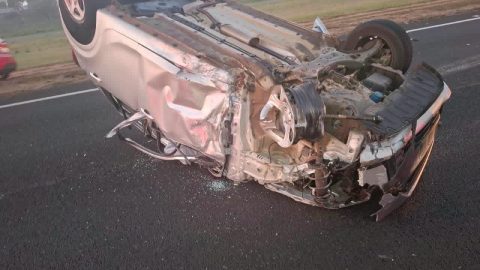

In the early hours of Sunday morning, a devastating head‑on collision on the N2 highway near Mtubatuba, KwaZulu‑Natal, claimed the lives of eleven passengers and left eight others fighting for their lives. The crash involved a northbound minibus taxi and a southbound heavy‑goods truck, both travelling on one of the province’s busiest routes.
What happened on the N2?
According to the South African Police Service, the two vehicles collided head‑on around 02:30 am. The minibus taxi, a common mode of transport for commuters in the region, was carrying a full load of passengers heading toward the coastal towns of Richards Bay and St Laws. The truck, loaded with timber, was returning southbound to the inland ports. Witnesses say the impact was so forceful that the taxi was ripped apart, while the cab of the truck was severely damaged.
Eight occupants of the taxi suffered critical injuries, many of them with severe burns caused by the post‑collision fire that broke out when the fuel tanks ruptured. Emergency services arrived within minutes, but the scale of the disaster meant that many victims could not be saved despite rapid medical intervention.
Official response and investigation
Transport MEC Siboniso Duma expressed his deepest condolences to the families of the deceased, calling the incident a “national tragedy” that underscores the need for stricter road safety enforcement. The police have launched a full investigation into the circumstances that led to the crash, examining factors such as driver fatigue, vehicle maintenance records, and possible road signage failures.
For a detailed look at the ongoing inquiry, readers can follow the official investigation report released by the Eastern Cape news outlet.
Road safety context on the N2
The N2 is South Africa’s longest national road, stretching over 2,600 km from Cape Town to Ermelo. In KwaZulu‑Natal, it serves as a vital artery linking inland towns with the coastal economic hubs. However, the highway has a notorious reputation for high‑speed crashes, especially in sections where overtaking lanes are limited and heavy traffic mixes with commuter minibuses.
Recent statistics from the Department of Transport reveal that over 1,200 road‑traffic fatalities occurred nationwide in 2025, with head‑on collisions accounting for roughly 12% of those deaths. Minibus taxis, which transport up to 16 passengers, are involved in a disproportionate number of serious accidents due to factors such as overloading, poor vehicle maintenance, and driver fatigue.
In response, the government has rolled out a series of measures, including the introduction of mandatory tachograph installations on commercial vehicles, increased roadside inspections, and a public awareness campaign titled “Drive Safe, Arrive Alive”. Yet critics argue that enforcement remains inconsistent, especially on long stretches of the N2 where patrol presence is sparse.
Impact on the community and families
The tragedy has sent shockwaves through the local community. Families of the victims are left grappling with grief and uncertainty, while the injured passengers face lengthy hospital stays and costly rehabilitation. One of the survivors, who asked to remain anonymous, described the scene as “a nightmare that will haunt me forever”.
In a related case, the family of Vusimuzi Radebe seeks answers after he was beaten to death while walking home in eMalahleni highlights the broader issue of families demanding accountability after violent incidents, echoing the current calls for transparency in the KZN N2 collision investigation.
What can be done to prevent future tragedies?
Experts point to a multi‑pronged approach: stricter enforcement of vehicle roadworthiness, mandatory rest periods for commercial drivers, and the installation of intelligent traffic management systems that can alert drivers to on‑coming traffic in real time. Moreover, upgrading the N2 with additional overtaking lanes and better lighting could reduce the likelihood of head‑on collisions.
Community organisations are also urging the government to provide financial assistance to the families of the deceased, as well as counselling services for the survivors. The incident serves as a stark reminder that road safety is a shared responsibility among drivers, regulators, and the public.
As the investigation continues, South Africans await answers that could shape future policies and, hopefully, prevent another tragedy on the nation’s most important highway.