

The JSE suffered a staggering R1.6 trillion erosion in market capitalisation on Tuesday, prompting analysts to label the move a flash oversold signal. The sharp decline reflects a perfect storm of domestic challenges – soaring interest rates, chronic electricity shortages and a weakening rand – compounded by volatile global markets.
Why the market collapsed
South Africa’s central bank has kept the repo rate at 8.25%, the highest level in a decade, to tame inflation that has lingered above 6%. Higher borrowing costs squeeze corporate earnings, especially for capital‑intensive sectors such as mining and manufacturing. At the same time, Eskom’s load‑shedding schedule has forced many factories to curtail production, denting profit forecasts and prompting investors to reassess risk.
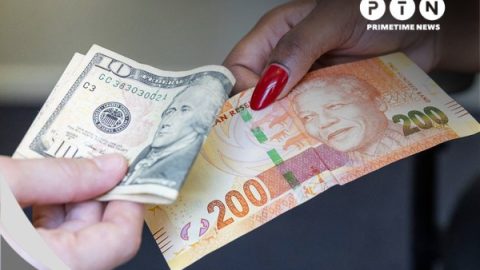
On the currency front, the rand slipped to 16.74 against the dollar, a 1.9% decline on the day. A weaker rand inflates the cost of imported inputs, further eroding margins for companies that rely on foreign equipment or raw materials.
Sector‑by‑sector impact
Financials bore the brunt of the sell‑off, with the FINI 15 index down 2.0%. Banks such as Standard Bank and FirstRand saw their share prices tumble as loan‑growth forecasts were downgraded. The mining index (RESI 10) edged lower by 0.2%, reflecting concerns over lower commodity prices and higher operating costs.
Conversely, precious metals showed resilience. Gold rose 0.4% to R4,171.49 per ounce, while platinum gained 1.4% to R1,725.70, as investors turned to safe‑haven assets amid the turmoil. The commodities rally offered a modest cushion for the broader market.
Historical perspective
This is not the first time the JSE has experienced a rapid erosion of value. In 2020, the pandemic triggered a R1.2 trillion wipe‑out, and in 2018 a currency crisis erased roughly R900 billion. However, the current loss is the largest single‑day decline since the 2008 global financial crisis, underscoring the depth of investor anxiety.
Analysts point out that the market’s breadth is narrowing – a handful of large‑cap stocks are driving most of the decline, while smaller companies remain relatively untouched. This concentration can amplify volatility, as any news affecting the heavyweight constituents reverberates across the index.
What investors can do
Financial advisers recommend a diversified approach. Holding a mix of equities, government bonds and commodities can mitigate the impact of a single sector’s weakness. Some experts also suggest looking beyond the JSE to regional exchanges, where growth prospects may be less encumbered by South Africa’s unique challenges.
For those with a longer time horizon, the market dip could present buying opportunities. Historically, periods of oversold conditions have been followed by recoveries, as evidenced by the post‑2008 rebound when the JSE regained over R1 trillion in lost value within two years.
Broader economic backdrop
Beyond the stock market, South Africa’s economy is grappling with a 5.2% unemployment rate and sluggish GDP growth of 0.9% in the last quarter. The government’s fiscal deficit remains above the 4.5% target, limiting fiscal stimulus options. These macro‑economic headwinds feed directly into investor sentiment, making any market correction feel more severe.
Even as the JSE wrestles with these pressures, everyday South Africans face their own challenges. Earlier this week, a motorcyclist trapped beneath a truck after a serious multi‑vehicle collision on the N3 near Shongweni highlighted concerns over road safety and emergency response – a reminder that the nation’s infrastructure issues extend well beyond the power grid.
In summary, the flash‑oversold signal serves as a warning bell for both local and foreign investors. While the immediate outlook appears grim, seasoned market participants view volatility as an inherent part of the South African investment landscape, and many are already positioning for a potential rebound once policy uncertainties ease.