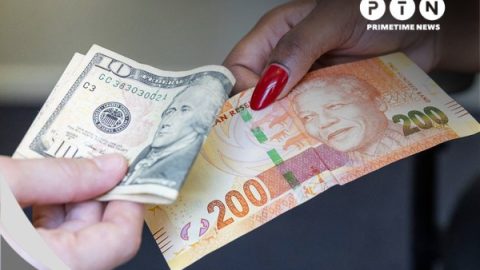

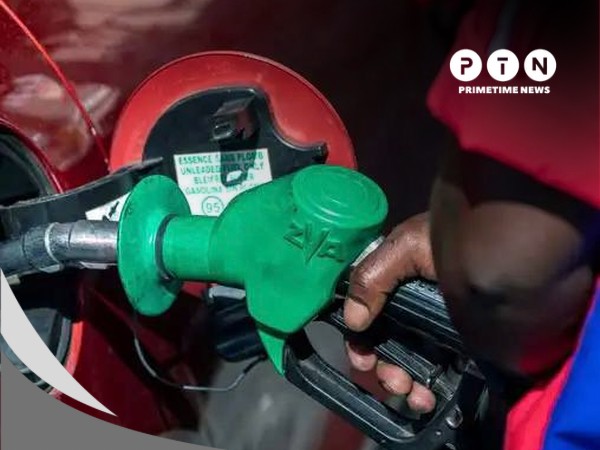
South Africa is on the brink of a historic fuel‑price milestone: the inland price of Unleaded 95 could rise to R30.04 per litre in October 2026. The figure would break the long‑standing R30 barrier and has already ignited a wave of frustration across the country.
Why the price is set to surge
The Central Energy Fund (CEF) released its latest price‑review data on 28 September 2026, showing a significant under‑recovery for every fuel grade. An under‑recovery occurs when the cost of importing, refining and distributing fuel exceeds the current pump price, forcing the government to adjust the levy or risk a loss for fuel marketers.
Three main forces are driving the under‑recovery:
- Higher global oil prices. Brent crude has hovered above US$85 a barrel for weeks, a level not seen since early 2022. The rise adds roughly R2.78‑R3.43 per litre to the cost base for South African fuels.
- Rand weakness. Although the rand has marginally strengthened against the dollar in recent weeks, the gain only trims a few cents off the under‑recovery, leaving the bulk of the pressure intact.
- Existing fuel levies. The current fuel levy, which makes up about 50 % of the retail price, remains unchanged. Without a temporary suspension or reduction, the levy will pass the full under‑recovery onto consumers.
If the slate levy stays as it is, inland Unleaded 95 would climb to R30.04 per litre, while coastal stations would see a slightly lower price of R29.17 per litre. The present inland record, set in June 2026, stands at R28.06 per litre, itself a new high after the July 2022 spike caused by the Russia‑Ukraine war.
Diesel follows the same upward trend
Wholesale diesel is not immune. The 50 ppm grade recorded an under‑recovery of R3.13 per litre. Applying the full shortfall would lift inland wholesale diesel to roughly R33.09 per litre, nudging past the September 2026 record of R33.05. Diesel price hikes are especially painful for logistics firms, which already grapple with rising freight costs and driver shortages.
Public reaction: anger and calls for relief
South Africans have taken to social media to vent their displeasure. One user wrote, “We know the government is screwing us. The amount of tax and levies on fuel in this country is an unnecessary burden on consumers.” Another added, “It is not the oil price killing the consumer; it is the ANC government’s incompetence and greed.” The sentiment is echoed across platforms, with many pointing to the double impact of a weak rand and heavy duties.
These frustrations are documented in a recent piece on South Africans’ frustration over rising petrol prices, which highlights how the fuel levy has become a political flashpoint.
Labor federation COSATU has also entered the debate, urging the government to temporarily suspend part of the fuel levy. COSATU argues that the recent price hikes, especially those on 2 September 2026, are unsustainable for low‑income households that already spend a large share of their income on transport.
What the government could do
Policy options are limited but not nonexistent. The Treasury could reduce the fuel levy for a set period, as it did briefly during the 2020 pandemic. Alternatively, the CEF could adjust the “slate” – the baseline price used to calculate the levy – to reflect the higher global oil price, thereby softening the impact on the pump.
Another lever is the exchange‑rate policy. A stronger rand would lower the dollar‑denominated cost of imported crude, but achieving a sustained appreciation requires macro‑economic stability that remains elusive amid high inflation and fiscal deficits.
In the short term, motorists may resort to car‑pooling, using public transport, or even switching to alternative fuels where available. The rise in fuel cost also threatens to accelerate the adoption of electric vehicles, although charging infrastructure is still uneven across the country.
Broader implications for the economy
Transport costs feed directly into the price of goods and services. A R30‑plus litre of petrol could add up to R1 500‑R2 000 per year for an average commuter, and the ripple effect could push inflation higher, prompting the Reserve Bank to consider further interest‑rate hikes.
Small businesses, especially those reliant on delivery vans, may see profit margins squeezed, potentially leading to job cuts or reduced hours. The tourism sector, a significant earner of foreign exchange, could also feel the pinch as tourists confront higher fuel prices during road trips.
While the government wrestles with these challenges, everyday South Africans continue to navigate the practicalities of daily life. For instance, the recent taxi shot at in Amawoti, then crashes into a municipal truck reminded commuters that safety and cost are both pressing concerns on South Africa’s roads.
In summary, the looming breach of the R30 barrier is more than a headline; it is a symptom of global market volatility, currency weakness, and a levy structure that leaves little room for cushioning shocks. Whether the government will intervene or let market forces dictate the next price hike remains to be seen, but the public’s frustration is unmistakable.