

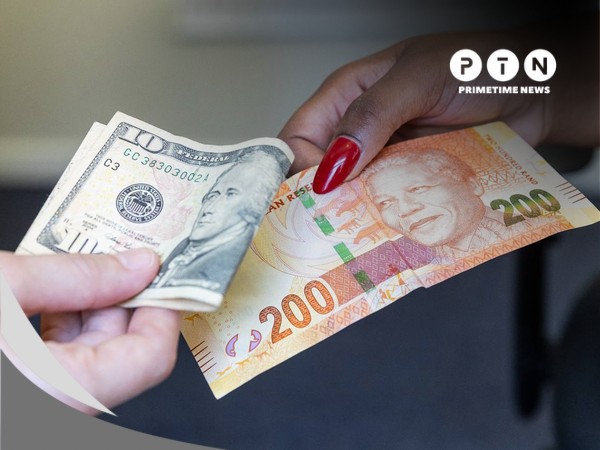
On Thursday, 1 October 2026, South Africa’s rand displayed a calm front against the world’s major currencies. The reference snapshot released by the South African Reserve Bank (SARB) listed the US dollar at R16.42, the euro at R18.60 and the British pound at R21.78. While these figures are rounded indicators, they give a clear picture of where the rand stands at the start of the fourth quarter.
Understanding the Reference Snapshot
The SARB’s daily reference rates are compiled from a basket of inter‑bank transactions and serve as a benchmark for banks, currency bureaus and card issuers. They are not the exact price you will pay; providers add their own spreads and fees, which can shift the final amount you receive or pay. Nevertheless, the snapshot is a reliable barometer for market sentiment and is closely watched by traders, businesses and everyday South Africans.
Why the Rates Stayed Flat
Although the quoted values did not change from the previous day’s snapshot, the market was far from idle. The lack of movement in the rounded figures simply means that any fluctuations were smaller than the one‑cent rounding threshold. Behind the scenes, traders responded to a mix of domestic and global cues:
- Commodity prices: South Africa’s export earnings are heavily tied to gold, platinum and manganese. A modest rebound in metal prices this week helped support the rand.
- Interest‑rate expectations: SARB’s recent policy meeting hinted at a possible rate hike later in the year, a signal that can attract foreign capital and bolster the currency.
- Global risk appetite: The US dollar index eased slightly after the Federal Reserve’s latest minutes, reducing pressure on emerging‑market currencies like the rand.
These dynamics kept the rand anchored, resulting in the steady R16.42 per dollar reading.
Practical Impact on South Africans
Exchange rates ripple through many aspects of daily life. Here are the key areas where today’s figures matter:
- Imported goods: A stronger rand lowers the cost of imported food, electronics and fuel, which can temper inflationary pressures.
- Travel abroad: South Africans planning a European vacation will find the euro at R18.60 slightly cheaper than a month ago, stretching holiday budgets.
- International tuition and subscriptions: Students paying for overseas university fees or streaming services denominated in dollars or pounds will see marginally lower bills.
- Remittances: Workers sending money home from the UK or the US benefit from a favourable conversion rate, increasing the amount received in rand.
For a detailed, up‑to‑date view of the rates, consult the official exchange‑rate table published by EBNewsDaily.
Historical Perspective and Future Outlook
Compared with the same period last year, the rand has appreciated by roughly 4 %. In October 2025, the dollar hovered around R17.10, meaning today’s R16.42 reflects a modest but meaningful gain. This appreciation aligns with a broader trend of emerging‑market currencies strengthening as global investors seek higher yields.
Looking ahead, analysts point to three variables that could sway the rand’s trajectory:
- Domestic fiscal policy: The upcoming national budget will outline spending priorities and may affect confidence in the rand.
- Global commodity demand: A slowdown in Chinese manufacturing could dent metal prices, weakening the rand’s export earnings.
- Monetary policy timing: If SARB moves faster than expected on interest rates, the rand could see a sharper rise; a delay might expose it to external headwinds.
Investors and consumers alike should monitor these factors, as they will shape the currency’s performance through the remainder of 2026.
Beyond the Numbers: A Reminder of Everyday Stories
While exchange rates dominate headlines, they also intersect with human stories across South Africa. For instance, the recent Boksburg couple’s tragic case reminded the nation of the importance of timely financial assistance and legal clarity, issues that can be affected by cross‑border payments and currency fluctuations.
In a country where many families rely on remittances from abroad, a stable rand can provide a small but significant cushion against economic uncertainty.
Overall, Thursday’s snapshot paints a picture of a resilient rand navigating a complex global environment. While the rounded figures may appear static, the underlying market activity suggests a currency that is responsive, yet currently balanced. South Africans can take modest comfort in the stability, especially as they plan purchases, travel or financial commitments that hinge on foreign exchange rates.