

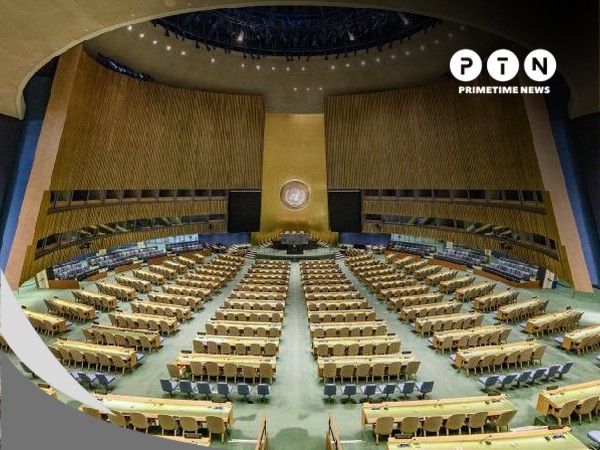
The United Nations General Assembly will gather on Monday in New York to commemorate 25 years since the adoption of the Durban Anti‑Racism Declaration. The milestone marks the anniversary of the 2001 World Conference Against Racism held in Durban, KwaZulu‑Natal, which produced a comprehensive global framework to combat racism, xenophobia and related intolerance.
Why Durban Still Matters for South Africa
Adopted just seven years after the official end of apartheid, the declaration holds a special resonance for South Africa. It was the first time a nation that had recently dismantled a legally‑enforced racial system helped shape an international blueprint for equality. Over 180 governments signed the document, and the conference attracted more than 1.5 million participants, ranging from civil‑society groups to intergovernmental organisations.
Assessing Two‑And‑A‑Half Decades of Progress
The high‑level UNGA session will feature speeches from Secretary‑General António Guterres and South Africa’s International Relations and Cooperation Minister Ronald Lamola, among others. They will examine where the world has succeeded – such as the incorporation of anti‑racism clauses into the Sustainable Development Goals and the ratification of the International Convention on the Elimination of All Forms of Racial Discrimination by most UN members – and where it has fallen short.
Key indicators reveal a mixed picture. While overt legal segregation has largely disappeared, racial disparities persist in education, employment and access to health services across many continents. In South Africa, the Gini coefficient remains one of the world’s highest, and recent statistics show that Black South Africans still earn, on average, less than half of their White counterparts.
Moreover, the rise of hate crimes linked to migration has intensified. The UN’s 2022 report on xenophobia recorded spikes in attacks against African migrants in Europe and the Middle East, echoing concerns raised in Durban’s original Programme of Action.
New Frontiers of Discrimination: Technology and AI
One of the most alarming findings presented at the meeting is the way emerging technologies are creating fresh pathways for bias. A 2023 UN study warned that artificial‑intelligence algorithms used in hiring, policing and credit scoring often replicate historic prejudices because they are trained on skewed data sets. This digital dimension was not imagined in 2001, yet it now threatens to undermine the very goals of the declaration.
Experts at the assembly will discuss concrete steps, such as establishing global standards for algorithmic transparency and funding research into AI ethics in the Global South. South Africa’s own National Department of Communications has already launched a pilot programme to audit government‑run AI tools for racial bias.
Civil Society’s Role and the Call for a Renewed Political Declaration
Beyond governments, the day‑long gathering will give space to NGOs, academic bodies and grassroots movements that have been at the forefront of anti‑racism work since Durban. Representatives from the African National Congress’s Women’s League, the South African Human Rights Commission and international groups like Amnesty International will share testimonies of both triumph and ongoing struggle.
At the close of the session, member states are expected to adopt a fresh political declaration that re‑affirms commitments made a quarter‑century ago while integrating new priorities such as digital rights, climate justice and intersectional discrimination. The renewed pledge aims to translate rhetoric into actionable policies, including targeted funding for education programmes that address racial stereotypes and the creation of an independent UN monitoring body on AI‑related bias.
Looking Ahead: South Africa’s Leadership Potential
South Africa is uniquely positioned to champion the next phase of the Durban agenda. Its constitutional commitment to equality, combined with its experience navigating post‑apartheid transformation, offers valuable lessons for other nations grappling with systemic racism. Minister Lamola has hinted at a possible South‑African‑hosted summit in 2027 to review the implementation of the new declaration, signalling a proactive stance.
For readers interested in how South Africa continues to make headlines on the world stage, the nation’s sporting successes also provide a unifying narrative. The recent cricket triumph, highlighted in Temba Bavuma, David Miller Centuries Seal SA Pink ODI Win, showcases the power of sport to bridge divides and inspire national pride.
To explore more about the historic moment being commemorated, see the 25‑year anniversary of the Durban anti‑racism declaration coverage by SABC News.
As the UNGA convenes, the world will watch whether the Durban Anti‑Racism Declaration can evolve from a seminal document into a living, enforceable framework that tackles both age‑old prejudices and the novel challenges of the digital era.