
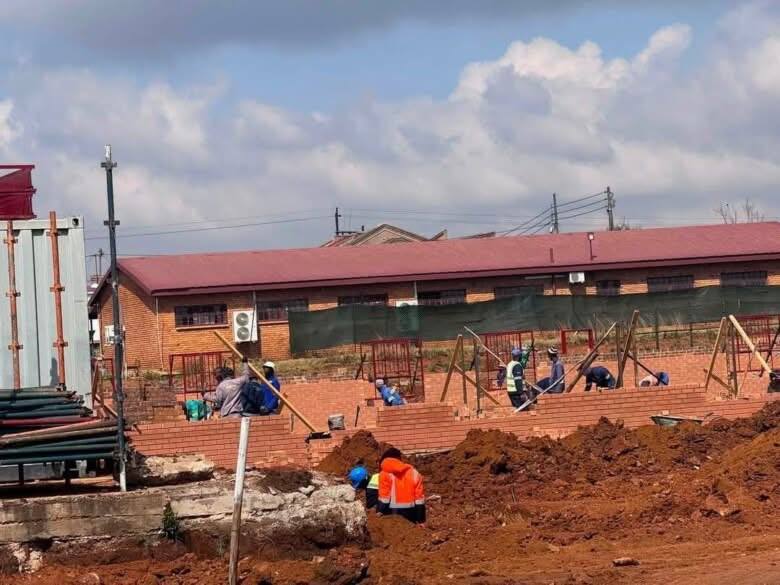
The Department of Education’s flagship project in the Eastern Cape is gaining steam. Twenty‑one brand‑new classrooms are being erected at Setsheng Secondary School in the small town of Balfour, and officials have rolled out an acceleration plan to keep the work on schedule.
Why the rush? – Meeting urgent demand for space
Setsheng has long struggled with overcrowded classrooms, a problem echoed across many South African schools. According to the latest provincial education statistics, the Eastern Cape records an average classroom occupancy of 38 learners, well above the national recommended limit of 30. By adding 21 modern teaching spaces, the school will be able to reduce class sizes, improve teacher‑student interaction and comply with the Department’s learner‑to‑teacher ratio targets.
Site visit by provincial leaders
On the day of the visit, MEC for Education Thulasizwe Thomo arrived with senior officials from the Department’s infrastructure unit. Their agenda centred on reviewing progress, identifying bottlenecks and reinforcing the newly‑adopted acceleration strategy. The team walked the construction site, inspected the foundations of the upcoming blocks and met with the contractor’s foreman to discuss safety protocols and delivery timelines.
“We are committed to delivering a high‑quality learning environment on time,” said MEC Thomo. “Regular progress meetings will help us stay aligned with milestones, troubleshoot any setbacks early, and keep the project’s momentum.”
Beyond classrooms – a full‑scale learning hub
While the headline figure is the 21 new classrooms, the upgrade package is far more comprehensive. The finished school will also feature:
- A multipurpose hall capable of hosting assemblies, sports events and community gatherings, addressing the current lack of a suitable indoor venue.
- A state‑of‑the‑art library stocked with digital and print resources, supporting the provincial goal of increasing reading proficiency by 15 % over the next five years.
- A fully equipped science laboratory, enabling hands‑on experimentation for grades 10‑12, a critical component for the national STEM push.
- A nutrition centre that will provide daily meals to learners, aligning with the National School Nutrition Programme’s aim to improve student health and attendance.
- Additional support facilities such as upgraded sanitation blocks, staff rooms and a security office, all built to meet the latest occupational health and safety standards.
These ancillary structures are designed to create an ecosystem where learners can thrive academically, physically and socially.
Funding, timelines and accountability
The construction is funded through a combination of provincial budget allocations and the national infrastructure stimulus package introduced in 2022. The total investment is estimated at R45 million, a figure that reflects both the scale of the build and the inclusion of high‑tech laboratory equipment.
Project managers have broken the work into four key phases: site preparation, structural works, internal fit‑out and final commissioning. The acceleration plan adds a two‑week overlap between phases, allowing, for example, electrical wiring to begin while concrete walls are still curing. This parallel‑processing approach is expected to shave roughly three months off the original timetable.
To ensure transparency, the Department has committed to publishing monthly progress reports on its website and holding quarterly stakeholder forums that include parents, teachers and local council representatives.
Impact on the Balfour community
Local residents anticipate that the upgraded school will become a catalyst for broader community development. The multipurpose hall, for instance, is slated to be available for adult education classes, job‑training workshops and cultural events, thereby extending the benefits of the investment beyond the student body.
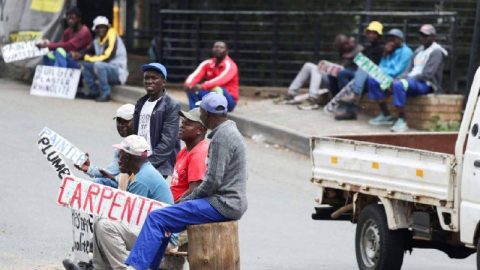
Moreover, the construction phase itself has generated temporary employment for skilled and unskilled workers from Balfour and surrounding villages, injecting much‑needed income into the local economy.
Education experts warn that infrastructure alone does not guarantee improved outcomes, but when paired with qualified teachers and robust curricula, modern facilities can dramatically raise learner achievement. Early‑year pilot projects in the Eastern Cape have shown a 12 % increase in pass rates where schools received similar upgrades.
Looking ahead
With the acceleration plan now in effect, the Department expects the new classrooms and supporting amenities to be ready for the 2027 academic year. Once completed, Setsheng Secondary will stand as a model of how targeted infrastructure investment, combined with diligent oversight, can transform educational landscapes in rural South Africa.
Stakeholders remain vigilant, however, acknowledging that unforeseen challenges—such as supply‑chain disruptions or extreme weather—could still arise. Continuous monitoring, flexible scheduling and community involvement are the pillars that will keep the project on track and ensure that the promise of new classrooms at Setsheng becomes a lasting reality.