

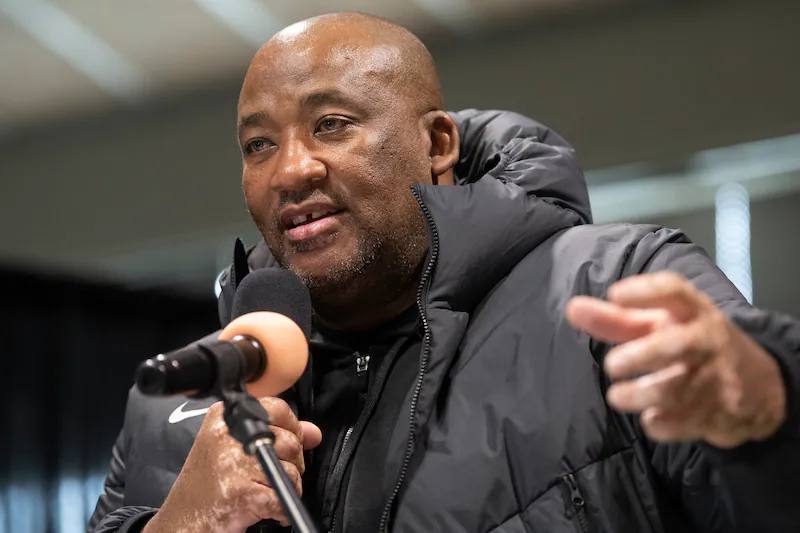
When media personality Bonang Matheba asked whether Minister of Sport, Arts and Culture Gayton McKenzie was putting too much energy into attracting big‑name international acts, the question struck a chord across the country’s cultural landscape. The debate pits the allure of global spectacles against the pressing need to nurture home‑grown talent, and it raises fundamental questions about how public money should be spent in the arts.
Why McKenzie’s Vision Captivates Some
Since his appointment in 2023, McKenzie has championed a strategy that mirrors South Africa’s past successes with mega‑events. The 2010 FIFA World Cup, for instance, injected roughly R10‑billion into infrastructure, tourism and job creation. Proponents argue that a similar approach—inviting world‑renowned musicians, theatre companies and sports exhibitions—could revive a tourism sector still reeling from the pandemic’s fallout.
Economic impact studies routinely highlight the multiplier effect of large‑scale events. A 2019 report by the Department of Trade, Industry and Competition estimated that every rand spent on international cultural events could generate up to three rand in ancillary spending, thanks to hotel bookings, restaurant visits and local transport usage. Moreover, high‑profile shows often receive global media coverage, positioning South Africa as a vibrant cultural hub and potentially attracting foreign investment.
The Counter‑Argument: Strengthening the Local Creative Ecosystem
Critics, led by Matheba’s outspoken remarks, contend that the country’s domestic artists are being left to fend for themselves. South Africa’s creative industry contributes roughly 1.2% to the national GDP, yet it struggles with inconsistent funding, limited venue capacity and inadequate intellectual‑property protection. A 2022 survey by the National Arts Council found that 68% of emerging artists felt “chronically under‑funded,” and many cited a lack of reliable state support as a barrier to professional growth.
Matheba argues that before allocating tax‑payer money to foreign acts, the government should prioritize building a robust infrastructure for local creators. This includes expanding community arts centres, guaranteeing fair royalties, and establishing a transparent grant system that reaches townships and rural areas alike. She points out that the success of South African music legends—such as Hugh Masekela, Miriam Makeba and contemporary stars like Black Coffee—was largely driven by grassroots support rather than imported spectacles.
Balancing Act: Can Both Goals Co‑exist?
Some industry insiders suggest a hybrid model. By pairing international headliners with local opening acts, the government could create mentorship opportunities and expose South African talent to wider audiences. The 2022 Coachella South Africa pilot, though ultimately cancelled, was designed to feature a mix of global and regional performers, illustrating how collaborative programming might work.
Furthermore, revenue generated from ticket sales and sponsorships for international events could be earmarked for a dedicated arts‑development fund. This approach would mirror the “legacy fund” model used after the 2010 World Cup, where a portion of profits was funneled into sports facilities and community programmes.
Political and Legal Context
The conversation around arts funding cannot be divorced from broader governance issues. Recently, the suspended organised crime sergeant Fannie Nkosi’s case was postponed, highlighting ongoing concerns about accountability within public institutions. Transparency in how cultural budgets are allocated is therefore under heightened scrutiny, and any perceived mismanagement could erode public trust.
McKenzie’s background as a businessman and former entrepreneur also informs his approach. He has repeatedly emphasized the need for South Africa to “think like a global city,” arguing that cultural tourism is a key driver of economic diversification. Yet his critics warn that without a solid domestic foundation, the country risks becoming a stage for foreign profit rather than a catalyst for local empowerment.
Where Do We Go From Here?
The debate is far from settled, and public opinion remains divided. A recent poll conducted by TimesLIVE revealed that 54% of respondents believe the government should focus more on developing local talent, while 38% think international events are essential for economic growth. The remaining 8% were undecided, indicating a nuanced audience that weighs both cultural pride and economic pragmatism.
What is clear is that any sustainable policy will need to address the twin pillars of funding and exposure. Strengthening the creative ecosystem—through better grant structures, improved venue infrastructure and stronger IP protections—will ensure that when international acts do grace South African stages, they do so alongside thriving local artists who can reap the benefits.
Ultimately, the question is not whether Gayton McKenzie’s international events are misplaced, but how they can be integrated into a broader strategy that elevates South Africa’s own cultural voice while still capitalising on the economic windfalls that global spectacles can bring.