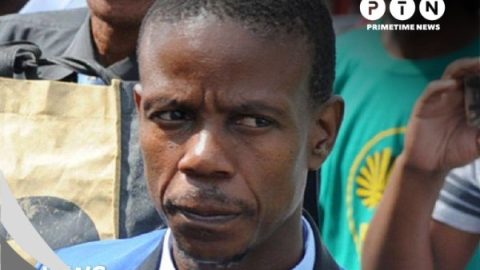

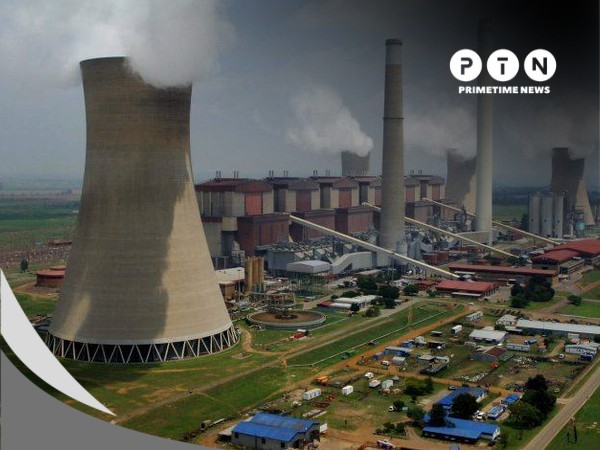
South Africa’s energy minister Kgosientsho Ramokgopa announced on Friday that Mteto Nyati’s tenure as chairman of state utility Eskom will be extended for another three years, starting 1 November. The decision comes after the utility recorded more than 490 consecutive days without the dreaded load‑shedding, a milestone that has been absent since the 2022 crisis.
Why the Extension Matters
When Nyati took the helm in 2023, Eskom was grappling with near‑daily power cuts that crippled manufacturing, strained small businesses and sparked widespread public frustration. The utility’s financial health was equally precarious, with successive government bailouts inflating the national debt and prompting calls for a radical overhaul.
Under Nyati’s leadership, Eskom not only halted the roll‑out of load‑shedding but also posted a second consecutive profit for the 2026 financial year. Those results convinced the cabinet that “if it ain’t broken, why fix it,” a sentiment echoed by Ramokgopa during the press briefing.
Nyati’s Track Record and Industry Experience
Before joining Eskom, Nyati built a reputation as a turnaround specialist, most notably as chief executive of Telkom SA and as a senior executive at the National Treasury. His background in telecom infrastructure gave him insight into large‑scale network management, a skill set that proved valuable when Eskom needed to stabilise its generation fleet and improve maintenance regimes.
Nyati also championed the introduction of a more transparent procurement process, reducing the scope for corruption that had plagued previous contracts. These reforms helped restore investor confidence, paving the way for private capital to consider independent power producer (IPP) projects alongside the state monopoly.
Financial Relief and Future Tariff Policy
Ramokgopa confirmed that the government will no longer provide emergency bailouts to Eskom, signalling a shift toward fiscal discipline. Moreover, the minister ruled out any double‑digit electricity tariff hikes for the foreseeable future, a promise that eases household budgeting pressures and supports the competitiveness of South African exporters.
To sustain the utility’s improved performance, Eskom is expected to focus on cost‑reduction initiatives, such as optimising coal‑plant operations and accelerating the de‑commissioning of aging units. The utility also plans to increase its renewable energy footprint, targeting an additional 5 GW of solar and wind capacity by 2030.
Implications for the Wider Economy
Reliable electricity is a prerequisite for industrial growth. The end of load‑shedding has already boosted confidence among manufacturers, who report higher output rates and lower overtime costs. Analysts predict that the stability could add up to R30 billion to GDP over the next three years, according to a recent government decision to extend Nyati’s term.
In addition, the utility’s improved financial standing is expected to open doors for new entrants in the electricity market. The Department of Mineral Resources and Energy is drafting legislation that will allow IPPs to compete for a larger share of the generation mix, fostering competition that could drive down prices in the long run.
Legal and Governance Context
Nyati’s reappointment also underscores the government’s commitment to continuity in governance. Recent court rulings, such as the one ordering a Sandton clinic to return a financed Porsche after Capitec cancelled an instalment agreement, illustrate how South Africa’s legal system is increasingly holding private entities accountable for financial mismanagement. The principle of accountability resonates with Eskom’s own need to demonstrate responsible stewardship of public funds, a theme highlighted in the court order involving the clinic.
By keeping Nyati at the helm, the cabinet signals that it values proven leadership over experimental changes during a period of recovery. The board’s renewed mandate is expected to focus on three core pillars: maintaining supply reliability, fostering investment in clean energy, and ensuring transparent financial reporting.
Overall, the extension of Mteto Nyati’s term marks a pivotal moment for Eskom and South Africa’s power sector. With load‑shedding behind it, the utility now faces the challenge of sustaining performance, attracting private capital, and transitioning to a greener energy mix. If the current trajectory holds, the country could finally emerge from the darkness that has haunted its economy for years.