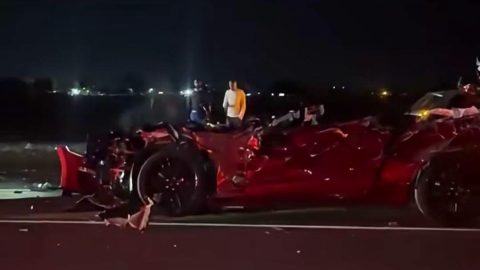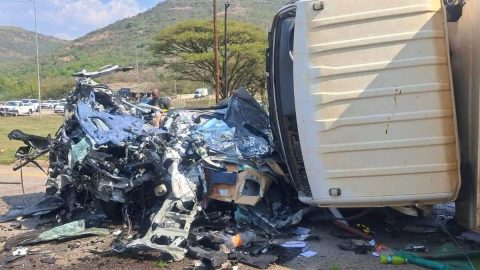


Johannesburg – Road rage has become a deadly scourge on South African roads, transforming minor traffic disputes into incidents of murder, attempted murder, and grievous bodily harm that devastate innocent motorists, passengers, families, and bystanders.
National crime statistics reveal the scale of the problem. In the third quarter of 2021-2022, arguments, misunderstandings, road rage, and provocation accounted for 1,151 murders, 1,215 attempted murders, and 21,188 cases of grievous bodily harm. These figures placed such incidents among the leading categories for murders during that period. More recent data from October to December 2025 shows misunderstandings, arguments, road rage, and provocation as the single highest cause of murders, with 1,158 people killed. An additional 33 people died while attempting to intervene or defuse these confrontations.
The violence frequently erupts from seemingly trivial events such as perceived slights, minor collisions, or slow driving. In one documented case in April 2026 in Emmarentia, Johannesburg, a minor bumper-bashing incident escalated rapidly. A 48-year-old man was shot and killed, while his wife sustained critical injuries. Their children witnessed the entire confrontation, which involved an argument, a fist fight, and the use of firearms.
Similar fatal shootings linked to road rage have been reported in Durban and other parts of the country. The Automobile Association of South Africa has recorded multiple deadly incidents in recent years, highlighting how quickly everyday driving can turn lethal.
Studies confirm the widespread nature of aggressive driving. Research conducted in Durban by institutions including the MRC-UNISA Crime, Violence and Injury Lead Programme and the Accident Research Centre at the University of Natal found high rates of both victimisation and perpetration of road rage behaviours. These range from verbal abuse and threats to physical assaults. In one Johannesburg metropolitan survey, 63.6 percent of respondents reported experiencing anger directed at them while driving, with nearly all participants driving on a daily basis. Alarmingly, 47.7 percent of those incidents involved children present in the vehicles.
Perpetrators are predominantly male. The aggression not only endangers those directly involved but also innocent bystanders, pedestrians, cyclists, and other road users caught in erratic manoeuvres or sudden outbursts of violence.
South Africa’s overall road fatality statistics remain among the highest globally. In 2023, the country recorded 11,883 road fatalities across 10,180 fatal crashes. Pedestrians accounted for 45 percent of these deaths, many of whom are vulnerable to aggressive drivers speeding or driving recklessly. Males made up 76.5 percent of road fatalities, with a significant concentration of incidents occurring on weekends.
Historical estimates from the Medical Research Council have placed annual road deaths near 18,000, with around 150,000 serious injuries. While not every crash stems from rage, aggressive driving behaviours such as tailgating, sudden lane changes, speeding, and deliberate intimidation compound the dangers. Exploratory research in Durban showed that up to 95 percent of respondents had experienced aggressive behaviours as victims, while perpetration rates reached as high as 87 percent in some categories.
The human cost extends far beyond the immediate fatalities and injuries. Survivors and their families often endure long-term trauma, including anxiety, depression, and post-traumatic stress disorder. Children exposed to these violent episodes face emotional scarring and, in some cases, a normalisation of aggressive responses to frustration. Families lose breadwinners, face crippling medical bills, and experience prolonged economic hardship.
Road rage incidents also drive up insurance premiums due to resulting accidents and place additional strain on the healthcare system treating victims of firearm-related injuries and blunt force trauma. The easy access to firearms in many confrontations turns what might have been fist fights or verbal disputes into fatal shootings.
Innocent South Africans going about their daily commutes—families with children, pedestrians, and ordinary motorists—bear the brunt of this violence. They have no prior connection to the aggressors yet find themselves suddenly targeted. The enclosed environment of vehicles creates a sense of anonymity and reduced social restraint, allowing frustration to escalate rapidly into physical harm.
With road traffic injury mortality rates historically documented around 36.1 per 100,000 population, and under-reporting potentially masking even higher figures, road rage remains a preventable yet persistent contributor to death and serious injury across the country. The pattern of violence shows little sign of abating, continuing to claim lives and shatter families on South African roads.
WATCH: Madlanga Commission Hears Evidence of Alleged Cocaine Transaction Video Sent by Vusimuzi “Cat” Matlala to Medicare24 CEO Mike van Wyk
On 22 June 2026, the Madlanga Commission of Inquiry into Criminality, Political Interference and Corruption in the Criminal Justice System examined WhatsApp messages and a video as part of evidence involving Vusimuzi “Cat” Matlala and Mike van Wyk, CEO of Medicare24.
Evidence leader Advocate Matthew Chaskalson presented WhatsApp exchanges extracted from Matlala’s phone. On 6 April 2025 at 10:25, Matlala forwarded a video to van Wyk that he had received from a third party. The video showed five one-kilogram white bricks branded with the word “Prestige” and a crown logo being weighed.
Following the video, Matlala messaged van Wyk with the instruction: “Get me a good price.” Van Wyk responded with a voice note stating “we’ll go in at 250,” understood in context as R250,000 per kilogram. Further discussions in the chats referenced potential prices up to R350,000.
The bricks were later confirmed through forensic analysis as cocaine. The head of the SAPS Chemistry Section, Brigadier Allen, provided an information note confirming awareness of narcotics branded with “Prestige” and a crown symbol.
Van Wyk disputes receiving the video. In his statement or affidavit before the commission, he claimed he never received this WhatsApp video.
The third party who originally sent the video to Matlala has deposed an affidavit at the commission. Chats between Matlala and this third party, referenced on page 542 of the evidence bundle, show Matlala inquiring about the number of bricks and negotiating prices in the range of R350,000 to R300,000.
This evidence forms part of broader WhatsApp data presented from Matlala’s phone covering exchanges with van Wyk in 2025. A separate set of exchanges between van Wyk and suspended Ekurhuleni Metro Police Department deputy chief Julius Mkhwanazi was also referenced during proceedings.
Van Wyk was scheduled to testify on 22 June 2026 but did not appear. His lawyer, Sandy du Plessis, filed an application for postponement citing severe panic attacks that rendered him unfit to take the stand. The commission granted the request.
The Madlanga Commission was established following allegations from a police whistleblower. It is examining corruption in SAPS tenders, alleged infiltration of metro police, and related criminal activities. Matlala faces multiple charges and remains in custody. He has been linked to a controversial R360-million SAPS tender.
Previous testimony and evidence at the commission have detailed van Wyk’s business ties to Matlala through Medicare24 and other entities. This includes alleged involvement in memoranda of understanding with the Ekurhuleni Metro Police Department, discussions on police appointments, and other transactions.
Evidence leaders submitted that the chat chain demonstrates Matlala and van Wyk dealing in cocaine.
The commission continues to hear evidence on these and related matters involving high-ranking law enforcement figures and associated business networks.
Petty Crimes Including Wheel and Tyre Theft Continue to Affect Vehicle Owners Across South Africa
South Africa experiences high levels of property-related crimes, including theft out of or from motor vehicles. According to South African Police Service (SAPS) data for the third quarter of 2024-2025 (October to December 2024), there were 19,409 reported cases of theft out of or from motor vehicles. This category remains significant despite some quarterly fluctuations.
Vehicle-related thefts form part of broader property crime statistics. SAPS reports indicate that theft of motor vehicles and motorcycles numbered around 7,791 to 10,099 cases in various recent quarters, with daily averages for vehicle thefts cited in multiple periods ranging from approximately 63 to 85 vehicles per day nationally. Gauteng consistently accounts for a large share, such as over 52% of reported vehicle theft cases in Q1 2025 data.
Wheel, Rim, and Tyre Theft as a Specific Concern
Wheel and tyre theft has been documented as a growing issue, particularly in Johannesburg suburbs. Community alerts and reports from 2024 highlighted a massive increase in car wheel theft after dark in areas of the City of Johannesburg. Affected suburbs have included Fairlands, Northriding, Florida, Randpark Ridge, Weltevredenpark, and Honeydew.
Thieves often target wheels and tyres due to demand for parts on the black market. Specific recoveries illustrate the scale: in August 2022, police seized 410 stolen bakkie tyres valued at R3 million in one operation. In June 2022, stolen truck tyres worth an estimated R1.5 million were recovered in Cape Town. Another recovery involved SUV tyres valued at around R700,000.
These thefts frequently involve opportunistic or organized removal of all four wheels, leaving vehicles on blocks or damaged. Bakkies (light trucks) are commonly targeted alongside passenger cars, aligning with broader patterns where Toyota, Volkswagen, and Ford models feature prominently in theft statistics.
Broader Context of Petty Crimes
Petty and property crimes extend beyond wheels to include theft from vehicles, housebreaking, and common theft. The Victims of Crime Survey and SAPS data show housebreaking as a leading household crime. In 2024/25 reports, significant numbers of households experienced property crimes.
Theft out of motor vehicles is often opportunistic, with valuables visible from outside being prime targets. Nationally, property-related crimes constitute a notable portion of recorded serious crimes.
Daily Impacts on Innocent People
Vehicle owners face direct financial and practical consequences. Replacing wheels, rims, and tyres costs thousands of rands, with additional expenses for towing, repairs to suspension or body damage from vehicles being left unsupported, and potential insurance deductibles. Business owners relying on bakkies or delivery vehicles for daily operations experience disrupted livelihoods when vehicles are immobilized.
Commuters and families report altered routines due to fear of crime. Statistics South Africa surveys indicate that substantial percentages of households restrict activities: around 31.5% avoid open spaces, 19.9% limit children’s outdoor play, and many feel unsafe after dark (with only about 29-36% reporting feeling safe at night in some data).
Many victims do not report certain petty thefts, believing police action is limited or recovery unlikely. Insurance claims for vehicle parts theft add to administrative burdens. In urban areas like Johannesburg, Cape Town, and Durban, repeated incidents contribute to heightened vigilance, such as installing wheel locks, alarms, or parking in secured areas.
Provincial and National Patterns
Gauteng, KwaZulu-Natal, and the Western Cape record the highest volumes of vehicle-related crimes. Toyota models, including the Hilux, dominate theft lists, followed by VW Polo Vivo, Ford Ranger, and others, driven by parts demand and cross-border activities.
Hijackings and full vehicle thefts overlap with parts theft, with reports of 50-60+ incidents daily in peak periods, though some quarterly decreases have been noted in contact crimes. Petty crimes compound economic pressures in a country where unemployment and inequality are documented factors in crime discussions.
Responses and Prevention Facts
Vehicle tracking, wheel locks, and improved lighting are cited in security reports as measures owners adopt. Police recoveries demonstrate enforcement efforts, but the volume of incidents indicates ongoing challenges. SAPS quarterly releases track these trends, with property crimes forming part of community-reported data.
Innocent citizens, from daily commuters to small business operators, bear the repeated costs in time, money, and disrupted mobility. A single wheel theft can sideline a vehicle for days, affecting work attendance, school runs, and family logistics across South Africa. These patterns, drawn from official statistics and documented incidents, underscore the pervasive daily reality of such crimes.
Highway Patrol Apprehends Suspect and Recovers Hijacked Vehicle in Dramatic Chase at Nicolway Shopping Centre
Johannesburg, 22 June 2026 – In a swift and coordinated operation, members of the South African Police Service (SAPS) Highway Patrol successfully arrested one suspect and recovered a vehicle reported hijacked earlier in the day. The incident unfolded at Nicolway Shopping Centre in the afternoon, highlighting the effectiveness of rapid response tactics in combating vehicle hijackings in Gauteng.
According to police reports, Highway Patrol officers spotted a vehicle that matched the description of one circulated in connection with a hijacking incident in the Norwood area. Acting on the intelligence, the officers immediately initiated a pursuit. The suspects, aware of the police presence, attempted to evade capture but eventually brought the vehicle to a stop within the premises of the busy Nicolway Shopping Centre.
As the vehicle halted, approximately five occupants exited hastily and scattered in different directions on foot, seeking to disappear into the surrounding area. Police acted decisively, managing to apprehend one of the individuals during the foot chase. The remaining suspects, however, were able to evade immediate arrest despite the officers’ efforts to contain the situation.
The operation resulted in the full recovery of the hijacked vehicle, which was secured by police at the scene. A search of the vehicle yielded additional evidence in the form of signal jammers, devices commonly associated with sophisticated hijacking syndicates to disrupt tracking systems and communication during criminal activities. These items have been seized for further forensic analysis.
Authorities have emphasised that the search for the outstanding suspects remains active, with dedicated teams following up on leads generated from the incident. Investigations are ongoing to establish the full circumstances of the hijacking, the identities of those involved, and any potential links to broader criminal networks operating in the region.
This incident serves as a reminder of the persistent threat posed by vehicle hijackings in urban and suburban areas of Gauteng. Law enforcement agencies continue to urge motorists to remain vigilant, install reliable tracking devices, and report suspicious activities promptly. The successful recovery of the vehicle and the arrest of at least one suspect demonstrate the commitment of the SAPS Highway Patrol to disrupting such crimes and restoring stolen property to rightful owners.
Community members in the vicinity of Nicolway Shopping Centre and Norwood have been asked to cooperate with police by providing any relevant information that could assist in locating the fleeing suspects. No injuries were reported during the pursuit or apprehension, allowing authorities to focus on the investigative aspects without additional complications.
As details emerge, police have indicated that further updates will be provided as the case progresses. This operation underscores the importance of integrated policing strategies that combine intelligence, rapid response, and thorough follow-up in the fight against organised crime.