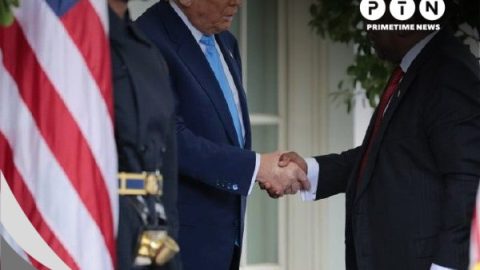


Ramaphosa defends Didiza independence as the impeachment court clash reaches a critical phase, with the president publicly asserting that the minister remains autonomous despite mounting legal challenges and political pressure.
The backdrop to this confrontation dates back to a series of parliamentary motions that sought to hold the executive accountable for alleged misconduct, prompting an interdict that sought to curb the minister’s ability to act independently. Ramaphosa defends Didiza, asserting that the president remains committed to her autonomy. Opposition parties have framed the interdict as an attack on democratic oversight, while the ruling party argues that it safeguards governance stability.
Legal scholars note that interdicts of this nature are rarely used to silence ministers, but rather to preserve the integrity of ongoing investigations. The interdict in question was sought by opposition lawmakers who claimed that the minister was obstructing a parliamentary inquiry that could lead to impeachment proceedings.
Ramaphosa defends Didiza in a televised address, emphasizing that the minister’s independence is essential for effective governance and that the legal process should not be politicised. He underscored that the constitution guarantees ministerial autonomy, and that any attempt to undermine it would set a dangerous precedent for future administrations.
Opposition leaders, however, slammed the president’s defence of the minister, Ramaphosa defends Didiza, arguing that the interdict effectively shields the minister from accountability. They contended that the decision not to oppose the interdict was a betrayal of democratic principles and an example of the ruling party’s willingness to bypass parliamentary scrutiny.
Didiza herself has stated that she will not oppose the interdict, a move that the opposition parties have described as a capitulation to the ruling party’s narrative. Her stance is portrayed by supporters as a commitment to the rule of law, while critics view it as an abandonment of her duty to challenge what they deem an unlawful restriction.
Ramaphosa defends Didiza by highlighting her track record of delivering on policy initiatives and her adherence to constitutional mandates. He reiterated that the minister’s decision to respect the interdict does not equate to a loss of independence, but rather demonstrates respect for judicial authority.
The impeachment court clash has now moved into a courtroom setting where legal arguments will be examined in detail. Observers note that the presence of the president’s defence of the minister adds a political dimension to what is fundamentally a legal dispute over the scope of parliamentary powers.
Ramaphosa defends Didiza amid impeachment clash
Legal analysts suggest that the outcome of the court case could reshape the balance between the legislative and executive branches. If the court upholds the interdict, it may empower opposition parties to pursue further impeachment actions, whereas a ruling in favour of the minister could solidify the executive’s stance on ministerial autonomy.
Public reaction has been mixed, with some citizens praising the president for defending the minister’s independence, while others echo the opposition’s concerns about unchecked authority. Social media discussions have highlighted the polarising nature of the debate, reflecting broader anxieties about corruption and governance.
Ramaphosa defends Didiza again in a press briefing, stating that the minister’s compliance with the interdict does not undermine her capacity to serve the nation. Ramaphosa defends Didiza, emphasizing that the courtroom proceedings are an essential part of democratic accountability, and that both sides must respect the rulings of the judiciary.
The political stakes are high, as the impeachment process could set a precedent for future disputes involving senior officials. The ruling party aims to project stability, while the opposition seeks to demonstrate that no official is above scrutiny.
In the coming weeks, the court is expected to deliver a judgment that will either affirm the interdict or overturn it. Stakeholders from both sides are preparing for the ramifications of the decision, which could influence legislative agendas and public trust in institutions.
Ramaphosa defends Didiza by framing the minister’s actions as consistent with constitutional values, Ramaphosa defends Didiza, urging citizens to focus on policy outcomes rather than partisan battles. He called for a constructive dialogue that respects both legal processes and democratic oversight.
Critics maintain that the president’s defence obscures the need for transparent investigations, and they warn that allowing the interdict to stand could erode parliamentary authority. The opposition parties have vowed to continue pressing for accountability regardless of the court’s ruling.
The impeachment court clash thus remains a focal point for South Africa’s democratic health, testing the resilience of its institutions and the willingness of leaders to balance authority with accountability. The final verdict will likely reverberate through the corridors of power and shape the political landscape for years to come.
Learn more about our newsroom on our About page.