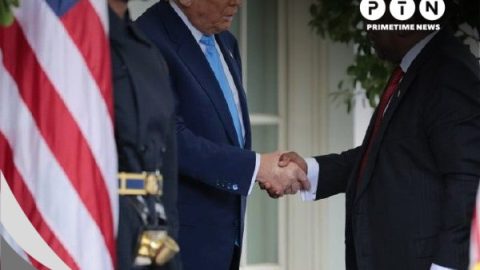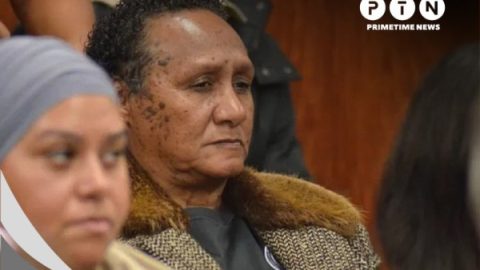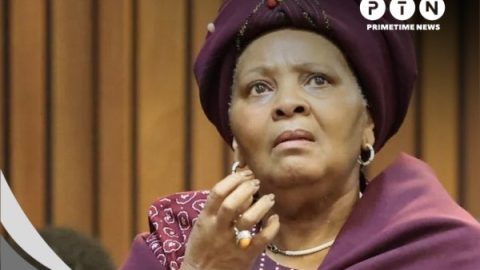


Sunday 21 June 2026 brought three headline‑making stories that dominated the political news cycle: Duduzile’s refusal to blame former president Zuma for recent unrest, the Democratic Alliance’s sharp criticism of the removal of a senior party official, and the murder of two municipal councillors. Together these events illustrate a volatile period for South African politics, with the Steehuisen removal controversy at the centre of internal party debates and public concern.
The Democratic Alliance, South Africa’s main opposition, has been navigating a series of leadership challenges since the mid‑term elections. Central to the latest dispute is the forced exit of a senior figure whose name has been linked to the party’s strategic planning unit. Party insiders argue that the decision was taken abruptly, bypassing normal procedures and causing friction among members who felt sidelined.
According to sources familiar with the internal discussions, the removal was justified by accusations of misconduct, yet no formal inquiry was made public. The DA’s federal council issued a terse statement, expressing disappointment but stopping short of naming individuals. Critics within the party seized the moment to amplify the Steehuisen removal controversy, suggesting that the move reflected deeper governance issues and a disconnect between the national leadership and provincial branches.
The controversy quickly moved beyond internal party channels, spilling into parliamentary debates and media commentary. Opposition MPs raised questions about transparency, while civil‑society organisations called for an independent review. The DA’s own youth wing organised a series of town‑hall meetings, urging members to demand accountability and to protect the party’s democratic credentials.
In the broader political landscape, the incident has revived discussions about the balance of power within South Africa’s multi‑party system. Analysts note that the DA’s handling of the Steehuisen removal controversy could influence voter perceptions ahead of the upcoming local elections, where municipal governance and service delivery remain pivotal issues for the electorate.
Steehuisen removal controversy escalates
Following the initial backlash, the party’s national leadership convened an emergency session to address the growing dissent. While no immediate reversal was announced, the meeting signalled a willingness to engage with dissatisfied factions. Observers pointed out that the controversy had effectively become a litmus test for the DA’s internal cohesion, with senior members weighing the potential political cost of a protracted dispute.
Opposition leaders from other parties seized the moment to criticise the DA’s internal turmoil, positioning themselves as advocates for stability. The ruling party, meanwhile, issued a measured response, noting that internal party matters are a private affair but urging all stakeholders to focus on national priorities, especially in light of recent security incidents.
The fallout from the Steehuisen removal controversy also impacted local governance structures. Several municipal councils reported delays in policy implementation, as senior officials redirected attention to internal party negotiations. This slowdown raised concerns among service‑delivery watchdogs, who warned that political distractions could exacerbate existing challenges in housing, water, and electricity provision.
DA criticism of party leadership
Within the Democratic Alliance, the removal episode sparked a broader critique of the party’s leadership style. Prominent voices called for a more inclusive decision‑making process, arguing that a top‑down approach alienates grassroots activists. The criticism echoed long‑standing grievances about centralisation, an issue that has resurfaced repeatedly in internal election cycles.
The party’s parliamentary caucus responded by outlining a series of procedural reforms, pledging greater transparency in future appointments and dismissals. While these proposals were welcomed by some members, others warned that without concrete implementation they risk becoming mere rhetoric, failing to address the underlying tensions that gave rise to the Steehuisen removal controversy.
Council murders shock nation
Parallel to the party dispute, the nation was shaken by the murder of two local councillors in the Eastern Cape. The victims, both serving on municipal committees focused on community development, were found dead in a suburban neighbourhood after an apparently targeted attack. Police investigations are ongoing, but early reports suggest the killings may be linked to local power struggles and graft allegations.
The murders have reignited debates about the safety of elected officials in South Africa’s municipal arenas. Civil‑society groups have called for urgent legislative reforms, demanding enhanced protection protocols and stricter penalties for attacks on public servants. The opposition parties, including the DA, have condemned the killings, accusing the government of failing to provide adequate security for those serving at the grassroots level.
Public reaction was swift, with dozens of citizens gathering outside the council chambers to lay wreaths and demand justice. Social media campaigns used the hashtag #ProtectOurCouncillors, amplifying calls for accountability and urging the police to expedite their investigations.
Duduzile’s stance on Zuma and broader implications
Amid the turbulence, former president Jacob Zuma’s name resurfaced when his daughter, Duduzile Zuma, addressed the media regarding recent unrest. She explicitly stated that she does not hold her father responsible for the tragedies that have unfolded, emphasising that the blame lies elsewhere. Her comments, though brief, added another layer to the already complex political discourse surrounding the DA’s internal dispute and the council murders.
Analysts suggest that Duduzile’s dismissal of her father’s involvement may be an attempt to defuse potential backlash, especially as the Zuma family continues to face legal scrutiny. The statement, while not directly connected to the Steehuisen removal controversy, nevertheless illustrates how personal narratives intersect with broader political dynamics in South Africa.
In summary, the events of 21 June 2026 underscore a period of intense political friction. The Steehuisen removal controversy has highlighted fractures within the Democratic Alliance, while the council murders have amplified concerns over security and governance at the municipal level. As the country looks ahead to upcoming elections, the ability of political parties to manage internal disputes and address public safety will likely shape voter sentiment and future policy directions.
Learn more about our newsroom on our About page.