
Discovery of a grim find in Moroka dam
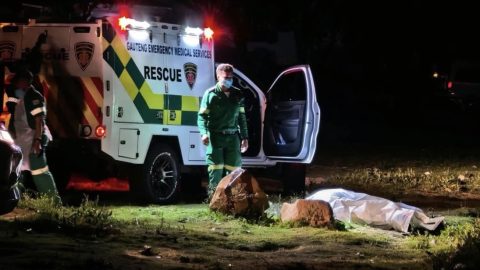
On Sunday afternoon, Gauteng police officers responding to a routine call stumbled upon a shocking scene at Moroka, a suburb of Soweto. A woman’s corpse, estimated to be in her early twenties, lay concealed beneath a white duvet inside the shallow waters of a local dam. The body had not been identified at the time of reporting, and investigators are still piecing together how the victim ended up there.
Police appeal for information
Following the discovery, the South African Police Service (SAPS) opened an inquest docket and issued a public appeal. Officers urged anyone with knowledge of the incident – whether a witness, a neighbour, or someone who may have seen suspicious activity near the dam – to come forward. Tips can be submitted at the nearest police station, via the dedicated crime‑stop line 08600 10111, or anonymously through the MySAPSApp.
Context of a growing crisis
This case marks the tenth known instance of a woman’s body being found wrapped in a duvet in the greater Johannesburg area, a pattern that has alarmed activists and policymakers alike. The tenth woman’s body found wrapped in a duvet in Soweto underscores a disturbing trend of gender‑based violence that has been documented across South Africa for years. According to the 2023 Gender Violence Report, femicide rates have risen by 12% since 2020, with many cases remaining unsolved.
Government response and specialised investigations
In response to the mounting pressure, the Interministerial Committee on Gender‑Based Violence and Femicide convened an emergency briefing on the series of deaths. Minister Sindisiwe Chikunga, who oversees women, youth and persons with disabilities, reiterated President Cyril Ramaphosa’s directive that these investigations receive the highest priority. A multidisciplinary team, now coordinated by the Deputy National Commissioner of Detective Services, has been tasked with pooling forensic, investigative and social‑service expertise to accelerate case resolution.
Parallel tragedies and national mourning
The ongoing saga of gender‑based crimes in South Africa is not isolated. Earlier this year, the nation was shaken by the Robert Wolk shooting, a high‑profile incident that sparked a broader conversation about safety at public events. While the contexts differ, both cases highlight systemic challenges in protecting vulnerable populations and ensuring swift justice.
What comes next?
Authorities have pledged to keep the public informed as the investigation unfolds. Forensic teams are currently analysing DNA evidence from the duvet and surrounding water, while detectives are reviewing CCTV footage from nearby streets and interviewing residents who may have heard unusual noises on the day of the discovery. Community leaders have called for increased patrols around vulnerable neighbourhoods and for educational programmes that address the root causes of gender‑based aggression.
As South Africa grapples with this unsettling pattern, the collective hope remains that a coordinated, well‑resourced response will not only bring closure to the families affected but also deter future atrocities. The call for information remains open, and anyone with relevant details is encouraged to reach out to SAPS without hesitation.