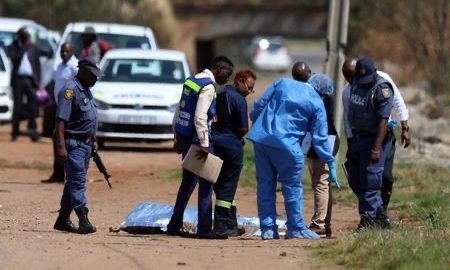


South Africa gun violence is increasingly being described as a public health emergency, with medical experts warning that the country’s high number of firearm-related deaths is placing enormous pressure on hospitals, emergency services and communities.
Researchers and healthcare professionals say South Africa gun violence should no longer be viewed solely as a policing issue. Instead, they argue that reducing firearm-related injuries and deaths requires stronger legislation, improved healthcare support and coordinated prevention strategies alongside effective law enforcement.
More Than 30 Firearm Deaths Every Day
One of the most alarming findings highlighted by health experts is the number of lives lost to South Africa gun violence each day.
According to researchers, more than 30 people die from firearm-related injuries every day in South Africa. Firearms were involved in nearly half of all murders recorded between 2020 and 2025, a sharp increase compared with previous years.
Experts say these figures illustrate the scale of the crisis and the urgent need for long-term interventions.
Why Experts Call It a Public Health Crisis
The debate around South Africa gun violence has expanded beyond crime statistics.
Researchers writing in the South African Medical Journal argue that gun violence has lasting consequences extending far beyond emergency treatment.
Survivors often experience:
- Permanent physical disabilities
- Psychological trauma
- Long-term rehabilitation needs
- Loss of income
- Family hardship
Healthcare professionals also report increasing levels of burnout after repeatedly treating victims of firearm violence.
Hospitals Under Growing Pressure
The impact of South Africa gun violence is placing additional strain on already stretched public hospitals.
Emergency departments and trauma units frequently deal with complex gunshot injuries requiring surgery, intensive care and lengthy rehabilitation.
Medical professionals say that while many patients survive their injuries, recovery can take months or even years, requiring ongoing medical and psychological support.
Communities Continue to Pay the Price
The effects of South Africa gun violence extend well beyond hospitals.
Communities affected by repeated shootings often experience:
- Fear and anxiety
- Reduced economic activity
- Mental health challenges
- Trauma among children
- Lower confidence in public safety
Experts say children exposed to repeated firearm violence are more likely to experience anxiety, depression and difficulty concentrating at school.
Calls for Stronger Firearm Control
Health experts believe reducing South Africa gun violence requires a combination of stricter enforcement and preventative measures.
Among the proposals are:
- Stronger enforcement of firearm legislation
- Improved firearm licensing oversight
- Better tracking of illegal firearms
- Hospital-based violence intervention programmes
- Expanded mental health services for victims
- Community-based violence prevention initiatives
Researchers argue that reducing access to illegal firearms could significantly reduce firearm-related deaths.
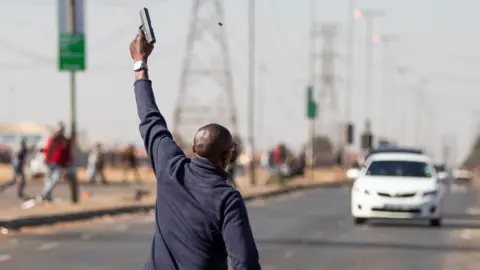
Healthcare Workers Also Need Support
Doctors, nurses and paramedics working in trauma centres are also affected by South Africa gun violence.
Researchers say repeated exposure to severe injuries contributes to:
- Emotional exhaustion
- Secondary trauma
- Burnout
- Higher staff turnover
Medical organisations are calling for additional psychological support for frontline healthcare workers.
Government Response
Government has acknowledged the seriousness of firearm-related crime.
During the 2026 State of the Nation Address, President Cyril Ramaphosa identified firearms and alcohol abuse as major drivers of violent crime and committed to strengthening measures aimed at reducing violence.
Police continue conducting operations targeting illegal firearms and organised criminal networks, while policymakers continue reviewing proposals related to firearm regulation.
What Can Be Done?
Experts believe addressing South Africa gun violence requires cooperation between government, healthcare providers, law enforcement agencies and communities.
Recommendations include:
- Strengthening policing.
- Improving firearm enforcement.
- Expanding victim support services.
- Investing in youth violence prevention.
- Addressing the underlying social and economic factors that contribute to violent crime.
Researchers argue that treating firearm violence as both a criminal justice and public health issue offers the best chance of reducing deaths over the long term.
Looking Ahead
The growing concern over South Africa gun violence has renewed calls for decisive action from policymakers, healthcare professionals and law enforcement agencies.
While police continue targeting violent offenders and illegal firearms, experts say sustainable progress will also depend on prevention, education, stronger healthcare support and effective implementation of existing firearm laws.
As debate continues, South Africa gun violence remains one of the country’s most pressing public safety and public health challenges.
Frequently Asked Questions
What is South Africa gun violence?
South Africa gun violence refers to firearm-related crime, shootings and deaths occurring across the country.
Why are experts calling it a public health crisis?
Experts say firearm injuries affect hospitals, healthcare workers, families and communities, making it more than a law enforcement issue.
How many firearm deaths occur each day?
Researchers estimate that more than 30 people die from firearm-related injuries every day in South Africa.
What solutions are being proposed?
Researchers recommend stronger firearm enforcement, improved mental health services, hospital-based violence intervention programmes and community prevention initiatives.
Is government taking action?
Government says it is continuing operations against illegal firearms while considering additional measures to reduce violent crime.