

In a dramatic and harrowing incident that has circulated widely on social media, villagers reportedly gathered to hunt a crocodile with the intention of cooking and consuming it, only for one participant to have his arm seized by the powerful reptile. Details remain limited and unconfirmed by official authorities, with the exact location alleged to be in Zimbabwe or a neighboring region in southern Africa. The event underscores the perennial risks associated with human-wildlife conflict in crocodile habitats.
According to circulating accounts, a group of villagers assembled for the hunt, a practice sometimes undertaken in rural communities for food, protein supplementation, or to address problem animals that threaten livestock, fishing, or human safety. As the operation unfolded near a river or water body, one villager came into close contact with the target crocodile. The animal reportedly clamped onto his arm in a sudden ambush, a classic predatory behavior. Fellow villagers are said to have intervened swiftly to free the man, though specific outcomes regarding injuries, the crocodile’s fate, or the victim’s full recovery have not been detailed in available reports.
Crocodiles: Formidable Predators and Persistent Threats
Nile crocodiles, prevalent across sub-Saharan Africa including major river systems like the Zambezi, Limpopo, and their tributaries, are among the largest and most dangerous crocodilians. Mature specimens can exceed 5 meters in length and weigh several hundred kilograms. They are apex ambush predators, relying on stealth, explosive short bursts of speed, and immense bite force to seize and subdue prey.
Human-crocodile encounters frequently occur in rural areas where communities depend on rivers and lakes for water, fishing, bathing, laundry, and crossing. Nile crocodiles are responsible for hundreds of attacks on humans annually across Africa, with estimates ranging from several hundred to potentially over 1,000 fatalities per year when including unreported cases in remote regions. Many attacks happen during routine activities rather than deliberate provocation.
Documented Dangers of Engaging with Crocodiles
Interacting with crocodiles, whether through hunting, fishing in shared waters, or swimming, carries well-established risks supported by wildlife data and survivor accounts. Crocodiles often employ a “death roll” technique after grabbing a limb or torso, using their powerful tails and body mass to twist and drown victims while tearing off body parts. Even non-fatal grabs can result in severe lacerations, crushed bones, massive blood loss, and infections from bacteria in the reptiles’ mouths.
Historical patterns show that larger crocodiles typically 3 to 5 meters long pose the greatest threat to adult humans. Attacks are not always predatory for food; they can stem from territorial defense, especially near nesting sites, or mistaken identity in murky water. In regions with high crocodile density, such as parts of the Zambezi River basin spanning several countries, communities report regular incidents, sometimes prompting organized hunts for man-eaters.
Swimming or wading in crocodile-infested waters amplifies danger significantly. Crocodiles can remain submerged and motionless for extended periods, lunging from below with little warning. Factors increasing risk include entering water at dawn, dusk, or night when crocodiles are most active; swimming alone or in groups near riverbanks, bends, or areas with vegetation; activities that create splashing or attract prey such as fishing or carrying meat; and proximity to known crocodile habitats without barriers or local warnings.
Even shallow or seemingly calm waters can harbor large specimens. Data from various African countries indicate that many victims are fishermen, women washing clothes, or children playing—activities integral to daily life but statistically hazardous.
Broader Context of Human-Wildlife Conflict
In many African nations, crocodile populations have recovered or remained stable in protected or remote areas, leading to ongoing overlap with expanding human settlements. Conservation efforts sometimes involve regulated hunting to manage problem animals and provide community benefits. However, informal village-led hunts, while culturally significant for protein or retribution, can escalate risks if participants lack specialized equipment, firearms, or expertise.
Survivors of crocodile attacks often describe rapid community response, forming human chains or using tools to pull victims free, as critical to survival. Medical intervention is essential afterward due to the high likelihood of infection and traumatic injury. Past incidents in the region have involved lost limbs, broken bones, and internal damage, mirroring the arm-grab scenario described.
Safety Recommendations Grounded in Fact
Wildlife experts consistently advise against unnecessary entry into crocodile habitats. Key precautions include heeding local knowledge and official warnings about infested waters; avoiding swimming, especially at night or in unfamiliar areas; using designated crossing points or bridges where available; employing proper hunting protocols, including experienced guides and appropriate weapons, during any legal control operations; and maintaining vigilance, as crocodiles can appear deceptively slow on land but are extremely fast in short aquatic bursts.
While the precise details of this latest alleged incident await confirmation, it aligns with recurring patterns documented across crocodile range states. Such events highlight the need for continued education, habitat management, and conflict mitigation strategies to protect both human lives and wildlife populations. Authorities in affected regions are urged to investigate and provide support to communities living alongside these ancient predators.
OTHER NEWS
Security Officer Fatally Shot During Robbery at Olievenhoutbosch Shopping Centre
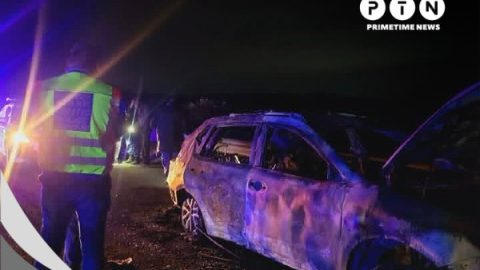
Olievenhoutbosch, Centurion – A security officer was killed in a shooting incident at a shopping centre in Olievenhoutbosch on Friday evening, 22 May 2026.
Emergency services responded to reports of gunfire shortly after 20:25. Upon arrival at the scene, emergency crews located the security officer in the parking area near the shopping centre exit. He had sustained fatal gunshot wounds and was declared deceased at the scene.
According to initial reports, the shooting took place in connection with an armed robbery at one of the fast food outlets inside the shopping centre. Witnesses in the vicinity reported hearing multiple gunshots, which triggered panic among shoppers and staff present at the time.
Despite several shots allegedly fired by the suspects during the incident, no other individuals sustained injuries. Emergency medical personnel confirmed that the only fatality was the security officer on duty.
The South African Police Service has initiated an active investigation into the circumstances of the robbery and the fatal shooting. At this stage, no arrests have been publicly confirmed, and details regarding the number of suspects, their descriptions, or any items taken during the robbery have not been released.
This incident occurred in a region that has seen previous reports of violent crime, including armed robberies at shopping complexes and related areas in Olievenhoutbosch over the years. Security officers routinely face high risks while protecting public spaces and businesses in Gauteng.
Organisations involved in the response included Scorpion Risk Services, Copwatch, Axon Security Group, the Olievenhoutbosch Community Police Forum, Gauteng Emergency Medical Services, Emer-G-Med, and the South African Police Service.
The death of the security officer highlights the ongoing dangers faced by private security personnel who are often the first line of response in such incidents. No name or further personal details of the deceased officer have been released publicly as of 24 May 2026.
Police continue to appeal for any information from the public that may assist in identifying and apprehending those responsible. The investigation remains ongoing, with forensic teams having processed the scene following the incident.