
Reckless Delivery Bike Riders Raise Road Safety Concerns Across South Africa
9 min read

Welcome back! Log in to keep reading without ads.
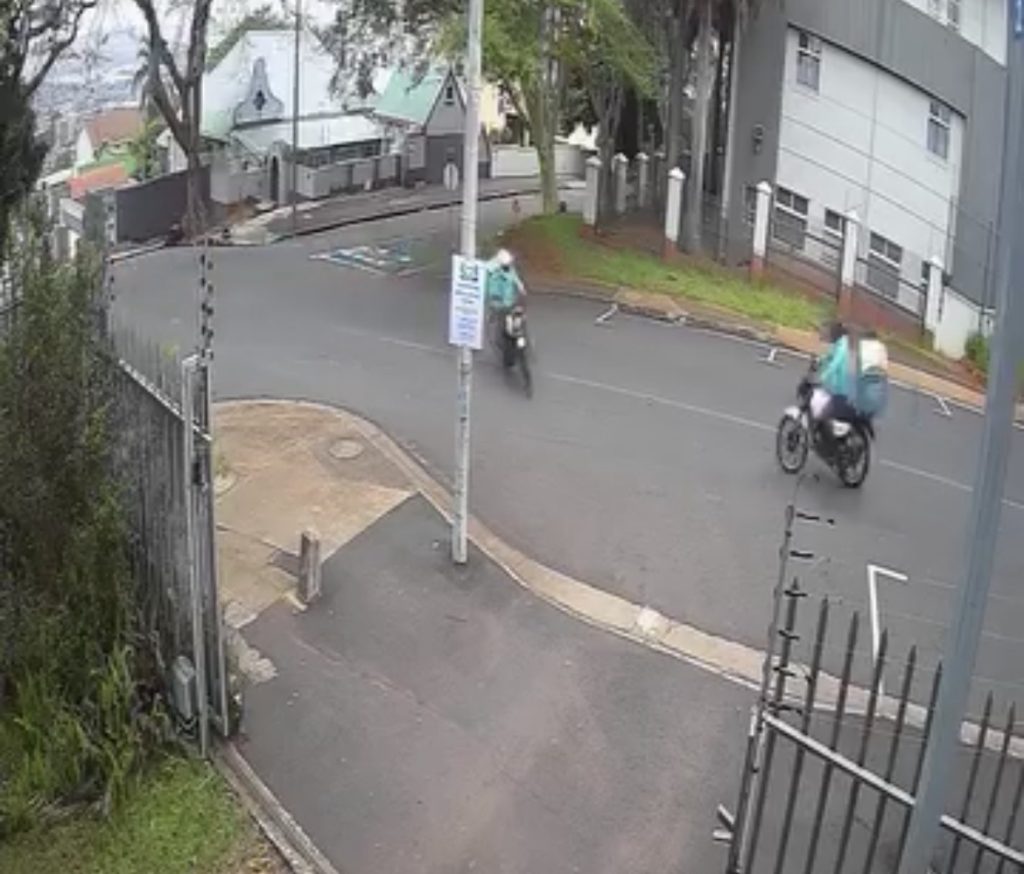
Delivery motorcycles have become an increasingly familiar sight on South African roads, with riders working for food delivery platforms and other businesses to transport orders to customers. However, concerns about reckless driving, dangerous overtaking and the failure to obey traffic rules have continued to draw attention to the safety of other road users.
Motorcycle delivery riders often work under pressure to complete multiple orders within a limited period. While this does not apply to every rider, dangerous driving by some delivery bikers has become a concern, particularly in busy urban areas where motorcycles share the road with taxis, private vehicles, pedestrians and cyclists.
Some of the behaviour that motorists have raised concerns about includes riders travelling between moving vehicles, overtaking in unsafe places, ignoring traffic signals, driving on pavements and using spaces not intended for motorcycles.
These actions can place the riders themselves and other road users at risk.
Reckless Driving and Traffic Violations
One of the biggest concerns is how some riders navigate congested roads. Motorcycles are smaller than most vehicles and can move through narrow spaces, but this does not give riders permission to disregard traffic regulations.
The Johannesburg Metropolitan Police Department (JMPD) raised concerns about these practices during enforcement operations in Rosebank in May 2025.
According to the department, officers had observed delivery motorcycles obstructing roads and pavements, parking illegally, speeding, weaving between vehicles and ignoring traffic signals.
On 13 May 2025, JMPD officers impounded 15 delivery motorcycles during an operation in the area. Ten riders were arrested for alleged contraventions of the Immigration Act, while another person was arrested on suspicion of dealing in cannabis.
The motorcycles were impounded for various violations, including obstruction and licensing-related offences.
JMPD spokesperson Superintendent Xolani Fihla said the operations were intended to improve road safety, ensure compliance with traffic regulations and protect pedestrians and motorists.
The department also called on delivery companies and platforms to ensure that riders operating on their behalf comply with the law.
The Rosebank operation highlighted concerns that extend beyond individual driving behaviour, including whether motorcycles are properly registered and whether riders have the necessary licences and documentation to operate legally.
Concerns About Licensing and Training
Another issue raised by road safety specialists is whether all delivery motorcycle riders have received adequate training and hold the correct licences.
In May 2024, Motorcycle Safety Institute of South Africa founder Hein Jonker raised concerns about the training and licensing standards within the delivery industry.
He questioned whether companies were properly checking the qualifications of people they allowed to operate motorcycles for commercial deliveries.
Motorcycle riding requires different skills from driving an ordinary motor vehicle. Riders need to understand how to control their motorcycles, maintain safe following distances, negotiate intersections and respond to hazards without the protection offered by a car’s bodywork.
A rider who has not received proper training may struggle to react appropriately when confronted with sudden braking, vehicles changing lanes or pedestrians entering the road.
There are also concerns about whether motorcycles are being maintained properly. Faulty brakes, worn tyres, broken lights and other mechanical problems can increase the likelihood of a collision.
These are not minor issues. A motorcycle has very little protection in a crash, meaning even a collision at relatively low speeds can result in serious injuries.
Delivery Deadlines and Pressure on Riders
The pressure associated with completing deliveries is another factor that has been raised by people familiar with the industry.
Delivery riders often work long shifts, travelling between restaurants, shopping centres, residential areas and other collection points throughout the day.
An investigation published by Eyewitness News in April 2026 highlighted the working conditions experienced by delivery drivers in South Africa.
The South African Motor Delivery Association (SAMDA) said some drivers work for up to 12 hours a day, with long working periods and limited opportunities for rest.
The association also raised concerns about the pressure created by delivery targets and the structure of app-based work.
Some riders are classified as independent contractors while operating under platform rules and schedules. Their ability to earn an income can depend on completing deliveries and remaining active on the platform.
This creates a difficult situation for riders who depend on delivery work to support themselves and their families.
However, tight deadlines and financial pressure cannot justify putting other road users in danger. A delivery arriving a few minutes earlier is never worth a serious accident.
The responsibility also cannot rest entirely on individual riders. Delivery platforms and companies have a role to play in ensuring that their working arrangements do not encourage unsafe behaviour.
Serious Accidents Involving Delivery Motorcycles
The risks associated with delivery motorcycles are not limited to traffic complaints and minor incidents.
In January 2025, a 30-year-old delivery rider died following a collision involving a motorcycle and two other vehicles on Camps Bay Drive in Cape Town.
The incident brought renewed attention to the dangers faced by delivery riders and the pressure associated with rapid delivery services.
A 2026 scoping review published in the Journal of Public Health in Africa examined research into delivery motorcycle crash injuries in South Africa.
The review included three studies involving 133 patients and documented 161 orthopaedic injuries.
The research examined cases from Cape Town, Tembisa and Pretoria. It found that delivery motorcycle crashes were associated with serious injuries, particularly fractures involving long bones and cases of multiple traumatic injuries.
Many of the patients required surgery, while the most serious cases involved intensive care admissions.
The findings demonstrate the significant medical consequences of motorcycle crashes involving delivery workers.
Although the research focused on injuries suffered by delivery riders rather than proving that reckless riding caused every collision, it provides an indication of the seriousness of the risks associated with this occupation.
Using Cellphones While Riding
The use of mobile phones while riding is another concern, particularly among delivery workers who rely on navigation applications to locate customers and collection points.
Some riders can be seen looking at their phones while travelling, checking delivery instructions or attempting to find an address.
South African road traffic regulations prohibit motorists and motorcycle riders from holding a cellphone or other communication device while driving on a public road.
Regulation 308A of the National Road Traffic Regulations, 2000, prohibits the use of a cellphone while driving unless the device is properly affixed to the vehicle or used through an approved hands-free arrangement.
For delivery riders, navigation should therefore be arranged in a way that does not require them to hold or operate a phone while moving.
Looking down at a screen, even briefly, can mean missing a traffic signal, failing to notice a vehicle braking ahead or not seeing a pedestrian crossing the road.
The Danger to Pedestrians and Other Motorists
Reckless motorcycle riding also creates risks for people who are not directly involved in the delivery industry.
Pedestrians are particularly vulnerable when motorcycles use pavements, pedestrian walkways or areas intended for people walking.
Illegal parking can also force pedestrians, including wheelchair users and people with prams, to move around motorcycles and enter areas where vehicles are travelling.
For motorists, motorcycles weaving between vehicles can create dangerous situations, especially when drivers are changing lanes or preparing to turn.
A rider travelling between two vehicles has limited room to react if one of them suddenly changes direction.
Similarly, overtaking on the wrong side, approaching intersections at excessive speed or ignoring traffic signals can increase the likelihood of a collision.
Motorcycle riders are also vulnerable to the actions of other motorists. A driver who fails to check their blind spot before changing lanes may not see a motorcycle approaching.
This is why road safety requires responsible behaviour from everyone, rather than placing the entire responsibility on one group of road users.
Calls for Stricter Enforcement and Accountability
Concerns about delivery motorcycle operations have led to calls for better regulation, improved training and more consistent enforcement.
The South African Motor Delivery Association has raised concerns about licensing, cellphone use, motorcycle identification and the monitoring of delivery operations.
The organisation has also questioned whether existing checks are sufficient to ensure that riders and their motorcycles comply with the necessary requirements.
In Johannesburg, JMPD has demonstrated that enforcement operations can result in motorcycles being impounded and riders facing legal consequences when violations are identified.
There have also been calls for delivery platforms to take greater responsibility for the people operating under their services.
This includes verifying licences, ensuring that motorcycles meet legal requirements, encouraging defensive riding and addressing working conditions that could contribute to fatigue.
The issue is not simply about punishing riders after they have broken traffic laws. Preventing dangerous behaviour before an accident happens should be a priority.
Companies that depend on motorcycle deliveries also have an interest in ensuring that their riders are properly trained, their vehicles are maintained and realistic delivery expectations are in place.
A Growing Road Safety Concern
South Africa’s delivery industry has created employment opportunities and made it easier for customers to receive food, groceries and other goods without leaving their homes.
However, the growth of the industry has also increased the number of motorcycles operating in already congested urban environments.
While many delivery riders follow traffic regulations and perform their jobs responsibly, the actions of those who drive recklessly should not be ignored.
Speeding, ignoring traffic lights, dangerous overtaking, riding on pavements and using cellphones while moving are behaviours that put lives at risk, regardless of whether the person behind the handlebars is delivering an order or travelling for personal reasons.
There is a responsibility on riders to obey the rules of the road, but delivery companies and platforms also need to ensure that safety is not sacrificed in the pursuit of faster deliveries.
Ultimately, no delivery is important enough to justify putting another person’s life at risk. Road users should be able to share the roads without having to fear that a rider or motorist will make a dangerous decision just to save a few minutes.
- Taxi Fire Durban: Driver Saves Children in Blaze
- Manenberg Firecracker Tragedy Claims 8-Year-Old Life

- KZN TikToker to Appear in Court Over Video Targeting Police Commissioner

- Reckless Delivery Bike Riders Raise Road Safety Concerns Across South Africa
- Five Suspects Arrested Following Brutal Ventersdorp Farm Attack as Police Seize Four Firearms

[…] Reckless Delivery Bike Riders Raise Road Safety Concerns Across South Africa […]