KZN TikToker to Appear in Court Over Video Targeting Police Commissioner
3 min read

Welcome back! Log in to keep reading without ads.
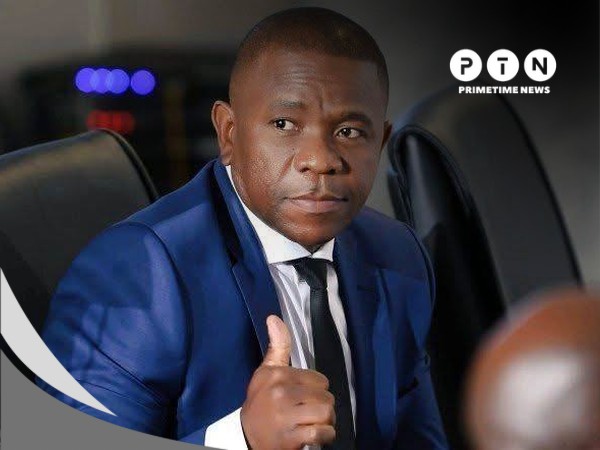
A 38‑year‑old TikTok influencer from KwaZulu‑Natal is set to appear before a Durban magistrate on Monday. The court appearance follows his arrest on Sunday on charges of crimen injuria and incitement of violence, allegations stemming from a video he posted on his TikTok account.
What the video contained
In the clip, the creator directly insults Lieutenant‑General Nhlanhla Mkhwanazi, the provincial police commissioner, accusing him of remaining silent while officers allegedly infringe on the rights of protesters. The TikToker also called for violent action against the police, prompting the KwaZulu‑Natal Provincial Task Team to open a criminal investigation.
Police response and investigation
KwaZulu‑Natal police said the video appeared to breach two distinct offences. First, crimen injuria – the unlawful and intentional injury of a person’s dignity – was identified because the content deliberately demeaned the commissioner. Second, the call for violence was deemed incitement, a serious offence under South African law.
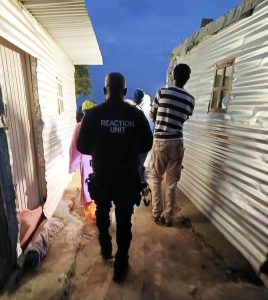
After the video was flagged, investigators traced the suspect’s location to Princess Magogo Stadium in KwaMashu, where the uMkhonto weSizwe (MK) Party was holding its final election rally. The police were able to detain the TikToker at the venue and subsequently charge him.
Legal proceedings set to begin
The magistrate’s court in Durban has scheduled the first appearance for Monday. At that hearing, the prosecutor will formally present the charges and the TikToker will be given an opportunity to enter a plea. If convicted, the penalties for crimen injuria can include fines or imprisonment of up to three years, while incitement of violence carries a maximum sentence of ten years.
Legal experts note that the case highlights the growing tension between freedom of expression online and the protection of individual dignity. South Africa’s Constitution guarantees robust speech rights, but those rights are not absolute when they cross into hate, defamation, or calls for unlawful action.
Broader context of online conduct and law enforcement criticism
Criticism of police conduct is not new in the province, especially after a series of high‑profile protests and allegations of excessive force. However, authorities maintain that any public commentary must stay within the bounds of the law. The TikToker’s video, according to police statements, went beyond legitimate criticism by personally attacking the commissioner and urging violent retaliation.
Social media platforms have become a flashpoint for such disputes, with users often leveraging short‑form videos to voice grievances. The government has previously warned that repeated breaches could lead to stricter enforcement, citing cases like the recent seizure of explosives on the N1, where two suspects were arrested while transporting explosives worth R975,000. While unrelated, that incident underscores the authorities’ heightened vigilance against public safety threats.
What comes next for the TikToker
Following his court appearance, the TikToker may be released on bail pending further hearings, or he could remain in custody if the court deems the charges serious enough. The outcome will likely set a precedent for how South African courts handle online content that combines personal insult with calls for violence.
For now, the case serves as a reminder that digital platforms are not law‑free zones. Content creators, especially those with large followings, are expected to balance expressive freedom with responsibility, lest they face legal repercussions.