South African Delivery Riders Face Heightened Road Risks Amid Growing E-Commerce Demands
3 min read

Welcome back! Log in to keep reading without ads.
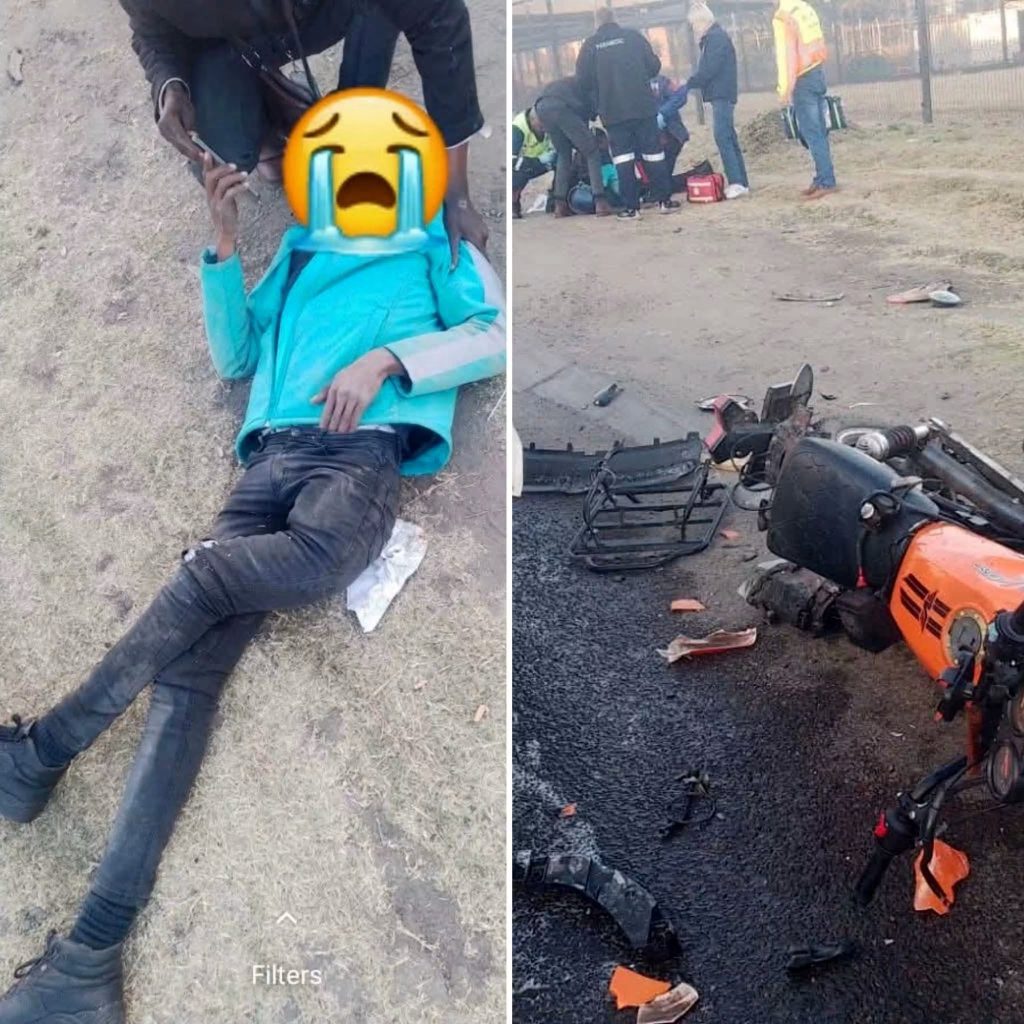
Delivery motorcyclists, including those contracted for services like Checkers Sixty60, operate under intense pressure in South Africa’s major urban centres. Tight delivery windows, high traffic volumes, and variable road conditions contribute to frequent collisions, with lower-limb injuries among the most common outcomes documented in medical studies.
A study published in the South African Orthopaedic Journal examined 44 young male delivery motorcyclists in Cape Town who required orthopaedic surgical intervention. These riders sustained a total of 57 injuries, predominantly fractures to the femur and tibia, many of which were open fractures. The mean cost of admission, imaging, implants, and surgery reached approximately R52,061 per patient, underscoring both the human and economic toll. Employers included various delivery platforms.
Broader crash data for delivery riders in Johannesburg, Cape Town, and Durban indicates nearly 400 incidents over a 12-month period ending mid-2025, resulting in dozens of fatalities at the scene and additional deaths from injuries. Motorcycle-specific hazards such as speeding to meet deadlines, inadequate protective gear, and interactions with larger vehicles feature prominently in incident reports.
Checkers Sixty60, which promises grocery deliveries within 60 minutes, has recorded multiple rider fatalities in 2025. One rider died in a head-on collision with a SAPS van on Voortrekker Road in Bellville, Cape Town. Another rider, a 23-year-old foreign national, was killed in a collision with a Toyota near Kelderhof on the R102 in Somerset West in December 2025. Earlier incidents in areas such as Camps Bay further illustrate the pattern.
While specific public details on one recent Checkers driver losing a leg may vary, severe lower-limb trauma leading to amputation has occurred in road accidents involving delivery workers and other motorists in South Africa. Examples include truck drivers requiring on-scene surgical amputation due to entrapment in vehicle wreckage and motorcyclists facing life-altering injuries from high-impact collisions.
Contributing factors cited across reports and public discourse include operational pressures from strict time targets that encourage risky manoeuvres such as filtering through traffic or unsafe overtaking; vehicle and equipment issues with motorcycles subjected to high daily mileage, sometimes overloaded or inadequately maintained; road environment challenges such as potholes, congestion, and mixed traffic; and workforce characteristics where many riders are foreign nationals navigating licensing and experience requirements.
South African authorities have conducted operations targeting unlicensed or non-compliant delivery riders. Emergency services and trauma units routinely manage these cases, with outcomes ranging from fractures requiring surgical fixation to amputations when vascular damage, compartment syndrome, or infection becomes unsalvageable.
Checkers and its parent group have expressed condolences in fatal cases and emphasised safety standards, though details around rider contracts, training, and insurance often remain limited pending investigations.
The incidents highlight systemic challenges in the gig-economy delivery sector. Medical literature and police reports consistently link rapid urban delivery growth to elevated injury rates among riders, many of whom are young men supporting families. Calls persist for improved road safety enforcement, better protective equipment mandates, revised delivery timelines where feasible, and enhanced training.
Rehabilitation for amputees or those with severe orthopaedic injuries involves prosthetics, physiotherapy, and vocational support. Community responses, including fundraisers for prosthetics, address individual hardships, yet broader prevention remains essential as e-commerce expands.
This pattern of serious accidents underscores the physical dangers inherent in delivery work on South African roads, where speed, visibility, vehicle mix, and operational demands create persistent hazards for riders striving to meet consumer expectations.
- Two Suspects Fatally Wounded As Police Foil Suspected CIT Robbery Near Brits

- 34-YEAR-OLD MAN BEATEN BY COMMUNITY AFTER ALLEGEDLY STEALING UNDERWEAR FROM WASHING LINE IN KZN
- TENSIONS REMAIN HIGH AT SOUTH AFRICAN VOTING STATIONS AS POLITICAL PARTY RIVALRIES RAISE CONCERNS

- VIDEO RAISES QUESTIONS OVER ELECTION MATERIALS AS SOUTH AFRICA FACES SCRUTINY OVER ELECTORAL INTEGRITY

- Grade 7 Learner Dies After Rolling Down Hill at Emerald Resort in Vanderbijlpark