
Early on the morning of 16 September 2026, a two‑vehicle crash on the R27 close to Langebaan could have turned tragic, but quick action by emergency crews and a dash of luck kept injuries minor. The incident underscores the hazards that wet weather poses on the Western Cape’s coastal highways and the critical role of South Africa’s rescue services.
What happened on the R27?
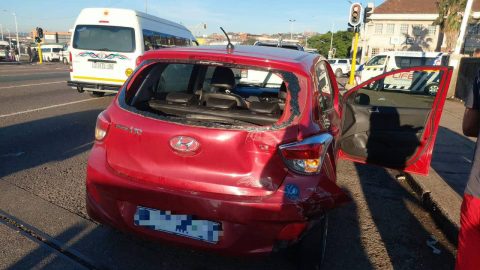
At approximately 07:45, motorists reported a collision involving a white Toyota Hilux and a silver Volkswagen Golf travelling eastbound on the R27, the main arterial road that links Cape Town with the West Coast towns of Velddrif, Vredenburg and Langebaan. The two vehicles appeared to have lost traction on a slick stretch of pavement after a brief downpour, causing the Golf to slide into the Hilux’s rear. Witnesses described the impact as a “soft thud,” and both drivers were able to exit their vehicles without severe injuries.
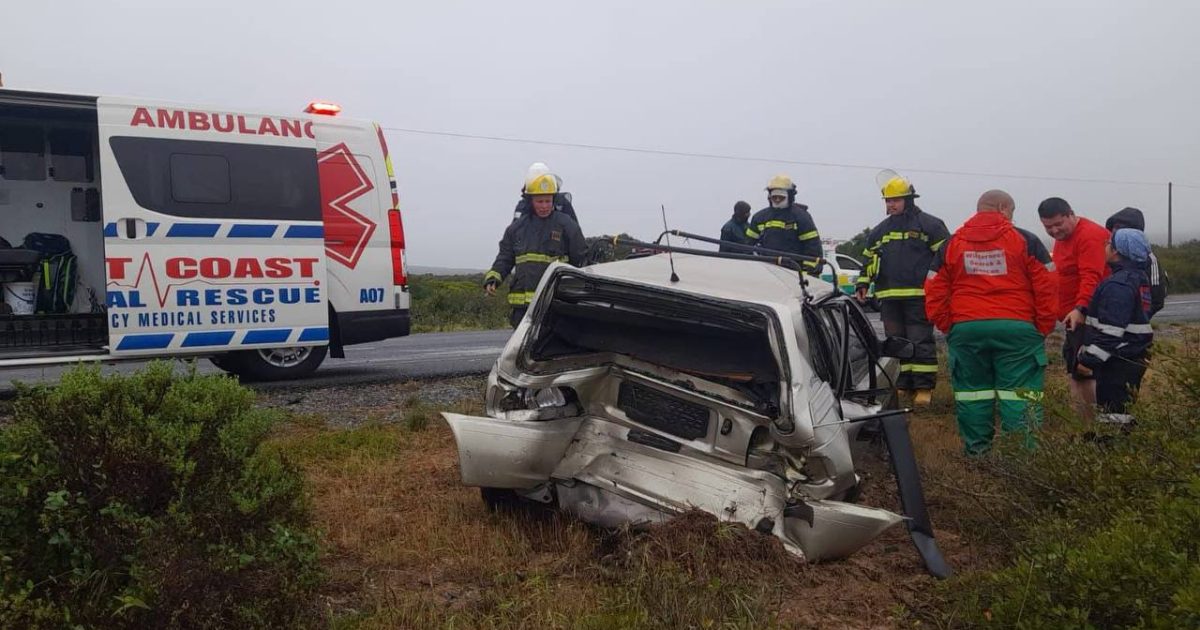
West Coast Medical Rescue, Metro EMS and the Saldanha Bay Fire Services arrived within minutes. Paramedics performed on‑site assessments, treated minor bruises and cuts, and cleared the scene. The road was closed for about thirty minutes while investigators gathered evidence and the wreckage was removed.
Why the R27 is prone to accidents in wet weather
The R27 runs alongside the Atlantic Ocean, exposing it to sea‑borne fog, sudden showers and strong cross‑winds. According to the Western Cape Department of Transport and Public Works, the road sees an average of 12,000 vehicles per day during the summer holiday season, many of which are tourists unfamiliar with the local driving conditions.
Data from the South African Police Service (SAPS) shows that road‑traffic collisions on the R27 increase by roughly 27% during periods of heavy rain. The combination of high traffic volumes, limited shoulder space and occasional potholes creates a perfect storm for loss‑of‑control incidents.
Emergency response: a coordinated effort
The rapid response to the Langebaan crash illustrates the efficiency of the Road Incident Management System (RIMS) that operates across South Africa’s major highways. RIMS relies on a network of dispatch centres, real‑time traffic cameras and a fleet of specialised rescue units. In this case, the nearest dispatch centre in Saldanha Bay logged the call and routed three emergency units to the scene within ten minutes.
West Coast Medical Rescue, a private ambulance service, provided advanced life support while Metro EMS handled traffic control and on‑scene coordination. The Saldanha Bay Fire Services deployed a rescue ladder and a portable generator to power floodlights, ensuring that the work could continue safely after dusk.
After the incident, RIMS issued a reminder to motorists to share precise location details—such as nearby landmarks like the Langebaan Lagoon or the R27 turn‑off to the West Coast National Park—when calling for help. Accurate information can shave valuable minutes off response times.
Practical safety tips for drivers on the R27
- Reduce speed on wet surfaces: The legal speed limit on most stretches of the R27 is 100 km/h, but during rain it is advisable to cut speed by at least 20 % to maintain tyre grip.
- Maintain a safe following distance: A minimum of three seconds between vehicles gives drivers enough time to react if the car ahead brakes suddenly.
- Check tyre tread and pressure: Worn tyres dramatically increase stopping distances on slick roads. The National Road Traffic Act recommends at least 1.6 mm tread depth.
- Use headlights, not high beams: Fog and rain scatter light; low‑beam headlights improve visibility for you and oncoming traffic.
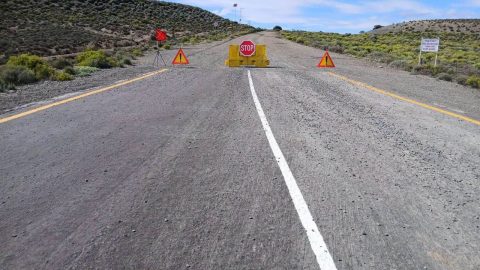
- Stay alert for road work: The Northern Cape Department of Roads recently closed the low‑water bridge on Klipwerf Road (DR2286) due to flooding. Similar closures can appear on the R27 during heavy rain, so keep an eye on signage.
Looking ahead: improving road safety on the West Coast
Provincial authorities have announced a R150 million investment to resurfacing high‑risk sections of the R27 over the next two years. The upgrades will include better drainage, anti‑skid surfacing and additional safety barriers at steep embankments.
Community groups such as the West Coast Road Safety Forum are also lobbying for more frequent road‑side assistance points and increased CCTV coverage. These measures aim to deter reckless driving and provide faster evidence collection when accidents do occur.
While the Langebaan crash could have ended far worse, the incident serves as a reminder that vigilance, proper vehicle maintenance and respect for weather conditions are essential for safe travel on South Africa’s scenic coastal routes.