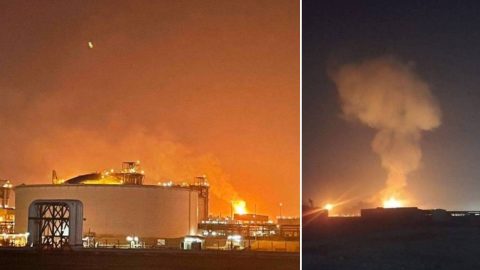


In a distinctive showcase called 48 hours in pictures, the citizen picture editors have gathered a diverse collection of news photographs that capture the pulse of South Africa and global events over the past two days. Their curatorial eye brings together images that range from political rallies to cultural festivals, each telling a story without a single word. This article walks readers through the process, the editorial philosophy and the impact of visual storytelling in a fast‑moving news environment.
Citizen picture editors highlight global stories
The team behind the selection works within a framework that balances timely relevance with lasting documentary value. By scanning wire services, local press agencies and freelance contributors, they assemble a provisional pool of thousands of images before narrowing the list to a few hundred that meet strict editorial standards. Their decisions are guided by principles that prioritize clarity, authenticity and the ability of a photograph to convey context.
One of the core responsibilities of the citizen picture editors is to ensure geographic balance. While South African news naturally dominates the coverage, the editors deliberately include at least a quarter of the images from other continents. This approach reflects the newspaper’s commitment to presenting a global perspective, reminding readers that events in one corner of the world often reverberate elsewhere. The inclusion of international scenes also provides a visual comparative lens for domestic audiences.
Technical quality remains a non‑negotiable criterion. Images must be sharp, properly exposed and composed in a way that directs the viewer’s attention to the central narrative element. In practice, the editors often request higher‑resolution versions from photographers to guarantee that the final publication meets print and digital standards alike. This meticulous attention to detail safeguards the newspaper’s reputation for visual excellence.
The role of citizen picture editors
Beyond the mechanical aspects of selection, the citizen picture editors act as interpreters of visual news. They consider how a single frame can encapsulate complex developments, such as a protest that represents broader social movements or a medical team responding to a crisis. By choosing images that resonate emotionally, they enhance the storytelling power of the accompanying articles.
The editors also collaborate closely with reporters and columnists, aligning images with written narratives to produce a cohesive experience. In many cases, a photograph chosen by the team can inspire a deeper dive by a journalist, prompting a feature that explores the story in greater depth. This symbiotic relationship reinforces the newspaper’s integrated news workflow.
Training and mentorship play a significant part in sustaining the quality of the picture selection. Junior staff members receive guidance on ethical considerations, such as respecting subjects’ dignity and adhering to privacy laws. The citizen picture editors also stay abreast of evolving digital tools that enhance image verification, ensuring that the visual content remains trustworthy.
Selection process and global reach
The selection timeline is tight. Within 24 hours of the deadline, the editors must finalize their choices, coordinate with the design team and prepare captions that accurately describe each image. This rapid turnaround demands a streamlined workflow, supported by a digital asset management system that tags and categorizes photographs for quick retrieval.
Because the 48 hours in pictures feature is distributed across multiple platforms—including the print edition, the online portal and the mobile app—the citizen picture editors tailor the visual narrative to each medium. For the print version, they may prioritize high‑contrast, black‑and‑white images that translate well on newsprint. Online, they can leverage interactive galleries that allow readers to zoom in on details, while the mobile format emphasizes concise, vertical images suited to small screens.
Internationally, the feature has garnered attention from media outlets that reference the curated images as a barometer of current events. The citizen picture editors’ choices often appear in newsletters and social media feeds, extending the reach of South African journalism beyond its borders. This visibility underscores the importance of maintaining rigorous standards, as the images become ambassadors of the nation’s news landscape.
Impact of visual storytelling
Studies consistently demonstrate that photographs can increase recall and emotional engagement compared with text alone. By presenting a daily visual digest, the citizen picture editors enhance audience comprehension of complex topics. A single image of a community water project, for example, instantly communicates progress that might take several paragraphs to describe.
Moreover, the visual archive created through the 48 hours in pictures series serves as a historical record. Future researchers and students will be able to trace societal shifts, political transitions and cultural trends through the lens of these curated photographs. The citizen picture editors thus contribute not only to immediate news consumption but also to long‑term documentation.
In terms of social impact, the editors have occasionally highlighted under‑reported stories by giving them visual prominence. An image of a small town rally against deforestation, for instance, drew national attention and spurred policy discussions. By amplifying such moments, the picture editors play a subtle yet powerful role in shaping public discourse.
Finally, the continued success of the 48 hours in pictures initiative rests on the dedication of the citizen picture editors, whose expertise bridges the worlds of journalism and visual arts. Their ability to sift through vast image collections, uphold ethical standards and craft compelling visual narratives ensures that readers receive a balanced, informative and aesthetically engaging news experience.
Learn more about our newsroom on our About page.