Nasiphi Moya mayor retains Tshwane seat after council vote
4 min read

Welcome back! Log in to keep reading without ads.
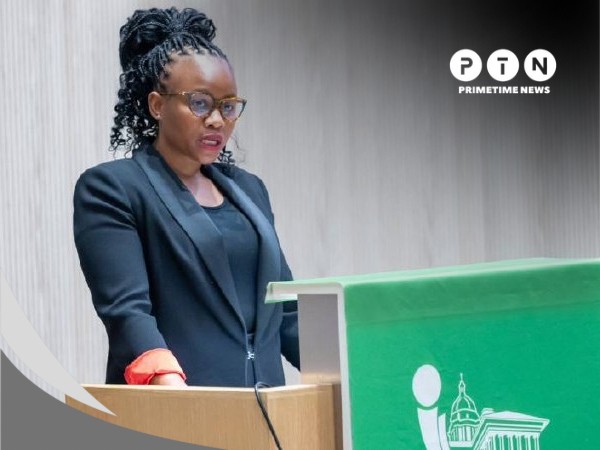
ActionSA’s Dr Nasiphi Moya secured a second term as mayor of South Africa’s capital city, Tshwane, after a council vote on 26 November 2026. The incumbent beat Democratic Alliance (DA) contender Cilliers Brink by a margin of 115‑87, confirming her position at the helm of the metropolitan municipality.
How the council vote unfolded
The council meeting opened with a nomination from Economic Freedom Fighters (EFF) councillor Benjamin Mathebula, who put forward Moya for mayor. The nomination was quickly seconded by ANC councillor Kgotso Tsela, signalling a cross‑party coalition that had been quietly negotiated in the weeks leading up to the election. DA councillor Themba Fosi nominated Cilliers Brink as his party’s candidate.
Out of the 202 councillors who cast a ballot, 115 voted for Moya while 87 supported Brink; seven ballots were spoilt. The result reflected the coalition’s combined strength, which comfortably surpassed the 109‑vote threshold required for a majority in a council of 214 seats.
Coalition dynamics and the speaker election
Following the mayoral vote, the council turned to elect a speaker. ANC member Naeem Patel won the position with 119 votes against the DA’s Pogiso Mthimunye (71 votes) and Freedom Front Plus candidate Willie Spies (19 votes). The DA’s attempt to postpone the speaker election – arguing that coalition talks were unfinished – was rejected, with 119 councillors voting against the motion and 88 supporting it.
The coalition that backed Moya comprises ActionSA, the ANC, the EFF and a handful of smaller parties. Recent coalition dynamics in Tshwane suggest the partnership will be tested early, especially given the strained relationship between Moya and EFF deputy mayor Omphile Maotwe.
Legal challenges and past controversies
Maotwe, who was elected unopposed as deputy mayor, previously filed a criminal case against Moya over the 2025 Bronkhorstspruit water crisis. The case alleged that mismanagement of water chlorination led to more than 600 residents suffering gastrointestinal illnesses. Although the case was lodged just days before the 2026 local elections, the EFF has continued to demand Moya’s resignation, claiming the incident exposed systemic failures in municipal governance.
These accusations arrive against a backdrop of other high‑profile municipal scandals, such as the recent Bloemfontein accountant arrested for alleged misuse of company funds, underscoring the heightened public scrutiny of local officials.
Moya’s five‑point agenda for Tshwane
During her campaign, Moya outlined a comprehensive five‑point plan that she describes as “non‑negotiable commitments” for the next term:
- Financial recovery: Continue the fiscal turnaround initiated in 2024, protect funded budgets, improve revenue collection and clamp down on corruption.
- Economic growth: Attract investment, support small‑business development, empower informal traders and launch skills‑development programmes aimed at youth unemployment.
- Service reliability: Upgrade water and electricity infrastructure, implement preventative maintenance schedules and boost the technical capacity of municipal departments.
- Public safety: Strengthen the Tshwane Metro Police, increase law‑enforcement presence and coordinate with national agencies to curb illegal activities.
- Resident‑centred service: Streamline customer service, resolve billing disputes swiftly, accelerate title‑deed issuance and provide targeted support to vulnerable households.
Moya stressed that these goals are not mere election promises but measurable targets that citizens can hold her administration accountable for.
Reactions from political leaders
ActionSA founder and former Johannesburg mayor Herman Mashaba praised the result, saying his party’s refusal to join a coalition with the DA was rooted in “arrogance” on the part of the opposition. “We have the numbers, we have demonstrated that no one will govern without our mandate,” Mashaba declared, emphasizing the party’s commitment to democratic principles.
The DA, meanwhile, expressed disappointment but vowed to continue monitoring the coalition’s performance, particularly on service delivery and fiscal management. The party’s loss marked its first defeat of the day after the speaker‑post motion was also rejected.
What lies ahead for Tshwane
With the mayoral and speaker positions filled, the new coalition will now face its first major test: delivering on Moya’s ambitious agenda while navigating internal tensions, especially the pending legal case brought by the deputy mayor. The municipality’s 214‑seat council will need to work cohesively to pass budgets, approve infrastructure projects and address the lingering effects of the water crisis.
Analysts note that the coalition’s stability will be crucial not only for Tshwane but also for neighbouring Johannesburg, where councillors are set to elect their own executive leadership next week. A smooth transition in Tshwane could set a precedent for collaborative governance across South Africa’s major metros.
As the city looks toward 2027, residents will be watching closely to see whether Moya’s promises translate into tangible improvements in water quality, electricity reliability, safety and economic opportunity.