eThekwini coalition talks: New mayor election heats up
4 min read

Welcome back! Log in to keep reading without ads.
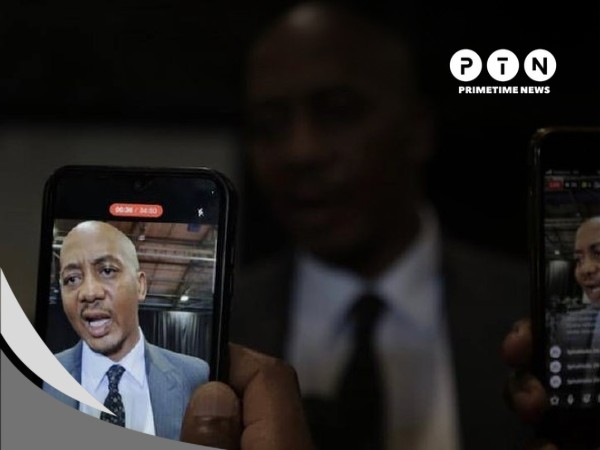
The inaugural sitting of the eThekwini municipal council on 23 November was anything but routine. A dispute between city manager Musa Mbhele and the provincial Co‑operative Governance and Traditional Affairs (CoGTA) department over the legality of holding the meeting set a tense backdrop for what is arguably the most consequential council session in the metro’s recent history.
Legal tussle over the inaugural council meeting
CoGTA head Scelo Duma had issued a letter on 23 November directing eThekwini and eleven other hung municipalities to postpone their inaugural council meetings to 26 or 27 November. The directive cited “continuing engagements and planning under way” and invoked section 29(2) of the Municipal Structures Act. Mbhele responded in writing, arguing that there is no statutory authority for CoGTA to order a postponement, nor for him to comply. He warned that delaying the meeting at short notice would waste the non‑refundable costs already incurred for the Durban Exhibition Centre venue.
Despite the provincial instruction, the 223‑seat council convened as planned at the exhibition centre. After the swearing‑in of councillors, the meeting was adjourned following a motion supported by 213 members, championed by ANC councillor Thabani Nyawose, to give parties additional time to finalise coalition agreements.
Election results leave no clear winner
The November 4 municipal elections delivered a fragmented outcome for South Africa’s third‑largest metro. The newly formed MK Party captured 86 seats, the Democratic Alliance (DA) secured 57, and the African National Congress (ANC) obtained 37. MK dominated the townships, winning 73 of 112 wards, while the ANC managed only two. No single party reached the 112‑seat threshold required to govern alone, thrusting the city into a coalition‑building marathon.
Because eThekwini controls the Durban port – handling roughly 60 % of the nation’s container traffic – the stakes extend far beyond local service delivery. The metro contributes about 60 % of KwaZulu‑Natal’s GDP and roughly 10 % of South Africa’s total output. A stalemate in council formation could reverberate through national supply chains, affecting factories in Gauteng and the broader economy.
Negotiations intensify ahead of the November 27 deadline
Within hours of the council sitting, MK and ANC representatives were locked in talks that ran into the early hours of Tuesday. Together they would command 123 seats, enough for a stable majority. Sources close to the negotiations indicated that Action SA was also in the mix, with a tentative arrangement that would see MK take the mayoralty, Action SA’s Zwakele Mncwango become deputy mayor, and the ANC assume the speaker’s chair. No final deal had been announced when councillors were sworn in.
MK’s mayoral candidate, Mxolisi Phakathi, underscored the urgency of reaching an agreement, naming 27 November as the cut‑off date for coalition talks. “Whether we like it or not, we should conclude those talks,” he said, echoing the sentiment that the city cannot afford prolonged uncertainty.
DA KwaZulu‑Natal leader Dean Macpherson reiterated his party’s willingness to stay at the negotiating table. “Remember, we are the largest party behind the MK Party, so our position needs to be taken care of. We are still negotiating. But our position is that we must negotiate on principle,” he told reporters.
These high‑stakes discussions were captured in a recent report titled coalition talks intensify as eThekwini waits for new mayor to be elected, which highlighted the pressure on all sides to lock in a governing pact before the statutory deadline.
Key players and their stakes
Among the colourful personalities sworn in were Thanasagren Rubbanathan Moodley, leader of the 1860 NIC Congress and known on stage as comedian “KC”. Moodley, who secured a single PR seat, pledged to champion minority rights, particularly for the Indian community that he says has been ignored for three decades.
Another notable figure was Cebo Mtshali, MK’s incoming ward 88 councillor for Umlazi, who arrived in full military regalia. He promised to be present in his community, emphasizing the need for immediate service delivery on water and other basic needs.
Outside the exhibition centre, thousands of MK supporters gathered, toyi‑toying, dancing and singing struggle songs, underscoring the deep grassroots enthusiasm that the party brings to the coalition equation.
The final coalition configuration will determine who occupies the mayor’s office, a role that directly influences the management of the Durban port, water and power infrastructure, and the overall economic health of the region.
In other local news, a tragic incident in Khayelitsha reminded citizens of the broader safety challenges facing South African cities. Read more about that event in the report on four killed and eight injured in a mass shooting at a Khayelitsha tavern.
As the clock ticks toward the 27 November deadline, eThekwini’s political actors are under pressure to translate electoral mandates into a functional governing coalition. The outcome will shape service delivery, economic performance, and the political landscape of South Africa’s most strategic gateway.