Malema gag Zille: Court to rule before Friday
4 min read

Welcome back! Log in to keep reading without ads.
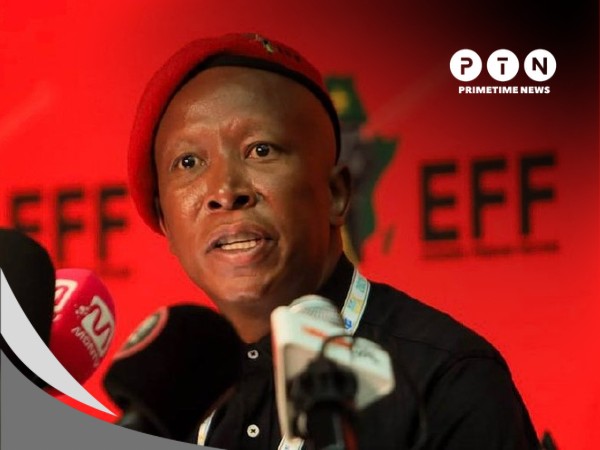
Julius Malema, the leader of the Economic Freedom Fighters (EFF), has taken legal action to prevent former Democratic Alliance (DA) leader Helen Zille from repeating specific allegations he says are defamatory. The request for an interim order was heard in the Johannesburg High Court on Tuesday, and Judge Marcus Senyatsi has indicated that a decision will be delivered before Friday.
Background to the defamation dispute
Earlier this month, Zille told reporters that Malema had improperly influenced the awarding of a municipal tender and the appointment of former senior police officer Shadrack Sibiya while Herman Mashaba was mayor of Johannesburg. Malema responded by demanding a public apology and a formal retraction. Zille’s legal team declined, replying simply, “see you in court.”
The core of the case centres on two distinct claims. First, Zille suggested that Malema used his political influence to persuade Mayor Mashaba to appoint Sibiya. Second, she alleged that Malema was involved in irregularities surrounding a fleet tender. Malema’s counsel, Mfesane Ka‑Siboto, argues that the allegations are false and that Zille’s repeated statements continue to damage his reputation.
Legal arguments from both sides
Ka‑Siboto told the court that Zille has not only repeated the allegations once but has continued to repeat them in subsequent interviews, raising the risk of ongoing harm. He asked the judge, “Who knows how many times she’s going to keep repeating it?” The EFF’s position is that an interim order is necessary to stop further repetition until the full defamation trial can be heard.
In response, Zille’s counsel, Antony Stein SC, warned that an order silencing Zille would have “grave constitutional and democratic consequences.” He emphasized that the matters raised are of public importance and that there is a substantial body of investigative reporting on the issues. Stein argued that the requested injunction is “radically overbroad” and would infringe on Zille’s constitutional right to free speech.
Ka‑Siboto countered that Zille could have avoided the dispute by simply refraining from repeating the statements while the case is pending. He suggested that she could have written, “I don’t intend to retract what I said, but I will not repeat it until the issue is resolved.” He also challenged Zille’s reliance on evidence that may only be obtained later, describing it as a strategy of “summoning evidence later.”
Constitutional concerns over speech suppression
Stein highlighted that South Africa’s constitution protects open discussion of matters that affect the public. He pointed to “years of careful investigative reporting” that address the allegations, noting that the evidence includes “hundreds of pages, tabulations, and payment records” which will be examined during discovery. Stein warned that an interim gag order could prevent Zille from responding to new evidence that may emerge before trial, effectively chilling debate.
While the EFF acknowledges that tender irregularities may have occurred, Ka‑Siboto stressed that the judgment cited by Zille does not name Malema directly. He urged the court to focus narrowly on the two specific claims being sued: the alleged influence over Sibiya’s appointment and the fleet tender allegation.
Next steps and court timeline
Judge Senyatsi has set a deadline for judgment before Friday, meaning the High Court will decide whether to grant the interim injunction that would bar Zille from repeating the contested statements. If the order is granted, Zille would be legally restrained from making further public comments on the two matters until the full defamation trial proceeds.
The outcome will have implications for how defamation cases involving political figures are handled in South Africa, especially where the balance between reputation protection and freedom of expression is at stake. Observers will be watching closely to see whether the court leans towards protecting a public figure’s reputation or upholding robust public debate.
For readers interested in how courts navigate similar high‑profile disputes, see the court to rule on Malema’s bid to gag Zille article for additional context.
In related news, the judiciary has recently dealt with other sensitive cases, such as the tragic death of a Verulam mother after years of alleged abuse. More details can be found in the report on Verulam Mother Found Dead With Severe Injuries After Years Of Alleged Abuse.