
Hangwani Maumela Ferrari auction: buyer identity dispute
4 min read

Welcome back! Log in to keep reading without ads.
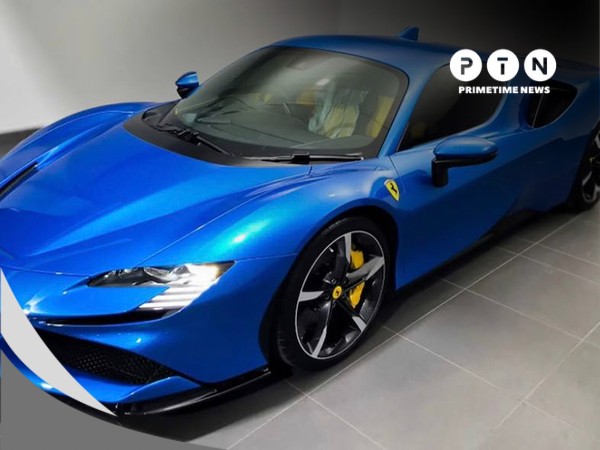
The Pretoria High Court is currently hearing an urgent application filed by Hangwani Maumela, a prominent tender contractor whose name has become synonymous with the alleged R2 billion fraud at Tembisa Hospital. Maumela wants the court to compel the Special Investigating Unit’s (SIU) appointed curator to reveal, under oath, the identity of the person who purchased his 2022 Ferrari at a recent auction.
Background on the tender tycoon and the Tembisa Hospital scandal
Hangwani Maumela rose to prominence through a series of large‑scale public‑sector contracts. In 2024, investigators alleged that a fraudulent procurement process at Tembisa Hospital resulted in the misappropriation of roughly R2 billion. While the investigations are ongoing, the SIU has been tasked with tracing and recovering assets that may have been purchased with proceeds of the alleged looting.
Preservation and sale of the Ferrari
In September 2025, the SIU placed Maumela’s 2022 Ferrari under preservation, effectively freezing the asset while its ownership and source of funds were examined. After a thorough assessment, the vehicle was put up for public auction on 11 November 2026. The auction fetched a hammer price of R10.1 million, a figure that aligns with the market value for a near‑new super‑car of this make and model.
The sale was described by the curator’s legal representative as “complete”, with the proceeds already deposited in a designated bank account. However, delivery of the car to the successful bidder has not yet taken place, a detail that the court was reminded of during the hearing.
Legal battle over disclosure of the buyer’s identity
Maumela’s application asks the court to order the curator to disclose four specific pieces of information in an affidavit: the name of the purchaser, the final sale price, the terms of the sale agreement, and whether the payment has been fully received. The request is framed as a step toward transparency in the asset‑recovery process, and as a means for Maumela to understand how the proceeds of the sale are being handled.
Jannie Lubbe SC, the curator’s attorney, responded that while the transaction is finalized and the money is secured, the buyer’s identity will only be revealed in a written letter, which the curator intends to send on Wednesday. Lubbe also confirmed that the only outstanding element is the physical hand‑over of the Ferrari to its new owner.
The court’s deliberations come at a time when the SIU is under pressure to demonstrate tangible results in its fight against corruption. Disclosure of the buyer could shed light on whether the vehicle was sold to a local collector, an overseas investor, or a corporate entity, each scenario carrying different implications for future asset‑recovery strategies.
Implications for asset recovery and future proceedings
If the court orders the curator to disclose the purchaser’s details, it could set a precedent for greater openness in similar cases where high‑value assets are seized and sold. Transparency may deter potential buyers from acquiring assets linked to alleged corruption, knowing that their identities could become public record.
Conversely, privacy concerns for legitimate buyers could arise, especially if the sale was conducted through a reputable auction house that guarantees confidentiality. Balancing the public interest in exposing the proceeds of crime against the rights of private individuals is a delicate legal challenge.
The outcome of Maumela’s application will also feed into the broader narrative of the Tembisa Hospital investigation. Should the proceeds from the Ferrari be directed toward restitution for the hospital, it could provide a concrete example of how recovered funds are being utilised. If, however, the money remains in a holding account pending further court orders, critics may argue that the SIU’s efforts are stalled.
For readers interested in related judicial developments, the Malema gag Zille court ruling offers insight into how South African courts are handling high‑profile political cases this year.
Additional details about the auction, including the identity of the buyer, can be followed in the ongoing coverage by who bought his R10m Ferrari at auction. The case remains active, and the Pretoria High Court is expected to deliver a ruling before the end of the week.
Regardless of the final decision, the Hangwani Maumela Ferrari dispute underscores the complexities of reclaiming assets tied to alleged corruption, and it highlights the judiciary’s pivotal role in ensuring that recovered wealth is accounted for in a transparent and lawful manner.