Eugene de Kock Expected to Testify at TRC Cases Inquiry
6 min read

Welcome back! Log in to keep reading without ads.
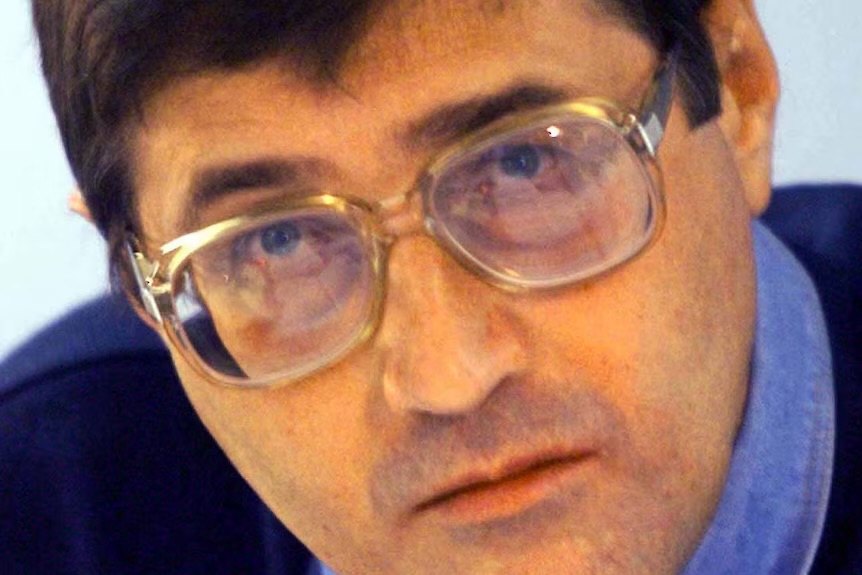
Former apartheid-era police commander Eugene de Kock, known as “Prime Evil”, is expected to testify before South Africa’s TRC Cases Inquiry on Monday, 26 October 2026, as the commission continues investigating allegations of interference in the investigation and prosecution of apartheid-era crimes.
De Kock, who commanded the notorious Vlakplaas police unit near Pretoria, was convicted of multiple offences linked to apartheid-era violence and sentenced in 1996 to two life terms in prison, together with an additional 212 years. He was released on parole in 2015 after serving approximately 19 years in prison.
His expected appearance comes as the inquiry examines why numerous cases involving serious human rights violations identified by the Truth and Reconciliation Commission (TRC) were not successfully investigated or prosecuted after the end of apartheid.
De Kock’s role in the apartheid-era security police
De Kock led the Vlakplaas unit, a police operation base near Pretoria that became associated with covert operations against opponents of the apartheid government. The unit was involved in targeting anti-apartheid activists, including operations involving abductions, torture and killings.
The unit operated within the apartheid-era security establishment, which used intelligence gathering, covert operations and violence to target people regarded as opponents of the government.
De Kock became one of the most prominent figures prosecuted for crimes committed by apartheid security forces. His convictions and subsequent applications for amnesty placed him at the centre of South Africa’s efforts to establish accountability for politically motivated violence committed before the country’s democratic transition.
Convictions and prison sentence
In 1996, De Kock was convicted of multiple offences arising from his activities during apartheid and sentenced to two life terms in prison, together with an additional 212 years.
The life sentences included convictions for the murders of Japie Kereng Maponya and five men collectively known as the Nelspruit Five: Oscar Mxolisi Ntshota, Glenack Masilo Mama, Lawrence Jacey Nyelende, Khona Gabela and Tisetso Leballo.
He also received additional prison sentences for offences including conspiracy to commit murder, culpable homicide, kidnapping, assault and fraud.
The convictions established his criminal responsibility for a series of offences associated with apartheid-era security operations.
Truth and Reconciliation Commission amnesty applications
In 1997, De Kock applied for amnesty through the Truth and Reconciliation Commission, established to investigate human rights violations committed during apartheid and provide a process through which certain politically motivated offences could receive amnesty.
Amnesty was not automatic. Applicants were required to meet the applicable legal requirements, including making full disclosure of relevant facts and demonstrating the required political connection to the offences.
De Kock received amnesty for certain offences, while applications relating to other crimes were refused. Some of the cases for which amnesty was not granted remained relevant to his criminal convictions and imprisonment.
The distinction is important because the TRC’s amnesty process did not provide blanket immunity for every crime committed during apartheid. Each application was considered in relation to the particular offence and the applicable requirements.
Release on parole in 2015
In January 2015, the then Minister of Justice and Correctional Services, Michael Masutha, announced that De Kock’s parole application had been approved following further consideration of his case.
The decision followed an earlier refusal in July 2014, when concerns had been raised about whether victims’ families had been properly consulted during the parole process.
In announcing the subsequent decision, the minister cited professional assessments, De Kock’s reported progress while in custody and assistance he had provided to the National Prosecuting Authority’s Missing Persons Task Team. The minister also referred to consultations with affected families.
De Kock was released on parole in 2015 after spending approximately 19 years in prison. Parole did not cancel or reduce the sentences imposed by the court; it allowed for his conditional release subject to applicable requirements.
Why the TRC Cases Inquiry was established
The TRC Cases Inquiry was announced by President Cyril Ramaphosa on 29 May 2025. It was established to investigate allegations that efforts or attempts had been made to prevent the investigation and prosecution of cases involving apartheid-era crimes referred through the TRC process.
The inquiry followed legal action brought by families of victims of apartheid-era crimes seeking answers about the handling of cases involving serious human rights violations.
Its work focuses on whether there were attempts to obstruct investigations or prosecutions and on the circumstances surrounding the failure to bring certain cases to court.
The inquiry is chaired by retired Constitutional Court Justice Sisi Khampepe, assisted by retired Northern Cape Judge President Frans Diale Kgomo and Advocate Andrea Gabriel SC.
In May 2026, President Ramaphosa extended the commission’s term until 18 December 2026 to allow it to complete its work and submit its final report.
Previous testimony before the inquiry
The inquiry has heard evidence from several prominent figures as part of its investigation into the handling of apartheid-era cases.
Former president Thabo Mbeki was among those scheduled to testify in October 2026. Former president Jacob Zuma was also scheduled to appear. Their involvement brought renewed attention to questions surrounding the investigation and prosecution of cases arising from the TRC process.
The inquiry’s findings could help establish what happened to cases referred for further investigation, whether decisions were taken that affected their progress and whether political interference played a role.
However, allegations under investigation must be distinguished from established findings. The commission’s purpose is to examine the evidence and determine what conclusions are supported by the record.
What De Kock’s expected testimony could address
De Kock’s expected appearance on Monday, 26 October, comes against the background of his former position within the apartheid security police, his criminal convictions and his participation in the TRC amnesty process.
His knowledge of Vlakplaas and its operations could be relevant to the inquiry’s examination of apartheid-era security activities and the subsequent handling of cases involving alleged state crimes.
The precise evidence he will give, the specific cases he will address and any new information that may emerge cannot be confirmed ahead of his appearance.
The central issue before the inquiry is whether efforts were made to prevent the investigation or prosecution of apartheid-era crimes and, if so, how those efforts occurred and who was involved.
The inquiry is expected to continue its work as it gathers evidence before its December 2026 reporting deadline.
- Two SAPS Runners Killed in Head-On Collision With Truck on Moloto Road

- Eugene de Kock Expected to Testify at TRC Cases Inquiry

- WATCH: Safe Following Distance Could Prevent Serious Crashes on South African Roads

- Sidney Hill Fundraiser Reaches R250,000 After Fatal Pinetown Hijacking Attempt

- Body of Missing 74-Year-Old Woman Recovered in Hillcrest