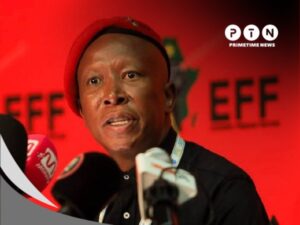
Ekurhuleni council election: DA and EFF clash over speaker
4 min read

Welcome back! Log in to keep reading without ads.
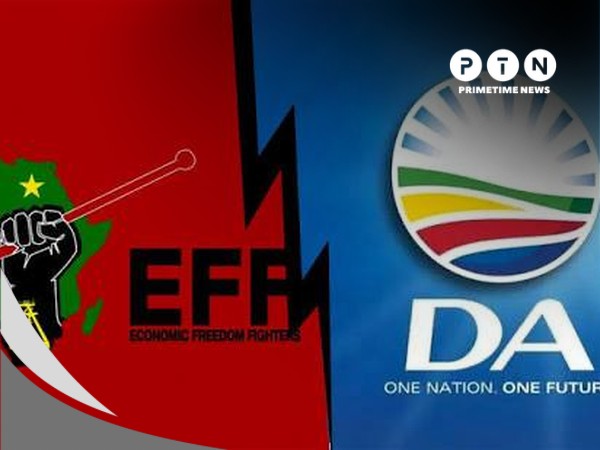
The newly elected council of Ekurhuleni convened at the OR Tambo Government Precinct Civic Centre on a bright Tuesday, marking the start of what many expect to be a contentious term. More than 200 councillors gathered to elect the municipality’s speaker, mayor and chief whip, but the agenda was abruptly interrupted when the Democratic Alliance (DA) and the Economic Freedom Fighters (EFF) called for an unexpected 30‑minute caucus break.
Why the sudden break?
City Manager Kagiso Lerutla, acting as temporary presiding officer, had just outlined the day’s order of business when the two opposition parties signalled a need for a short recess. While the exact motive remains opaque, an anonymous ANC insider suggested that “fires are burning in the backroom,” hinting at behind‑the‑scenes negotiations.
Under the Municipal Structures Act, the municipal manager is only permitted to preside over the election of the speaker. Once a speaker is chosen, the elected official assumes control of the proceedings, including the mayoral vote. Lerutla’s brief statement – “After the election of the speaker I will have to vacate the seat as elections must be presided by an elected official” – underscores the legal necessity of this hand‑over.
Power dynamics in a fragmented council
Ekurhuleni’s council is a mosaic of parties. The African National Congress (ANC) holds 67 seats, the DA 30, the EFF 15, ActionSA 12 and the MK Party 9. In total, 133 seats are required for a majority, but the council only needs 113 votes to elect a speaker. Without the EFF’s 15 votes, the combined strength of the ANC, ActionSA and MK Party would fall to 103 – insufficient for a decisive win.
This arithmetic has turned the speaker’s chair into a bargaining chip. Reports indicate the EFF is willing to back an ANC‑aligned mayor in exchange for the speaker’s role, a classic coalition‑building maneuver that could reshape governance across both Ekurhuleni and neighbouring Johannesburg.
The caucus break therefore served as a de‑facto “headcount.” An absent councillor can tip the scales in a secret ballot, and party whips are keen to ensure strict discipline. The ANC official warned that even a single missing vote could alter the outcome, adding pressure on all sides to secure firm commitments before the ballot resumes.
Nomination battle: DA versus EFF
When the council reconvened, the DA put forward Brandon Pretorius as its candidate for speaker, while the EFF nominated Nthabiseng Tshivhenga. Both names reflect the parties’ strategic calculations: Pretorius is a seasoned municipal administrator, whereas Tshivhenga is a vocal advocate for the EFF’s policy agenda, promising a more activist chair.
According to Diapelo Gwala, the regional head of the Electoral Commission of South Africa (IEC), the presence of multiple nominees triggers a formal voting process overseen by IEC officials. “When more than one candidate is nominated, IEC officials must assist the city in administering the voting process and ensuring compliance with the relevant rules and regulations,” Gwala explained.
The IEC will set up voting stations inside the council chamber, and councillors will cast secret ballots. This procedure mirrors previous speaker elections in Gauteng, where secret voting has occasionally produced surprise outcomes, especially when party loyalty is tested against local interests.
Broader implications for Gauteng politics
Ekurhuleni is Gauteng’s second‑largest municipality, home to over three million residents and a vital economic hub for manufacturing and logistics. The composition of its council often foreshadows provincial power shifts, especially as the ANC, DA and EFF vie for dominance ahead of the national elections.
The current standoff also reflects a broader trend of fragmented councils across South Africa, where no single party commands an outright majority. Coalition politics has become the new normal, compelling parties to negotiate power‑sharing deals that can be volatile and short‑lived.
While the immediate focus is on the speaker’s election, the outcome will likely influence the mayoral contest slated for later in the week. A speaker aligned with the EFF could sway subsequent votes, potentially giving the EFF leverage to extract policy concessions or key committee chairs.
Other headlines from Ekurhuleni
Amid the political drama, the municipality has also been in the news for unrelated events. For instance, the tragic murder of renowned South African artist Tamlin Blake drew national attention, with the suspect now in custody – a story covered in detail here.
For a deeper look at the power struggle unfolding in the council chambers, see the full report on the power battle in Ekurhuleni.
As the council prepares to vote, all eyes remain on the IEC’s ballot boxes. Whether the DA’s Pretorius or the EFF’s Tshivhenga will secure the speaker’s gavel could set the tone for Ekurhuleni’s governance for the next five years.