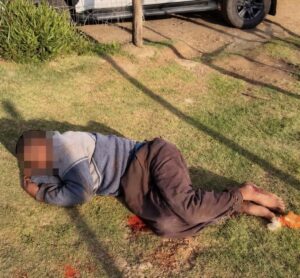
Deadly attacks on e-hailing drivers in South Africa: Hijackings, strangulations, shootings and vehicle torchings leave operators targeted daily
16 min read

Welcome back! Log in to keep reading without ads.
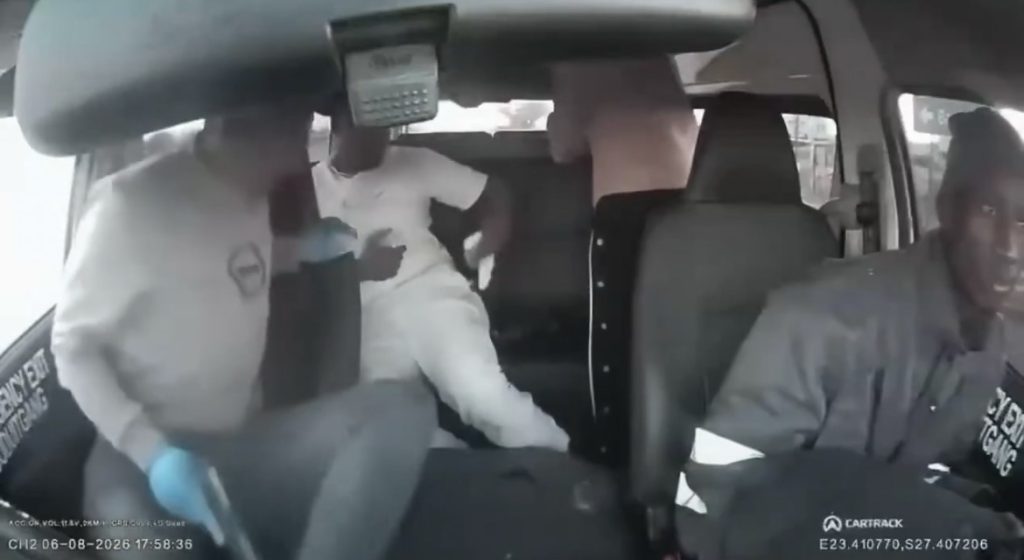
E-hailing drivers in South Africa face repeated targeting through hijackings, robberies, kidnappings and murders. Documented cases involve passengers requesting rides via platforms such as Bolt and Uber, as well as incidents linked to conflicts with elements of the minibus taxi industry.
On 11 February 2026, Isaac David Satlat, a 22-year-old Nigerian engineering student working as an e-hailing driver, was hijacked and strangled to death in Pretoria West after responding to a ride request. Dashcam footage from his Suzuki Ertiga captured the attack by a man and woman among a group of four. The suspects forced him to stop the vehicle, strangled him and took his cellphone and vehicle. His body and the hijacked vehicle were recovered in Atteridgeville the same day. Suspects including Dikeledi Tears Mphela (24), Goitsione Machidi (25) and McLaren Mushwana (30) faced charges of premeditated murder and robbery with aggravating circumstances; a fourth suspect later handed himself over. The accused abandoned bail applications. Prosecutors stated the ride was ordered using a number not registered in their names.
In August 2025, 13 e-hailing drivers were killed over a two-week period, with 12 of the deaths described as execution-style. On 13 August 2025 at Maponya Mall in Soweto, four men approached 27-year-old e-hailing driver Mthokozisi Mvelase (also reported as Siyanda Mthokozisi Mvelase) as his vehicle stopped at the mall entrance. They shot him and set the vehicle on fire while he was inside. A second nearby e-hailing vehicle was fired upon; its driver escaped but the car was torched. A third vehicle outside the mall was also targeted. Mvelase was killed; one other driver and one passerby sustained gunshot wounds. Police investigated multiple cases including murder. The incident formed part of reported tensions between e-hailing operators and traditional taxi operators or patrollers in areas including Soweto, Johannesburg and Tembisa.
In KwaZulu-Natal in January 2026, a series of murders and kidnappings targeted e-hailing drivers in areas including Phoenix, Chesterville and Mayville. Muhammed Muzaffar Saib (24) of Whetstone, Phoenix, disappeared shortly after dropping off passengers in Westham around 9pm. He was stabbed and assaulted; his body was found in a stream at Rydalvale Grounds. His vehicle was recovered abandoned in Bhambayi. Vumani Mtolo went missing after responding to a ride request; his white Toyota seven-seater was later found stripped in Lamontville. KwaZulu-Natal E-Hailing Council chairperson Sipho Mabika stated that four drivers went missing in one week, with three later found dead (one with stab wounds, two shot) and one remaining missing. Chesterville and Mayville were identified as hotspots.
In December 2024, 53-year-old Uber driver Zwakusishiwo Zondi was killed. His remains were found burnt beyond recognition in a bush in Waterloo. Court testimony in the Durban High Court detailed that he picked up a group including Luyanda Shozi, Andile Mbhele, Siyabonga Mkhize and others. One accused, Ayanda Zulu, stated he was involved in the plan to steal the seven-seater vehicle, strangled Zondi, moved him from the driver’s seat and took control of the vehicle. Zondi was still alive at that point; further actions followed, including burning of the body involving additional individuals. Some co-accused were sentenced.
On 13 June 2025, 23-year-old Uber driver Katleho Motloung was shot during a ride in Palm Ridge. App data indicated he picked up passengers at 19:36; he was shot shortly before 19:56 and later succumbed to injuries. A case was opened at Eden Park SAPS.
Additional reported incidents include:
In Alexandra, Johannesburg, e-hailing vehicles and motorists have been repeatedly targeted. Crime statistics for periods in the 2025/26 financial year placed Alexandra among the highest or the highest stations for carjackings nationally in certain quarters (for example, 63 incidents in one recent quarter; 76 in a prior quarter). Local reports describe criminals using apps to lure drivers into ambushes.
On 28 July 2026 in Lotus River, Cape Town, a Bolt driver responding to a ride request on Klip Road was threatened with a firearm and robbed of his cellphone and hoodie by multiple male suspects. Footage circulated showing the sequence. A robbery with a firearm case was opened at Grassy Park police.
In June 2026 near Sebenzele High School on Ndwedwe Main Road, KwaZulu-Natal, an e-hailing vehicle (white Toyota Rumion) travelling from Hazelmere to Mona was followed by a Hyundai SUV. Shots were fired, including from a rifle and handguns; occupants played dead. Reaction Unit SA responded; one suspect was fatally wounded during the operation and another apprehended.
On 1 January 2025 in Strandfontein, Cape Town, an e-hailing driver in a Toyota Quest picked up two customers heading to Kraaifontein. They attempted a robbery at gunpoint; the driver shot back, killing one and seriously injuring the other. Cases of murder, attempted murder, carjacking and attempted robbery were opened.
In other Gauteng cases, drivers have reported being robbed at gunpoint or having vehicles taken after accepting ride requests, with some incidents captured on dashcam. Industry bodies such as the E-hailing Partners Council and National E-hailing Federation of South Africa have stated that hundreds of e-hailing drivers have been murdered while on duty in recent years, with hijackings and killings described as rampant, particularly involving platforms including Bolt and Indrive.
National and provincial carjacking figures remain elevated. Police recorded 18,175 carjackings across South Africa in the 2025/26 financial year, an average of nearly 50 vehicles per day in related reporting. Quarterly figures have shown national declines in some periods (for example, from 4,533 to 3,609 in comparable early-year quarters), but specific stations such as Alexandra have recorded increases. Gauteng accounts for a large share of cases. E-hailing vehicles are among those frequently targeted.
Attacks have also involved intimidation, extortion and violence attributed in reports to taxi operators or patrollers enforcing territorial control, including roadblocks, demands for payments to release vehicles, shootings and vehicle torchings. Data covering 2020–2024 indicated rises in armed assaults, robberies, car hijackings, malicious damage to property and murders against e-hailing drivers.
These cases are drawn from police statements, court proceedings, industry body reports and contemporaneous news accounts of the incidents.
Zimbabwean man sells same tuck shop container to four South African buyers before fleeing amid wave of departures by foreign nationals
A Zimbabwean man has been accused of selling the same tuck shop container to four different South African buyers before leaving the country, creating an ownership dispute among the purchasers.
According to reports, each of the four South African buyers believed they had completed a legitimate purchase of the container structure, which functioned as a tuck shop or spaza shop, and paid the seller for it. The transactions appeared independent until the buyers later encountered one another. When they compared details of their respective deals, they discovered that all four had paid the same Zimbabwean individual for the identical container.
The seller was no longer available or contactable after the sales. This left the four buyers to manage the conflicting ownership claims among themselves. Each maintains that their purchase was valid and that they hold a legitimate claim to the structure. The seller’s reported departure from South Africa has prevented clarification of the sequence of events or recovery of the funds paid.
Some accounts state that the man had operated the container-based spaza shop and left while fleeing xenophobic violence. One report identified the buyers as Zulu men.
This individual case occurred against a broader background in which large numbers of foreign nationals, including many Zimbabweans, departed South Africa in mid-2026. Anti-immigrant groups had set an unofficial June 30 deadline for undocumented foreign nationals to leave the country. The deadline was accompanied by threats and reports of violence targeting migrants regardless of legal status. Foreign-owned businesses, including spaza shops, faced attacks, looting, and forced closures in various areas.
South Africa’s Border Management Authority reported that more than 13,000 foreign nationals, including approximately 3,000 Zimbabweans, had been voluntarily repatriated or deported in a two-week period around that time. Zimbabwean authorities reported repatriating 3,624 of their nationals by late June. Additional figures indicated thousands more Zimbabweans and other foreign nationals had left through border points such as Beitbridge. Crowds of Zimbabweans gathered outside consulates in cities including Cape Town and Johannesburg seeking assistance to return home. Similar movements involved nationals from Malawi, Mozambique, and other countries.
Reports documented incidents of homes and shops being burned, people being displaced from informal settlements, and migrants camping in open areas or transit sites while awaiting transport. South African officials rejected the unofficial deadline and stated that immigration enforcement remained the responsibility of authorised state agencies. Rights groups and some government statements noted the risk of further violence and the impact on foreign nationals living and working in the country.
No specific names of the individuals involved in the container sales, the exact location of the tuck shop within South Africa, the amounts paid, or the precise dates of the transactions have been published in available reports. The ownership dispute among the four buyers remains unresolved, with the accused seller reported as out of reach.
WATCH: Somali shopkeeper Khalid Husen Ahmed shot dead in Khayelitsha, Cape Town
A Somali national identified as Khalid Husen Ahmed was shot and killed at a shop in Khayelitsha, Cape Town, on Saturday, 8 August 2026.
The incident occurred inside the shop and was captured on closed-circuit television (CCTV) footage. The timestamp on the available video recording places the events at approximately 17:15 local time. Footage shows the interior of a small retail outlet stocked with everyday goods, including packaged foods, household items and other merchandise typical of a spaza shop or convenience store operating in a township setting. A person is visible in the premises prior to the arrival of an individual who approaches and the subsequent shooting. Ahmed died as a result of the gunshot wounds sustained in the attack.
The killing took place in Khayelitsha, a large township on the outskirts of Cape Town in the Western Cape province. Khayelitsha has long recorded elevated levels of violent crime, including shootings linked to robberies, gang activity and other criminal enterprises. Foreign nationals operating small businesses, particularly Somali shopkeepers running spaza shops, have frequently been among those targeted in such incidents in the area and similar Cape Flats communities over successive years.
This shooting occurred on the same date as a separate series of overnight incidents in the Western Cape. South African Police Service (SAPS) reports confirmed that 11 people were killed in three distinct shooting events spanning late Saturday night into the early hours of Sunday, 9 August 2026. One of those incidents involved three men aged 25, 31 and 35 who were shot dead in the TR Section of Lingelethu West in Khayelitsha at approximately 22:50. Additional fatal shootings took place in Langa (four men and one woman) and in the Barcelona informal settlement in Gugulethu (two men and one woman, with two others injured). Provincial Serious Violent Crimes Unit detectives are investigating those cases. Western Cape police have increased deployments in the affected areas and other identified hotspots. No arrests had been reported in connection with the overnight shootings at the time of initial police statements, and motives remained under investigation. Provincial Commissioner Lieutenant General Sizakhele Dyantyi and senior management were reported to be visiting the communities to oversee the response.
Available public information on the killing of Khalid Husen Ahmed does not include confirmed details on the number of assailants, whether items were stolen, any immediate arrests, or a stated motive. The primary confirmed elements remain the identity of the victim as a Somali national working as a shopkeeper, the location of the shop in Khayelitsha, the date and approximate time of the shooting, the fact that it was recorded on CCTV, and that Ahmed was fatally shot.
Somali nationals have established numerous small retail businesses across Cape Town’s townships over many years, often filling gaps in local retail access. These shops have repeatedly featured in police and community reports of targeted robberies and violence. Broader patterns of crime affecting foreign-owned spaza shops in areas including Khayelitsha have been documented in prior incidents involving demands for cash or goods, or links to local criminal groups, though each case is investigated individually.
Police continue to investigate the circumstances of Ahmed’s death. Anyone with information that could assist is typically directed to contact Crime Stop on 08600 10111 or use official SAPS channels, including anonymous options where available.
Somali shopkeeper Khalid Husen Ahmed gunned down in Khayelitsha, Cape Town pic.twitter.com/DxTlqIVmTA
— PrimeTime News (@PrimeTimeNewsZA) August 9, 2026
As of the most recent reports circulating on the day the incident became public, no further official updates on suspects, forensic findings or charges specific to this shooting had been widely detailed beyond the confirmation of the victim’s identity, nationality, occupation and the fact of the fatal shooting at the Khayelitsha shop.
Two Anti-Gang Unit constables and two women killed in Reiger Park ambush
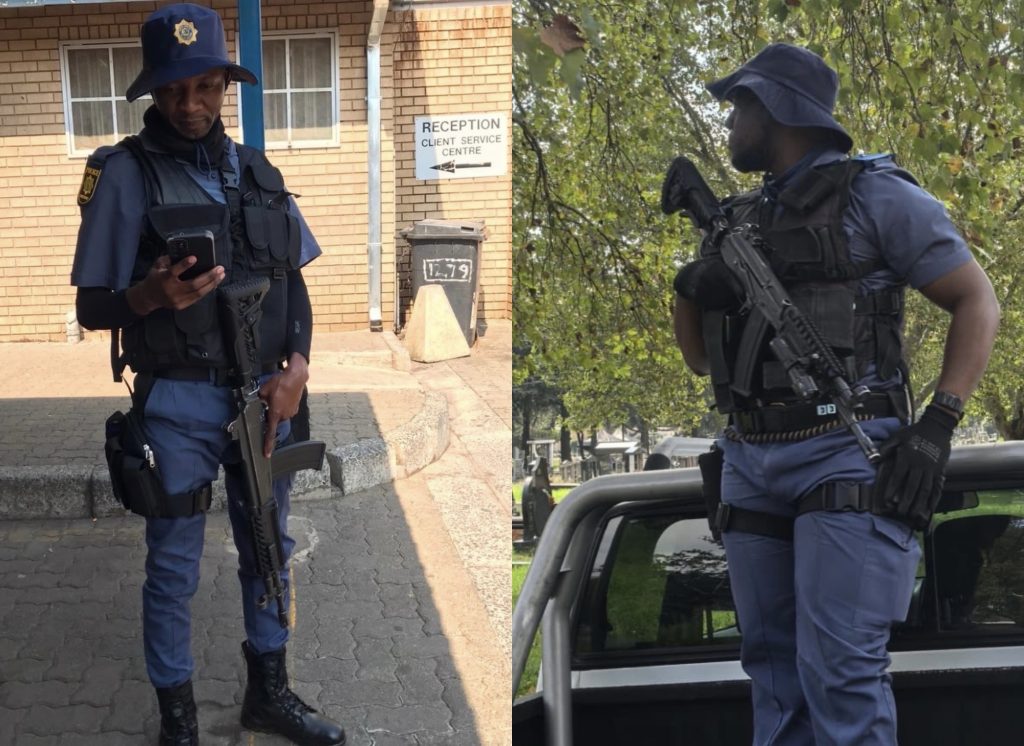
Two members of the South African Police Service (SAPS) Anti-Gang Unit and two civilian women were shot dead in Reiger Park, Boksburg, in Ekurhuleni, on Friday evening, 7 August 2026.
The incident occurred at approximately 19:30. The two constables formed part of a crime prevention team conducting patrols in the area. Officers heard gunshots and drove towards the source of the firing. Preliminary reports indicate they were then ambushed by unknown gunmen.
A Volkswagen Polo had come under fire in the area. Gauteng Premier Panyaza Lesufi, who visited the scene with provincial police commissioner Lieutenant General Tommy Mthombeni, stated that two women in the vehicle were also killed. One of the women has been identified as 31-year-old Roleen (also referred to as Rolene) Lessing. The second civilian victim was identified as Jaydin Margerman, aged 21, described as a passenger and close friend of Lessing.
The police vehicle involved in the response reportedly crashed into a wall near a school after the officers came under fire. Community members reported hearing sustained gunfire. The scene was secured by police, with blood visible in the immediate area according to reports from the location.
Lieutenant General Mthombeni confirmed that the two officers were young constables attached to the Anti-Gang Unit. He stated that officers had been deployed to the area from around 18:00, with multiple vehicles present to support community safety in what police described as a gang-affected locality. Specialist resources were immediately mobilised, including Crime Intelligence, the Tracking Team, Crime Scene Management, and the Directorate for Priority Crime Investigation (the Hawks). The case was referred to the Hawks for investigation as it involves the killing of police officers.
Premier Lesufi described the scene as distressing and stated: “If you attack the police, you attack the State, it’s a declaration of war.” He expressed confidence that police would work to arrest those responsible and extended condolences to the families of the deceased.
Acting National Commissioner of SAPS, Lieutenant General Puleng Dimpane, appealed directly to residents of Reiger Park and surrounding areas for assistance. She stated that someone in the community likely witnessed the attack or knows the identities and whereabouts of the perpetrators, and urged residents not to shield those involved. No arrests had been reported in the immediate aftermath.
On Sunday, 9 August 2026, Acting Minister of Police Firoz Cachalia, Premier Lesufi, Acting National Commissioner Dimpane, and Lieutenant General Mthombeni were scheduled to visit the scene. Government statements condemned the killings and affirmed that resources had been deployed to apprehend those responsible. Ekurhuleni Executive Mayor Nkosindiphile Xhakaza visited affected families and indicated that metro police resources would be mobilised to support efforts against drugs and gangsterism pending a full police report.
Family members of Lessing described her as a generous, jovial person dedicated to her family. She had lost her parents at a young age and was characterised as an amazing mother who was supportive and outspoken. At the time of the incident, she had been attending a close friend’s father’s funeral. Relatives noted the community’s long-standing exposure to violence and expressed that the loss had left them struggling for words.
Reiger Park has experienced repeated incidents of gun violence linked to gang activity and drugs in recent years. Police and provincial authorities have previously conducted operations and community engagements in the area aimed at addressing these issues. The latest killings have prompted renewed calls from police leadership for community cooperation in providing information to investigators.
As of the latest available reports, the identities of the two constables had not been publicly released by SAPS, and the investigation remained active with specialised units deployed. Anyone with information is urged to contact police.
WATCH: Parklands High principal confronts scholar transport drivers after alleged alcohol incident with learners in Alberton
On 6 August 2026, just before midday during school hours, members of the Greater Alberton Education Transport Co-operative Limited (GAETCOI) confronted scholar transport drivers and a group of schoolgirls in an open parking area used by scholar transport vehicles. The location is situated between the Alberton Civic Centre and Ring Road East in Alberton.
GAETCOI members found three adult males sitting in a minibus taxi with about 10 schoolgirls. One of the girls was wearing civilian clothing while the others were in school uniform. The association’s members observed the group allegedly drinking alcohol inside the vehicle. Alberton SAPS and Ekurhuleni Metropolitan Police Department (EMPD) officers were called to the scene. The driver of the vehicle had just left it when authorities arrived.
Fikile Mogashoa of GAETCOI stated that the association found schoolgirls inside the transport vehicle drinking alcohol during school hours. He said it is the association’s responsibility to ensure learner safety from the time a child leaves home until they return. Mogashoa indicated that the group decided to call the police and the principal of the affected school. He added that if similar behaviour is observed involving drivers and learners from other schools in Alberton, the association will address those cases as well.
The learners involved are understood to be from Parklands High School. Parklands High principal Robert Brown attended the scene. He was visibly upset and confronted the scholar transport drivers while they were detained in a police vehicle. Brown repeatedly shouted questions at them, including: “You’re trying to impress 14-year-olds, for what? Why are you in the car with 14-year-olds?!”
During a search of the vehicle, officers discovered a crate of beer, a five-litre container of wine, and plastic cups. The vehicle’s owner was summoned to the scene. The driver and the learners were taken to the Alberton Police Station. An officer collected contact details of the learners’ parents.
Parklands High principal confronts transport drivers after being caught drinking during school hours with school girls as young as 14 in Alberton. pic.twitter.com/3kd8kGYCpZ
— PrimeTime News (@PrimeTimeNewsZA) August 9, 2026
Video footage of the confrontation between principal Robert Brown and the detained drivers circulated online shortly after the incident. No further official statements regarding charges, outcomes of any investigation, or subsequent actions by the school, police, or transport authorities were detailed in initial reports of the event.
- 34-YEAR-OLD MAN BEATEN BY COMMUNITY AFTER ALLEGEDLY STEALING UNDERWEAR FROM WASHING LINE IN KZN
- TENSIONS REMAIN HIGH AT SOUTH AFRICAN VOTING STATIONS AS POLITICAL PARTY RIVALRIES RAISE CONCERNS
- VIDEO RAISES QUESTIONS OVER ELECTION MATERIALS AS SOUTH AFRICA FACES SCRUTINY OVER ELECTORAL INTEGRITY
- Grade 7 Learner Dies After Rolling Down Hill at Emerald Resort in Vanderbijlpark
- Suspect Arrested Following Attempted Robbery in Fisantekraal