Cocaine Seizure in Northriding Worth R300m Shakes Up Drug Trade
4 min read

Welcome back! Log in to keep reading without ads.

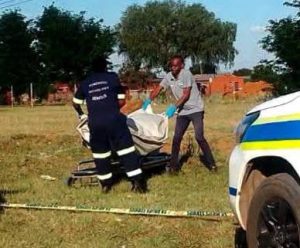
On the evening of 12 September 2026, detectives from the Honeydew precinct of the South African Police Service (SAPS) executed a precision raid in the suburb of Northriding, Johannesburg. Acting on freshly gathered intelligence, officers uncovered a substantial quantity of suspected cocaine whose street value is estimated at R300 million, marking one of the most significant drug busts in the region this year.
How the operation unfolded
At around 20:30, a team of specially trained SAPS officers arrived at a discreet plot that had been flagged by an anonymous tipster. The information, which detailed unusual activity consistent with large‑scale drug handling, was quickly validated through surveillance and cross‑checked with national crime databases. Within minutes, the team secured the site and began the systematic search.
The sweep yielded several kilograms of white powder, identified by on‑site forensic officers as a high‑purity form of cocaine. While laboratory confirmation is pending, preliminary tests align with the street‑value estimate of R300 million, a figure that reflects both the volume recovered and prevailing market prices in Gauteng.
Vehicle tampering and the hunt for suspects
Alongside the narcotics, officers seized a black Toyota Land Cruiser that displayed a falsified registration number. Further inspection revealed that the Vehicle Identification Number (VIN) had been altered, a common tactic used by traffickers to obscure the vehicle’s origin and evade detection. The vehicle is now being examined by the National Forensic Investigation Service (NFIS) for additional forensic leads, such as DNA traces or hidden compartments.
Despite the magnitude of the seizure, no arrests were made during the initial raid. Detectives are continuing to piece together the network behind the operation, employing digital forensics, financial tracking, and liaison with the National Prosecuting Authority to identify and prosecute the individuals responsible.
Why this bust matters for South Africa
South Africa sits on a key corridor for cocaine moving from South America to markets in Europe and the Middle East. The country’s extensive coastline and well‑developed transport infrastructure make it an attractive transshipment point. In recent years, the volume of cocaine entering the country has risen sharply; the United Nations Office on Drugs and Crime (UNODC) reported a 35 % increase in cocaine seizures across Southern Africa between 2022 and 2025.
The Northriding seizure therefore carries weight beyond the immediate monetary value. By removing a large supply from the streets, the operation potentially disrupts downstream distribution networks, reduces the availability of the drug in local townships, and sends a clear signal to organized crime groups that intelligence‑driven policing is intensifying.
Community involvement and reporting tools
SAPS emphasises that public cooperation remains a cornerstone of successful drug enforcement. Citizens are encouraged to use the national CrimeStop hotline (08600 10111) or submit anonymous tips via the MySAPSApp, a mobile platform that allows users to upload photos, videos, and location data securely. Since its launch in 2022, the app has contributed to over 1 500 investigations nationwide, demonstrating the power of crowdsourced intelligence.
Neighbourhood watch groups in Gauteng have also been briefed on recognising signs of drug activity, such as frequent deliveries of unmarked vehicles, unusual odors, or the presence of “look‑outs.” By fostering a partnership between police and residents, authorities hope to create a deterrent effect that makes it harder for traffickers to operate undetected.
Looking ahead: sustained intelligence operations
Chief Superintendent Thabo Mokoena of Honeydew precinct confirmed that the department will maintain a high tempo of intelligence‑led raids throughout the coming months. “Our strategy is to stay one step ahead of criminal syndicates by leveraging technology, inter‑agency collaboration, and community insights,” he said in a press briefing.
In addition to local efforts, SAPS is coordinating with the South African Revenue Service’s Customs and Excise division, the Directorate for Priority Crime Investigation (DPCI), and international partners such as the U.S. Drug Enforcement Administration (DEA) to trace the supply chain back to its source.
While the Northriding operation marks a major victory, officials caution that the drug trade is adaptable. Continued vigilance, robust forensic capacity, and sustained public engagement will be essential to ensure that seized quantities translate into long‑term reductions in cocaine availability and related crime.
For anyone who observes suspicious activity, the message is clear: report it promptly. The combined force of law enforcement expertise and community vigilance offers the best chance of keeping drugs off the streets and safeguarding South Africa’s neighborhoods.