Man Found Dead After Alleged Cable Theft Incident Near Sharpeville
10 min read

Welcome back! Log in to keep reading without ads.
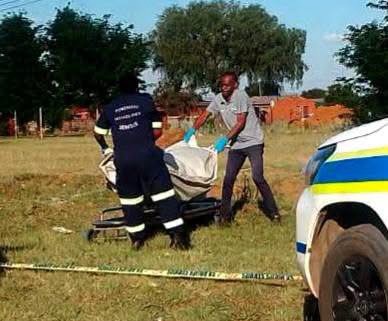
A man was found dead on Friday afternoon, 30 October 2026, following an incident involving alleged cable theft near Sharpeville in Gauteng.
The man is believed to have been electrocuted while allegedly attempting to steal electrical cables.
The exact circumstances surrounding the incident have not yet been established, and the man’s identity has not been released.
Cable theft remains a serious concern in South Africa, with criminals targeting electrical infrastructure for its scrap-metal value. The theft of electrical cables can expose individuals to dangerous live electrical currents, creating a significant risk of electrocution.
Apart from the immediate danger to those involved, the theft of electrical infrastructure can also disrupt electricity supply, damage public infrastructure and leave communities without essential services.
Further details surrounding the incident, including whether police have opened an inquest and the circumstances leading to the man’s death, have not yet been confirmed.
OTHER NEWS
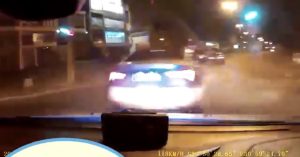
WATCH: High-Speed Police and Security Chases: The Precautions Needed to Protect Innocent Civilians on South African Roads
High-speed vehicle pursuits involving police officers and private security companies can create serious risks for motorists, pedestrians, passengers and other members of the public. While apprehending criminals and recovering stolen vehicles are important law-enforcement objectives, the safety of innocent road users must also be considered whenever a suspect is being pursued.
When suspects refuse to stop and attempt to escape, the situation can quickly become dangerous. Vehicles may travel at excessive speeds, drive through red traffic lights, overtake other motorists recklessly, travel on the wrong side of the road and ignore pedestrian crossings.
The danger is not limited to the suspects or the officers involved in the pursuit. Innocent motorists, pedestrians, cyclists and passengers who have no involvement in the incident can become victims of a collision.
For this reason, police services and private security companies need to ensure that vehicle pursuits are conducted with proper consideration of public safety, the seriousness of the suspected offence and the risks created by the circumstances.
Assessing the Risk Before Continuing a Pursuit
One of the most important considerations during a vehicle pursuit is the nature of the offence being investigated.
A pursuit involving a suspect believed to be responsible for a violent armed robbery, murder or another serious offence presents different circumstances from a pursuit involving a suspected minor offence or a vehicle-related violation.
Officers should consider the seriousness of the suspected crime, whether the suspect poses an immediate threat to the public, the likelihood of the suspect being identified and arrested later, and the dangers associated with continuing the pursuit.
A suspect refusing to stop does not automatically mean that continuing a high-speed pursuit is the safest available option.
The risks must be assessed throughout the incident because road conditions, traffic volumes and the suspect’s driving behaviour can change within seconds.
Monitoring Speed and Road Conditions
Excessive speed significantly reduces the time available for a driver to react to unexpected hazards.
During a pursuit, officers must consider factors such as:
- The speed of the pursuing vehicle and the suspect’s vehicle.
- The condition of the road surface.
- Visibility and weather conditions.
- The presence of pedestrians and cyclists.
- Traffic congestion and the number of other vehicles on the road.
- Intersections, traffic lights and pedestrian crossings.
- Residential areas, schools and other locations where pedestrians are likely to be present.
Particular caution is necessary in densely populated areas, where children, pedestrians and motorists may unexpectedly enter the roadway.
A pursuit that begins on an open road can become significantly more dangerous when it enters a residential neighbourhood or a busy commercial area.
Communication Between Officers and Control Rooms
Communication is an important part of managing vehicle pursuits.
Police officers and security response teams should maintain communication with their respective control rooms throughout an incident.
Information that should be communicated includes the location of the pursuit, direction of travel, vehicle description, registration number where available, speed, road conditions and any immediate dangers to the public.
This information allows supervisors and other responding units to understand what is happening and make informed operational decisions.
Where possible, officers should also communicate changes in the suspect’s driving behaviour, particularly when the suspect begins driving recklessly or entering areas with significant pedestrian activity.
Clear communication can help prevent unnecessary vehicles from joining a pursuit and creating additional risks on the road.
When a Pursuit Should Be Discontinued
There are circumstances in which the danger created by continuing a pursuit may become greater than the immediate benefit of apprehending the suspect.
For example, if a suspect is driving at extremely high speeds through a busy residential area, ignoring traffic lights and narrowly avoiding pedestrians, the risks to innocent members of the public become particularly serious.
Police services and private security companies should have clear operational procedures addressing when pursuits must be reassessed, discontinued or transferred to alternative methods of apprehension.
Discontinuing a dangerous pursuit does not necessarily mean abandoning an investigation.
Other options may include:
- Recording the vehicle’s registration number and description.
- Communicating the suspect’s direction of travel to other law-enforcement units.
- Using available CCTV footage to identify the vehicle and occupants.
- Sharing relevant information with SAPS.
- Conducting follow-up investigations to locate and arrest suspects.
- Using available surveillance and vehicle-tracking information where lawfully obtained.
The objective is to apprehend suspects without unnecessarily exposing uninvolved members of the public to danger.
The Responsibilities and Legal Limitations of Private Security Companies
Private security companies play an important role in crime prevention, armed response, vehicle recovery and assisting communities.
However, private security officers do not have the same general law-enforcement powers as members of SAPS.
Private security officers may exercise certain arrest powers under the Criminal Procedure Act, including provisions governing arrests by private persons. However, these powers do not automatically give private security vehicles the same emergency-road privileges as authorised emergency vehicles.
The National Road Traffic Act provides specific exemptions for certain emergency and official vehicles, subject to applicable requirements.
Private security vehicle lights primarily serve identification purposes and do not automatically grant emergency status or the right of way.
Private security companies therefore need to ensure that their personnel understand the limits of their authority and do not mistake the ability to pursue or arrest a suspect for unrestricted authority to conduct dangerous driving operations.
Training for High-Speed Driving
Personnel expected to respond to criminal incidents using vehicles should receive appropriate driver training.
This includes training in vehicle control, emergency braking, hazard identification, maintaining safe following distances and responding to unexpected road conditions.
Drivers should understand how vehicle handling changes at higher speeds and how quickly stopping distances increase.
Training should also address decision-making under pressure, particularly when suspects deliberately drive recklessly to evade arrest.
Companies should ensure that personnel operating response vehicles are properly licensed, competent and familiar with the vehicles they use.
Regular vehicle inspections are also important. Brakes, tyres, steering systems, lights and other safety components must be maintained in suitable working condition.
Avoiding Dangerous Manoeuvres
Certain driving manoeuvres can create significant dangers during a pursuit.
These include:
- Driving into oncoming traffic.
- Overtaking multiple vehicles at excessive speeds.
- Following another vehicle too closely.
- Entering intersections without checking for approaching traffic.
- Driving on pavements or pedestrian walkways.
- Attempting dangerous manoeuvres to force a suspect’s vehicle off the road.
- Using vehicles to deliberately collide with suspects without lawful justification.
Any intervention intended to stop a fleeing vehicle must be assessed according to the circumstances, applicable law and the potential consequences for other road users.
Section 49 of the Criminal Procedure Act regulates the use of force when effecting an arrest. It requires force to be reasonably necessary and proportional in the circumstances. Deadly force is permitted only under specific circumstances involving a threat of serious violence or a serious bodily-harm offence where there are no other reasonable means of effecting the arrest.
Protecting Pedestrians and Other Motorists
Pedestrians and ordinary motorists are among the people most exposed to danger when high-speed pursuits take place in populated areas.
They generally have no information about the reason for the pursuit and may not realise that a speeding vehicle is being followed by police or security personnel.
Officers must therefore consider the possibility of pedestrians crossing roads, motorists turning into intersections and vehicles entering or exiting driveways.
Particular attention should be given to school zones, shopping centres, taxi ranks, public transport routes and busy pedestrian crossings.
The fact that a suspect is attempting to escape does not remove the need to consider the safety of people who are completely unrelated to the incident.
Supervisory Oversight and Accountability
Police services and private security companies should have procedures governing how vehicle pursuits are authorised, monitored and reviewed.
Where operational circumstances permit, supervisors should be informed when a pursuit begins and receive regular updates.
Companies should also ensure that incidents involving dangerous driving, collisions, injuries or damage to property are properly documented.
Relevant evidence may include:
- Vehicle dashboard camera footage.
- Security vehicle camera recordings.
- CCTV footage from surrounding properties.
- Radio communication recordings.
- GPS and vehicle-tracking information.
- Statements from officers, security personnel and witnesses.
This information can assist with determining how an incident unfolded, whether operational procedures were followed and whether further investigation or disciplinary action is necessary.
What Happens When a Pursuit Ends in a Collision?
When a vehicle pursuit results in a collision, the immediate priority must be the safety of everyone involved.
Drivers involved in road accidents are subject to the duties prescribed by the National Road Traffic Act, including stopping, determining whether anyone has been injured and rendering assistance where required.
Emergency medical services should be contacted where people are injured, and the accident scene should be managed to prevent further collisions.
Where an officer or security vehicle is involved, the circumstances surrounding the pursuit and collision may also need to be investigated.
The fact that a vehicle was being used in the course of official or security duties does not automatically remove responsibility for the manner in which it was driven.
Conclusion
The responsibility of police services and private security companies extends beyond identifying and apprehending suspects. Their operations must also take into account the safety of innocent people who share South Africa’s roads.
High-speed pursuits can create dangerous situations, particularly when suspects drive recklessly through busy roads and residential areas.
Proper training, communication, operational supervision, continuous risk assessment and appropriate decisions about when to discontinue a pursuit are important measures in reducing the danger.
Criminal suspects must be held accountable for their actions, but innocent motorists, pedestrians, passengers and other road users should not be unnecessarily exposed to life-threatening situations during attempts to apprehend them.
High speed chase ends in devastating collision as security ploughs into another vehicle https://t.co/hHvKioMlbC
— PrimeTime News (@PrimeTimeNewsZA) October 30, 2026
The successful apprehension of a suspect should never be measured without considering the safety of the public and the consequences of the operation.
- Man Found Dead After Alleged Cable Theft Incident Near Sharpeville
- High-Speed Police and Security Chases: The Precautions Needed to Protect Innocent Civilians on South African Roads
- Donovan Marx Undergoes Surgery After Brutal North West Farm Attack as Family Shares Condition Update

- North Korea-Linked Hackers Suspected of Stealing $6.3 Billion in Record Binance Cyberattack

- Four Suspects Arrested After Three Firearms and 159 Rounds of Ammunition Recovered in Muden