
Cable Theft in South Africa: Power Outages Disrupt Communities as Thieves Die on Live High-Voltage Lines
6 min read

Welcome back! Log in to keep reading without ads.
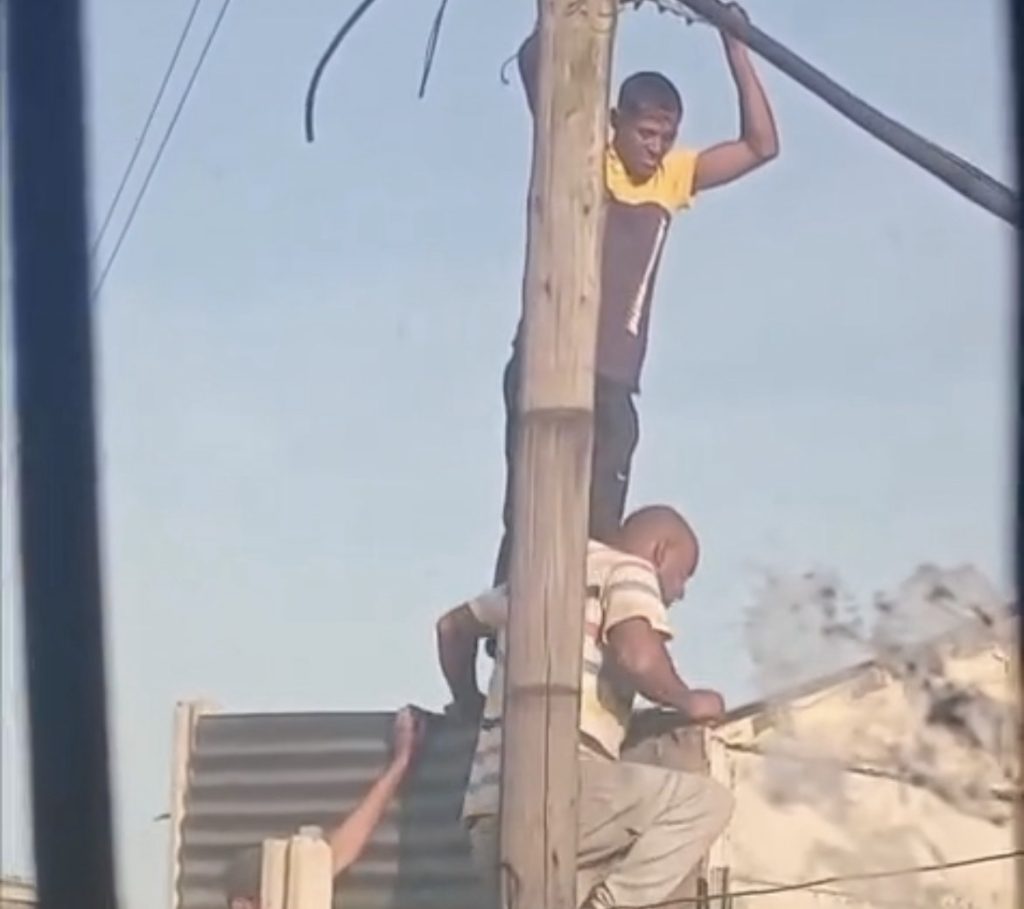
Cable theft, particularly of copper cables from electricity, rail, and telecommunications networks, remains a persistent challenge across South Africa. Official reports and industry data document thousands of incidents annually, with direct financial losses to state-owned entities in the billions of rand and broader economic effects estimated far higher. The crime targets high-value copper due to its conductivity and scrap value, affecting Eskom power lines, Transnet and PRASA railway signalling and overhead cables, municipal networks such as City Power in Johannesburg, and telecommunications infrastructure belonging to operators including Telkom.
More than 20,000 cases of cable theft are recorded nationwide each year, according to figures cited by AfriForum and other analyses. High-incidence provinces include Gauteng, KwaZulu-Natal, the Western Cape, and Mpumalanga. Infrastructure near informal settlements is frequently targeted. Eskom has reported annual losses from copper cable theft, overhead lines, conductors, and related copper between R5 billion and R7 billion, plus approximately R2 billion spent on replacements. Transnet recorded more than R1.6 billion in losses due to cable theft in 2022, with 1,121 kilometres of cable stolen in the 2023 financial year—an almost eight-fold increase over five years. From March 2019 to the end of October 2023, more than 4,600 kilometres of copper cables were stolen from Transnet. Combined direct losses to entities including Eskom, Transnet, PRASA, and Telkom have been placed at approximately R7 billion annually in some assessments. Independent research commissioned by the Department of Trade, Industry and Competition estimated the annual economic damage from copper theft alone at more than R45 billion. Broader estimates of overall economic impact, including indirect costs, range between R7 billion and R10 billion or higher in certain reports, with one older assessment citing associated losses around R187 billion.
These thefts produce extended power outages that affect households, businesses, hospitals, schools, and essential services. City Power in Johannesburg documented 1,105 incidents of cable theft and vandalism in 2025, with additional clusters of hundreds of incidents in subsequent periods that exceeded repair capacity and left communities without electricity for extended times. Power spikes and surges from cable theft have damaged household appliances including fridges, freezers, televisions, and washing machines; one residential complex in Centurion reported combined losses exceeding R1 million from a surge linked to the theft of cables valued at roughly R10,000. Farmers have reported impacts on irrigation systems, cold storage, processing facilities, and security systems, with crop yields affected and safety risks elevated when power is absent. Rail services experience paralysis or severe reductions: portions of Transnet’s network have been described as largely inoperable due to cable theft and vandalism, contributing to freight volumes falling to levels last seen in earlier historical periods and forcing greater reliance on road transport for commodities such as coal. Telecommunications networks face disruptions from stolen copper and related equipment, with mobile operators reporting hundreds of millions of rand spent on repairs to vandalised sites and stolen batteries.
The burning of cable insulation to extract copper contributes to air pollution. Illegal connections and infrastructure damage linked to theft have also been associated with transformer failures; Eskom reported 771 such failures tied to vandalism and illegal connections in the first nine months of 2025, a 20 percent increase over the prior year. In some documented cases, hospitals have scaled back operations when copper components critical to systems such as oxygen piping were affected. Security systems and traffic signals can fail during outages, and businesses in manufacturing, automotive, food processing, and other sectors report productivity losses from interrupted power.
Cable theft also carries direct lethal risks for those who attempt it, because many of the targeted cables and substations carry high-voltage live current. City Power recorded 24 deaths due to electrocution over a two-year period linked to people tampering with its infrastructure to steal parts or make illegal connections. Multiple recent incidents illustrate the pattern. In Cullinan in July 2025, municipal electricity teams investigating a power outage found the body of a man aged approximately 30 to 40 inside a mini-substation; he had been fatally electrocuted while cutting live cables. In Eldorado Park, two suspects sustained severe burns from electrocution while attempting to steal cables, and separate operations there resulted in further arrests after additional electrocutions. In Bloemfontein’s Bayswater area, a man was found dead with extensive burn wounds after attempting to cut cables from a high-voltage power line. In another Bloemfontein incident, three suspects suffered electrocution while targeting cables; one later died and others required treatment for severe burns. In Isipingo, two alleged cable thieves died from burns after tampering with a power box, causing a local blackout. In Roodepoort, a suspected thief cut an 11 kV cable in two places before being electrocuted, leaving multiple suburbs without power. Additional fatal electrocutions of suspected thieves have been reported in Randburg, Polokwane near a scrap facility, Phase 6 in Mangaung, and other locations, often discovered when crews responded to resulting outages. Mini-substations and similar infrastructure carry currents capable of causing instantaneous fatal injury. Authorities, including Tshwane Electricity Department statements, have noted that such facilities pose extreme danger and that attempted theft endangers municipal workers responding to the damage as well as the broader public through prolonged outages.
Organised elements are frequently involved. Syndicates coordinate thefts, sometimes using vehicles, equipment, and encrypted communications, and may collaborate with scrap dealers. Copper is sold locally or internationally. In some cases, security personnel protecting infrastructure have been killed or injured during incidents. Courts have imposed lengthy sentences under legislation treating essential infrastructure crimes seriously, including minimum terms of 15 years and, in one Cape Town High Court matter involving multiple counts, a cumulative 1,250 years for five individuals. Eskom and municipalities have urged reporting of theft and noted efforts to replace stolen copper with alternative materials of lower scrap value where feasible, though standards and conductivity considerations affect full rollout.
Thugs caught stealing power cables in broad daylight pic.twitter.com/KR9dYaYygL
— PrimeTime News (@PrimeTimeNewsZA) August 27, 2026
The documented pattern shows that cable theft removes critical conductors from live high-voltage systems, producing both immediate lethal consequences for perpetrators who contact the current and cascading service failures for residents, businesses, healthcare facilities, transport networks, and agricultural operations that depend on reliable electricity and signalling. Data from Eskom, Transnet, City Power, AfriForum, the Global Initiative Against Transnational Organized Crime, National Treasury assessments, and police reports confirm the scale of the infrastructure losses, the frequency of outages, the appliance and operational damage to end-users, and the repeated fatal electrocutions of individuals engaged in the theft of live cables.
- TENSIONS REMAIN HIGH AT SOUTH AFRICAN VOTING STATIONS AS POLITICAL PARTY RIVALRIES RAISE CONCERNS

- VIDEO RAISES QUESTIONS OVER ELECTION MATERIALS AS SOUTH AFRICA FACES SCRUTINY OVER ELECTORAL INTEGRITY

- Grade 7 Learner Dies After Rolling Down Hill at Emerald Resort in Vanderbijlpark

- Suspect Arrested Following Attempted Robbery in Fisantekraal

- WATCH: Uber Driver Shot and Allegedly Tortured After Female Passenger Asks Him to Wait in Daveyton