

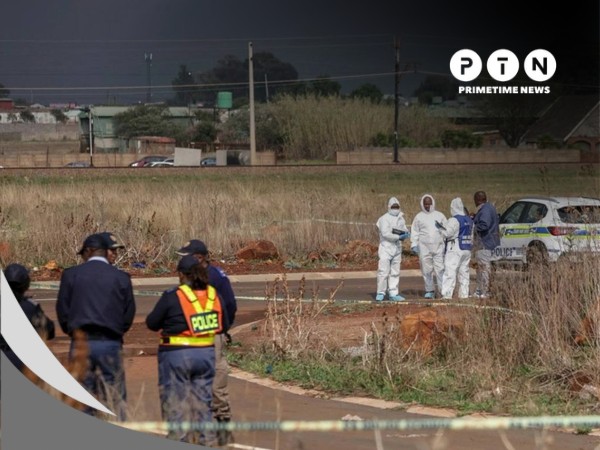
On the night of 26 September, the body of Ntombifuthu Nxamalo was discovered in the Vusimusi Section of Mooifontein Cemetery, Tembisa. The grisly scene – a naked woman with severe head injuries and stones scattered around her – sparked an urgent investigation by Gauteng police. Within hours, the Tembisa cemetery murder suspect was located in the remote village of Mohlabaneng, Limpopo, and taken into custody. The rapid response highlights both the challenges and the evolving capabilities of South African law‑enforcement agencies.
Discovery of the Body and Initial Forensic Findings
Residents near the cemetery reported hearing a woman’s anguished cries around 11:00 pm on the evening of the murder. When officers arrived, they found Nxamalo’s lifeless body lying naked among a pile of stones. Forensic experts noted extensive blunt‑force trauma to the head, suggesting a violent assault, but no knife wounds were visible. The presence of stones raised the possibility of a stoning, a rare but particularly brutal form of attack in the region.
Police Response: A Multidisciplinary Approach
The investigation was spearheaded by a multidisciplinary team comprising Crime Intelligence officers from the Ekurhuleni District, detectives from the Tembisa South precinct, and specialists from the SAPS Head Office Investigations Psychology Services (IPS). Lieutenant General Puleng Dimpane, Acting National Commissioner of SAPS, praised the team’s “swift response, coordination and determination,” noting that such efficiency is essential in tackling the rise of gender‑based violence and femicide across South Africa.
According to the official police statement, investigators quickly traced the suspect’s movements after reviewing CCTV footage from a local tavern where Nxamalo had been drinking with a friend. The footage showed her leaving the venue with an unidentified male, after which the suspect fled the area.
Tracking the Suspect to Limpopo
Witnesses near the cemetery reported hearing the victim’s desperate pleas, which gave detectives a narrow time window to work with. By cross‑referencing mobile phone data and interviewing tavern staff, police pinpointed a possible address in Tembisa. Further inquiries revealed that the man had already travelled to Limpopo, prompting the team to coordinate with SAPS Bolobedu.
In Mohlabaneng Village, the suspect was found asleep in his room. Officers executed a discreet arrest, ensuring there was no risk of a violent confrontation. The suspect is now being held pending charges of murder, and investigators continue to gather forensic evidence to solidify the case.
Broader Context: Gender‑Based Violence in South Africa
The murder of Ntombifuthu Nxamalo is a stark reminder of the persistent epidemic of gender‑based violence (GBV) in South Africa. According to recent statistics from the South African Police Service, GBV cases have risen by over 15 % in the past three years, with femicide accounting for a significant portion of homicides against women. The swift apprehension of the Tembisa cemetery murder suspect demonstrates a growing commitment by law‑enforcement to address these crimes, but systemic challenges remain.
Community organisations have called for more resources to be allocated to victim support services, improved forensic capabilities, and stronger legal frameworks that deter perpetrators. The police’s emphasis on multidisciplinary teams, which combine investigative, psychological, and intelligence expertise, is being hailed as a best‑practice model that could be replicated in other provinces.
What Comes Next? Legal Proceedings and Community Healing
With the suspect now in custody, the next phase will involve formal charging and a court trial. The prosecution will rely heavily on the forensic evidence collected at the cemetery, the suspect’s digital footprints, and testimonies from witnesses who heard the victim’s screams. If convicted, the suspect could face life imprisonment, reflecting the seriousness with which South African law treats murder and GBV.
Meanwhile, the Tembisa community mourns the loss of Nxamalo, a mother and sister whose life was cut short in a place meant for remembrance. Local leaders have called for a memorial service at the cemetery and for increased security patrols to prevent similar tragedies.
In a related development, the province of KwaZulu‑Natal recently grappled with a devastating road tragedy that claimed 11 lives, underscoring the broader public safety challenges facing the nation. For more on that incident, read about the KZN N2 collision that claimed 11 lives.
Police continue to urge anyone with additional information about the murder to come forward, emphasizing that community cooperation is vital for delivering justice and deterring future acts of violence.